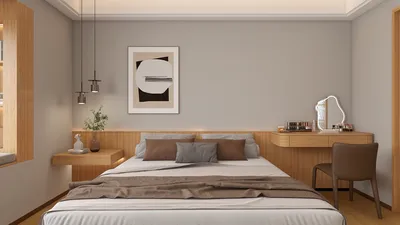


When it comes to hotel room furniture design, I focus on achieving a harmonious blend of guest psychology, operational needs, and classic aesthetics. Today's travelers seek comfort, intuitive functionality, and a unique ambiance; meanwhile, operators prioritize durability, ease of maintenance, and quick room turnover. The most successful room designs cater to all these demands while avoiding visual distractions.
Understanding Guest Behavior and Comfort Metrics
Comfort transcends mere sensation; it encompasses a range of quantifiable conditions. According to WELL v2 guidelines, it's essential to maintain ambient light levels of 100–300 lux for general areas, while task lighting should reach 300–500 lux to minimize eye strain, simultaneously promoting warmer color temperatures in the evening to align with circadian rhythms. Research from Steelcase suggests that thoughtfully designed workspaces can enhance perceived productivity and lessen cognitive strain; in hotel rooms, well-illuminated desks or versatile tables significantly boost satisfaction for business travelers. Additionally, findings from Herman Miller indicate that aspects like seat depth and lumbar support are crucial for good posture and reducing fatigue during work periods. These insights inform the selection of furniture heights, task chairs, and layered lighting.
Setting Data-Driven Standards for Contemporary Hotel Rooms
Throughout various hotel brands, I establish baseline targets that align with subconscious cues guests notice: minimizing glare through adjustable and shielded fixtures (in line with IES glare control standards), providing task chairs with adjustable heights and lumbar support (based on Herman Miller ergonomics), and utilizing warm dim bedside lighting (per WELL v2's circadian cues). A practical instance would be a bedside reading sconce delivering 650–1000 lumens at a color temperature of 2700–3000K, cultivating a relaxing environment while ensuring clear visibility. Research by Verywell Mind demonstrates that colors like soft greens and muted blues promote tranquility, whereas warm neutrals enhance the sense of welcome—ideal palettes that complement the tactile quality of fabrics and matte finishes, reducing visual fatigue.
Trusted References for Comfort and Lighting
For benchmarks on lighting and human comfort, I refer to the Light and Comfort features within WELL v2 and Herman Miller's studies on seating ergonomics, which underpin my decisions with solid evidence. For a more in-depth understanding, resources from WELL v2 and Herman Miller can provide further insights.
Achieving Balanced Room Proportions
A visually calming atmosphere relies on well-balanced proportions. In queen or king rooms, the bed should ideally anchor one wall; the headboard width should be scaled to 105–115% of the mattress width to keep the bed grounded visually without overwhelming the wall. Nightstands ought to be positioned 2–4 inches lower than the mattress height to facilitate easy access and protect wrist posture. A work table measuring 24–30 inches in depth and 48–60 inches in width is ideal for laptops and light dining, ensuring at least 26 inches of leg clearance. When designing suites or compact spaces, I simulate circulation paths and sightlines prior to finalizing the layout—an interior layout planner can verify adjacent spaces, folding table arcs, and areas for suitcases.
Functional Furniture for Maximum Utility
Every piece of furniture must earn its place within the room. In limited spaces, a console that easily converts into a dining or work table with a slim flip top eliminates the need for an extra desk. Storage ottoman benches help keep suitcases off the floor, while wall-mounted media panels with integrated cable management reduce bulk and prevent cord clutter. I favor upholstered lounge chairs made with non-directional fabrics to avoid wear patterns; chairs should have a seat height of 17–19 inches for comfort across dimensions, with arms set at 24–26 inches to aid in getting up without stressing joints.
Designing for Ergonomics: Chairs, Desks, and Accessibility
To establish ergonomic comfort, the focus starts with proper posture. Task chairs must offer height adjustability (typically between 16–21 inches), lumbar contouring, and comfortable armrests. Desk heights of 28–29 inches suit the majority of guests; create under-table clearance for knees, and ensure discreet cable routing to avoid tangling. For nightstand placement, position it 4–6 inches from the mattress edge, with a height between 24–26 inches, and ensure access to power or USB ports that are easily reachable, avoiding hidden locations behind the bed. Switches should be positioned for ease of use without twisting the body; it's essential to shield lighting from glare when lying down.
Creating Lighting Layers: Ambient, Task, and Accent
Layered lighting plays a crucial role in shaping mood and function. Employ ambient ceiling or cove lighting at 200–300 lux, task lights shining at 300–500 lux, and accent lighting to showcase texture (like wood grain or stone styles). Aim for a correlated color temperature of around 2700–3000K in the evening and up to 3500K during daytime tasks. Steer clear from direct visibility of LED diodes; instead, use diffusers or prismatic lenses that adhere to IES glare guidance. Bedside lighting with local dimmers supports healthy sleep patterns; adding an automatic low-level night light can assist navigation without disturbing the guest.
The Impact of Color Psychology and Materials
Color significantly influences perceptions of cleanliness and relaxation. Soft, desaturated greens and blues are linked to lowered stress levels, while warm taupe and sandy neutrals enhance the welcoming atmosphere of hospitality. Opt for matte finishes to minimize reflections and select open-pore woods for added tactile quality. For high-traffic areas, prioritize performance textiles with abrasion ratings above 50,000 double rubs, opting for stain-resistant treatments and removable cushion covers where possible. To uphold sustainability standards, choose low-VOC finishes and FSC-certified woods whenever feasible; durable materials help cut lifecycle costs and minimize waste.
Enhancing Acoustic Comfort for a Luxurious Experience
A thoughtfully designed room helps mitigate noise. Upholstered headboards and heavier drapes enhance sound absorption; rugs treated with an underlay diminish footstep noise. Ensure case goods are separated from the wall using soft bumpers to prevent vibrations. For connecting rooms, seal door thresholds and consider installing acoustic panels that can blend with artwork. Quiet drawer slides and soft-close hinges contribute to a peaceful environment, minimizing disturbances from noise during late hours.
Strategies for Storage and Minimizing Clutter
To enhance the feeling of luxury, it's vital to manage clutter effectively. Incorporate a luggage bench that can bear 50–75 lbs with a wipeable, slip-resistant surface. Introduce concealed drop zones near the entrance for easy storage of keys and wallets. Provide a wardrobe that combines 40–50 inches of hanging height with at least one shelf curated for carry-on travel bags. Ensure drawer interiors are light to improve visibility and avoid excessively deep drawers which could create mess. Centralize utilities like the minibar, kettle, and ice bucket in an organized alcove for easy cleaning.
Planning Suites by Defining Spaces
In suite design, it's essential to zone areas for sleeping, lounging, and dining/work activities. Arrange lounge areas perpendicular to the bed axis to maintain privacy and block direct views. Utilize a console table behind a sofa for additional storage and to act as a buffer. If a dining table is included in the suite, select one with rounded edges for smoother movement. Validate furniture spacing—maintaining at least 36 inches for major pathways and 18 inches for minor routes—with a room layout tool to simulate servicing scenarios and housekeeping routes.
Optimizing Housekeeping and Operational Efficiency
Operational efficiency begins with selecting surfaces that can be easily cleaned, designing elevated bases for effortless floor maintenance, and utilizing standardized hardware for quick replacements. Opt for fabrics that can endure approved disinfectants without showing wear over time. Integrated cable management and removable panel backs significantly reduce maintenance time. For heavy furnishings, casters with concealed locks enable thorough cleanings while maintaining stability.
Defining Brand Identity Through Design
Furniture design serves to reflect brand identity through form and materials. Consistent use of a signature curve in headboards and lounge chair arms, uniform wood tones, or a curated palette of metal finishes reinforces brand recognition. Local craftsmanship may be exhibited through woven materials, stone detailing, or unique designs in bedside tables—all kept within durability and maintenance standards.
Emerging Trends for 2024-2025 to Integrate
Several key trends are emerging in the industry: compact rooms optimized for ergonomic comfort; incorporation of biophilic elements through textures and muted natural palettes; multifunctional surfaces replacing single-purpose desks; invisible technology while increasing user convenience (e.g., front-facing outlets); warm dim lighting that aligns with circadian rhythms; and a shift from shiny finishes to tactile, matte textures for a more soothing visual experience.
Quick Specification Overview
- Bedside lighting: 650–1000 lumens, 2700–3000K, with shielded optics and local dimming options.
- Task chair specifications: adjustable seat height between 16–21 inches; lumbar support; padded armrests.
- Desk requirements: height of 28–29 inches; depth between 24–30 inches; provisions for cable management.
- Nightstand dimensions: height between 24–26 inches; integrated power/USB capability.
- Circulation space: 36 inches for primary pathways, 18 inches for secondary pathways.
- Fabric criteria: minimum of 50,000 double rubs; stain-resistant options; removable coverings where feasible.
- Finishes: low-VOC; durable matte finishes; FSC-certified wood where practical.
FAQs
A depth of 24–30 inches and width of 48–60 inches typically balances both laptop work and dining requirements, with a minimum of 26 inches for leg clearance to prevent knee contact.
Aim for 650–1000 lumens set at 2700–3000K with shielded optics and dimming options to facilitate reading without glare while maintaining a calming environment.
Key elements include height adjustability, lumbar support, and softly padded armrests. Herman Miller’s studies highlight the importance of lumbar contouring and seat height in minimizing fatigue.
Employ diffusers, indirect lighting (such as wall-wash or cove lighting), and shielded fixtures to avoid direct sightlines to LED components, in accordance with IES glare management recommendations.
Utilize soft blues and greens paired with warm neutral tones. According to Verywell Mind, these colors help lower stress levels and foster a sense of tranquility.
Maintain at least 36 inches for primary routes and 18 inches for secondary routes to facilitate movement and housekeeping efficiency.
Incorporate upholstered headboards, area rugs over padding, heavy drapery, and soft-close mechanisms to help reduce both transmission noise and impact sounds.
Strategically use a luggage bench, concealed drop zones at entry points, a wardrobe featuring a combination of hanging space and shelving, and a well-organized alcove for essential utilities like the minibar and kettle.
Absolutely. Warm dim lighting (ranging from 2700–3000K for evening use) enhances comfort in keeping with WELL v2 principles and promotes a restful atmosphere.
Utilize a layout simulation tool to visualize circulation pathways, furniture arrangements, and service workflows, allowing for the detection of potential issues early on during the design process.
Ensure fabrics have abrasion ratings of 50,000 double rubs or higher, along with resistance to stains and colorfastness against approved cleaning solutions for longevity.
Maintain a cohesive aesthetic and material consistency—integrate recognizable curves, signature wood finishes, and robust metal details that withstand fleeting design trends.

Homestyler is your go-to online home design platform! With its user-friendly design tool, stunning 3D renderings, and countless design projects, you can effortlessly create and visualize your dream space. Plus, the DIY video tutorials provide extra inspiration and guidance for every step of your design journey!
Diseño ahora GRATIS
































