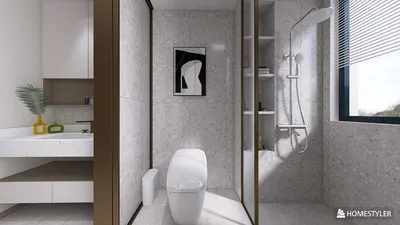


I create heritage event spaces that respect their historical significance while enhancing the visitor experience. A timeless venue is built on three essential elements: proportion and rhythm, guest comfort, and the capacity for adaptation. This triad influences every aspect of my design choices, from the selection of materials to lighting and sound considerations, ensuring that each detail is carefully thought out, with tools like Homestyler helping visualize the end result.
Comfort is not merely about aesthetics; it can be quantified. According to WELL v2, for general spaces, ambient lighting should be between 215 and 430 lux, with more intense illumination for tasks such as reading and food preparation. I adjust heritage chandeliers with hidden LED lighting to achieve these levels while maintaining the inviting warm light that guests cherish. Ergonomic studies by Herman Miller suggest that having assorted seating heights between 17 to 19 inches minimizes fatigue during extended events. In receptions, I strategically combine lounge groups with upright seating, balancing social interactions and meal enjoyment comfortably. Understanding color psychology, as noted by Verywell Mind, allows me to use warmer tones to enhance sociability—carefully applied within fabrics and wall treatments—to ensure that events remain inviting without overshadowing the vintage architecture.
The arrangement of spaces acts like choreography for guest experiences. Research from Steelcase connects space choices to increased satisfaction, which inspires my designs featuring various "micro-destinations." These include welcoming foyers, sound-buffered bar areas, and serene nooks perfect for conversation. For weddings or conferences, maintaining a 1:3 aisle-to-seat ratio ensures smooth movement and visibility; I also space tables five feet apart to facilitate service routes. To evaluate different seating configurations and service paths, I utilize a room design visualization tool, like Homestyler, to ensure classic architectural elements are preserved while optimizing overall flow.
Maintaining Architectural Integrity While Allowing Adaptation
Heritage halls embody narratives through their intricate details – from cornices to arches and parquet flooring. My guiding principle focuses on reversible enhancements, which enable the addition of elements that can be removed without damaging the original design. For instance, I use freestanding frames behind proscenium arches to support projection screens and drapes, circumventing direct attachment to delicate plasterwork. Additionally, cable management is cleverly concealed behind wainscoting and under-stage areas, maintaining the aesthetic elegance of the hall. I opt for breathable finishes on historical wood elements, and when depth of color is needed, I lean towards rich fabrics and lighting gels instead of paint, preserving authentic surfaces for future preservationists.
Lighting That Accentuates People and Heritage
Heritage lighting must simultaneously protect materials, highlight faces, and reveal architectural textures. I specify LED lights with a color temperature of 2700 to 3000K for chandeliers and sconces to replicate the warmth of early electric lighting. For culinary stations and floral arrangements, I choose bulbs in the 3000 to 3500K range with a high Color Rendering Index (CRI) of 90 or above to prevent color distortion. Utilizing IES guidelines, I set vertical illuminance for faces during photography, aiming for soft lighting ranging from 50 to 150 lux on background walls to eliminate glare while maintaining a balanced image. Control of glare is crucial; I employ indirect uplighting and micro-baffle downlights to ensure legibility in high-traffic areas such as stairs and thresholds.
Acoustic Comfort in Spaces with High Ceilings
Grand ceilings and marble floors can create excessive noise that detracts from joyful moments. To ensure clear communication, I integrate both absorptive and diffusive acoustic treatments that minimally affect the architecture: using plush velour drapes with adequate fullness and adding acoustic felts beneath tables, alongside suspended ceiling treatments that can be installed and removed easily. The placement of bars serves a psychological role; by situating them away from the main stage, I can reduce auditory interference. I calibrate sound systems to prioritize clarity over volume, adjusting the RT60 to between 1.2 and 1.6 seconds depending on the nature of the event, thus balancing musical richness with speech clarity.
Adaptable Layouts for Ceremonies, Banquets, and Conferences
Timeliness is rooted in flexibility. I develop three primary configurations: a ceremony axis (such as an altar), banquet grids, and cabaret setups for lively evenings. Aisle widths ranging from 6 to 8 feet allow bridal parties to pass comfortably, while buffet stations require clearances of 10 to 12 feet to manage crowds effectively. For conferences, I allocate 24 to 30 inches between chairs and 60 inches for cross aisles to adhere to ADA standards and facilitate smooth movement. When historical columns obstruct sightlines, I adjust lighting focus and display positioning, enhancing vertical illumination for speakers and employing non-distorting projection lenses. Quick transformations hinge on utilizing mobile staging equipment stored discreetly in alcoves.
Material Choices: Timeless on the Outside, Functional on the Inside
Guests interpret authenticity through texture, brightness, and mass. I combine historical hardwoods with contemporary subflooring that features thin acoustic underlays to mitigate noise from footsteps without dramatically raising floor levels. Textiles also convey tradition; damask and mohair evoke a sense of heritage, while blended wool fabrics—known for their fire resistance—excel during events. Slip-rated sealers are essential for stone thresholds, and rugs are substantial enough to lie flat but have a low pile to accommodate high heels. Furthermore, I prioritize low-VOC finishes and modular aesthetic elements, allowing the venue to cater to various event narratives without generating wasteful setups.
Color Psychology That Enhances Celebration and Ritual
Color can profoundly influence mood and movement. Warm neutral tones and soft amber uplighting promote relaxation; muted greens suggest rejuvenation in breakout lounges; deep berry tones can define a stage area without feeling overly serious. As noted in Verywell Mind's exploration of color psychology, warm shades often energize social interaction while cool tones invoke tranquility—factors I consider when segmenting a venue layout: warmer shades near dance areas, cooler tones in conversational spots. I avoid vibrant saturations on primary walls, instead introducing color through linens, florals, and lighting methods that adapt according to the event's narrative.
Human Considerations: Seating, Traffic Flow, and Service Efficiency
Heritage venues thrive when attendees feel invited rather than constrained. Navigation relies on lighting and rhythm—brighter sections at decision points, gentler lighting at edges. Seating must accommodate a variety of body types and attire; chairs should be approximately 17 to 19 inches high with supportive backs, along with arm options in lounge areas, and tables set at 30 inches with ample knee space. Organized circulation paths between dance floors and bars prevent crowding. Furthermore, I implement discreet service stations placed every 50 to 70 feet to reduce the need for staff crossing the main event area.
Seamless Technology Integration Without Cluttering the Aesthetic
I focus on centralized control systems that remain hidden: dimming racks are placed near mechanical areas while wireless controls are incorporated into existing paneling. Projection and streaming equipment are stored on matte black carts, while cables are routed beneath thresholds or through removable baseboards. For hybrid events, I strategically position cameras to minimize obstructions to guest sightlines, using fabric panels that mirror historical patterns to conceal equipment.
Maximizing Daylight, Preserving Heritage Windows, and Ensuring Thermal Comfort
Harnessing natural light can be immensely beneficial when done properly. I honor the rhythm of windows by adding reversible liners and sheer drapes to diffuse glare. Areas facing west are outfitted with double-layer drapery; morning ceremonies benefit from east-facing windows that deliver soft uplighting for optimal face balance. Achieving thermal comfort often involves employing discreet low-velocity ventilation that delivers air from floor level, with returns concealed within existing grills, ensuring guests stay cool without drafts while allowing gowns and suits to move freely without snagging on vents.
Creating Memorable Moments: Arrivals, Vows, Toasts, and Dancing
Timeless occasions unfold as a series of carefully orchestrated scenes. Arrivals are accentuated with gentle gradients of light and a natural scent derived from organic materials. Vows are captured within a balanced visual proportion, with focal backdrops positioned to be one-third the height of the room and flanked by vertical elements that echo the existing architectural design. Toasts benefit from warming 3000K crossfill lighting which highlights speakers, paired with moderate dimming to accentuate faces. Dance settings feature a warmer, richer color palette on the floor, alongside cooler tones along the edges for clear movement pathways.
A Comprehensive Planning Toolkit for Heritage Halls
Prior to any event, I conduct thorough checks regarding sightline integrity, acoustic performance, and service access. I evaluate layouts using simulated guest flow studies through a room layout planner, ensuring ADA-compliant seating clusters are strategically placed in key areas. Additionally, I fine-tune lighting arrangements—ranging from arrival settings to the ceremony, dinner, and dance sequences—locking in presets to ensure the evening feels harmonized rather than impromptu.
Frequently Asked Questions
I target ambient lighting levels between 215 and 430 lux according to WELL v2 guidelines, with table surfaces aiming for 300–400 lux through hidden light sources to keep faces well-lit without glare.
Seating heights ranging from 17 to 19 inches, coupled with supportive back designs and diverse seating options (both lounge and upright), align with ergonomic research facilitating guest comfort throughout lengthy programs.
I use reversible absorptive elements, such as plush drapery, under-table acoustic layers, and suspended acoustic clouds, along with precise tuning of PA systems to maintain an RT60 level around 1.2 to 1.6 seconds for optimal speech clarity.
Selecting lighting in the 2700 to 3000K range for heritage fixtures captures classic ambiance; for food and floral displays, I prefer 3000 to 3500K bulbs with a CRI of 90 or higher to maintain color integrity.
Utilizing freestanding truss frameworks, mobile staging, and reversible rigging allows me to efficiently adapt setups for banquets, ceremonies, and cabaret formats with minimal impact on historical features using tools like Homestyler for planning.
It’s crucial to ensure service paths maintain at least 5 feet (1.5 m) between table rows and 6–8 feet of aisle space for ceremonies to ensure seamless movement and accessibility.
I centralize all dimming and audiovisual equipment in discreet areas, route cables under thresholds or inside removable channels, and cloak equipment using fabric panels that resonate with the historic aesthetic of the venue.
Employing reversible liners and sheer drapery alongside strategic window treatments, such as double-layer curtains for western exposures and soft uplighting for morning events, can help mitigate glare effectively.
I use breathable wood finishes, slip-rated coatings for stone thresholds, modular decor elements, and blended wool fabrics with inherent fire-retardant properties to ensure longevity without sacrificing visual appeal.
Creating designated micro-destinations, storing mobile staging in alcoves, and pre-setting lighting schemes in sequences (arrival, ceremony, dinner, dance) streamline transitions effectively for any event.
Rani 30 in. Rectangular Black Metal Writing Desk w

POLY & BARK Douro Side Table

Farmhouse Dining Table for 4-6 People, 59 Inch Rec
Homestyler is your go-to online platform for effortless home design! With a user-friendly design tool, stunning 3D renderings, and a wealth of DIY video tutorials, you can create and visualize your dream spaces easily. Transform your ideas into reality today!
Design Now for FREE
































