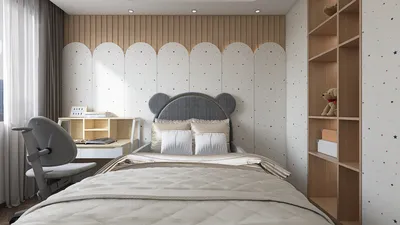


In designing guest rooms, I see these spaces as a harmonious fusion of hospitality and the warmth of home—environments that soothe the mind after travel, cater to diverse preferences, and capture memorable moments beautifully. Color serves as the most immediate tool to achieve this effect; however, it is crucial that the chosen palette complements natural light, materials, and acoustic properties. In my mixed-use residential projects, I often focus on calming contrasts, utilizing soft mid-tones and muted neutrals, alongside subtle ‘personality accents’ that can be effortlessly updated with the seasons. Utilizing a design tool like Homestyler allows for easy visualization of these changes.
The impact of color selection is heavily influenced by lighting conditions. Following IES guidelines, bedrooms typically benefit from ambient light levels ranging from 100 to 300 lux, ensuring low glare and warm to neutral white light (2700K to 3500K) which promotes relaxation. Guidelines from WELL v2 also underline the importance of glare-free lighting and flicker control to minimize eye fatigue. Adhering to these standards helps maintain the true vibrancy of colors and prevents harsh contrasts that could overwhelm guests.
Understanding psychology in design is vital. Research compiled by Verywell Mind indicates that colors like blue and green are commonly linked to tranquility and stability, while warm neutrals can enhance feelings of comfort and belonging. In practice, I prefer to use desaturated shades with low to medium chroma—they harmonize across various skin tones and lighting scenarios, complementing natural textures beautifully.
Soft Neutrals with Botanical Greens
One of my go-to color schemes involves warm greige walls combined with muted botanical green accents. Envisioning a greige base (L* ~75, low chroma) on expansive surfaces, alongside textiles in sage or eucalyptus green, and a deeper olive in a singular piece of furniture. These green tones connect to biophilic elements and maintain a soft presence under both natural and warm artificial lighting. For areas that receive north-facing light, I prefer to use warmer hues (greige infused with a hint of taupe) to balance the cool daylight. Tools like Homestyler can assist in laying out designs to determine the optimal positioning of color accents in relation to windows.
Calming Blues with Cream and Walnut
A light, soft blue (avoiding icy tones) paired with creamy off-white induces a serene, coastal vibe. Blue textiles such as duvets and throws set the tone, while cream on the walls helps avoid an overly cool ambiance. Incorporating warm woods like walnut or medium oak adds comforting depth that grounds the scheme. I maintain a color temperature around 3000K for bedside lamps; this preserves the warmth of the blues and enhances natural skin tones in the evening's light.
Earthy Clay, Linen, and Charcoal Accents
For those guests drawn to richer shades, a combination of light clay or terracotta with linen and charcoal accents brings warmth without feeling heavy. The clay should maintain a lightness of 50-60%, while charcoal is best kept to smaller decor elements (like picture frames or lamp bases) to keep the visual balance intact. Natural fabrics, including linen, wool, and jute, carry the color scheme softly, enhancing both the acoustic qualities and the inviting feel of the space.
Pale Sand with Soft Black and Dusty Rose
Walls painted in pale sand, accompanied by soft black metal features and a subtle blush of dusty rose in cushions or artwork, create a timeless yet contemporary look. Any rose should be muted; vibrant pinks can evoke strong reactions in shared environments. I prefer using matte finishes to limit glare, which can interfere with the perception of soft hues.
Muted Lavender with Mushroom and Brushed Brass
When chosen wisely, lavender can soothe, particularly when it is kept muted and paired with warm grey-beige (mushroom) and brushed brass accents. This combination read as sophisticated rather than playful. I typically reserve lavender for textiles or a feature wall, ensuring the rest of the room maintains neutral tones to allow for versatility in design.
Light Environment: Color, Lux, and Comfort
The quality of light is intrinsically connected to color comfort. According to IES guidelines, it’s advisable to aim for around 150-200 lux ambient light for relaxation, with task lighting elevated to 300-500 lux for reading tasks. Bedside lamps should be set at 2700-3000K; if the room doubles as a workspace during the day, a ceiling layer with 3500K can be advantageous. Dim-to-warm options allow guests to adjust the ambiance to their liking. It’s essential to ensure the Color Rendering Index (CRI) remains at 90 or above to present skin tones and fabrics authentically.
Ergonomics and Human Factors
The palette must align with ease of both cognition and physical comfort. High-contrast elements (such as dark doors against light walls) can facilitate nighttime navigation. It’s wise to eschew overly complex patterns behind the headboard to maintain visual clarity. Textures serve to absorb sound; employing rugs and upholstered headboards can diminish reverberation, resulting in calmer atmospheres.
Spatial Ratios and Visual Rhythm
I prefer adhering to a 60/30/10 distribution approach: 60% base neutral, 30% secondary hue, and 10% accent. In smaller rooms, it is advisable that the accent comprises portable items (throws, cushions) to allow the space to adapt to different guests. Additionally, the vertical rhythm of color can create a spatial dynamic—dark tones at ground level (floor, baseboards), mid-tones at eye level, and lighter shades higher up to create the illusion of elevated ceilings.
Materials and Sustainability
The impact of color is magnified by the choice of materials. Using low-VOC paints, OEKO-TEX certified textiles, and FSC-certified wood can lessen odors and off-gassing, which is crucial for guests with sensitivities. Opting for matte or eggshell paint can minimize glare and easily conceal touch-ups. Natural fabrics in shades of green and blue gracefully age while delivering the intended hues softly.
Behavioral Patterns and Spatial Intention
A thoughtfully designed guest room should immediately convey ease of settling in. Warm elements (wood, warm whites) should greet at the entry, transitioning into cooler, restful tones (blue/green textiles) near the bedding area. It is best to keep accent colors away from the sleeping centerpiece to maintain a soothing atmosphere, strategically placing them along walls with wardrobes or desks instead.
2024-2025 Notes from Practice
Current designs favor layered neutrals enriched by nature-inspired tones—sage, clay, and misty blue, complemented by soft metallics (brushed brass, patinated bronze). Guests are increasingly valuing tunable lighting options alongside blackout arrangements that gently introduce light. Color palettes that photograph beautifully under varied lighting are particularly favorable; lamps with high CRI ratings help maintain this visual appeal.
Practical Colour Pairings to Try
- Warm greige + eucalyptus green + matte black
- Cream + powder blue + walnut
- Mushroom + muted lavender + brushed brass
- Pale sand + dusty rose + soft black
- Light clay + linen + charcoal
Placement, Proportion, and Layout Simulation
When refining the positioning of colors—be it on a feature wall, in drapery choice, or on a color-blocked headboard—creating mock-ups with a design visualization tool like Homestyler can prove invaluable. This technique allows for assessment of how factors like light orientation, lamp placement, and furniture arrangement influence the perception of color and overall balance within the room.
FAQ
Q1: What light temperature should I use for a welcoming atmosphere from bedside lamps?
A1: A warm range of 2700K to 3000K is ideal. This range enhances warmth and makes blues and greens appear more inviting. A CRI of 90 or more will ensure natural-looking fabrics and skin tones.
Q2: Do cooler colors render a guest room too chilly?
A2: Not necessarily when combined with warm neutrals and wood accents. Soft blues or greens against cream and walnut convey serenity rather than coldness, particularly under 3000K lighting.
Q3: What is the appropriate amount of accent color to incorporate?
A3: Maintaining accent colors to about 10% of the visual area is recommended. Utilize portable elements such as throws, cushions, or art to allow the room to adjust to varying guest preferences.
Q4: Which finishes best complement muted color schemes?
A4: Opt for matte or eggshell paint, natural textiles (like linen and cotton), and low-sheen metals (like brushed brass and bronze). These choices minimize glare and foster a calming and restful aesthetic.
Q5: What lighting levels should I aim for?
A5: Target approximately 150-200 lux for ambient lighting aimed at relaxation, and elevate to 300-500 lux for reading tasks. Always consider glare-reducing options and explore dim-to-warm fixtures for flexibility.
Q6: How should I choose colors for a north-facing guest room?
A6: It’s best to opt for warmer tones: greige with taupe undertones, clay accents, and inviting warm metals. Since north-facing light can appear cool, warmer base colors will help to create an inviting atmosphere.
Q7: Are bold colors ever suitable in guest rooms?
A7: Yes, but in modest amounts—such as charcoal frames, a single olive chair, or a dusty rose pillow. It's advisable to keep walls and major surfaces muted to avoid overwhelming guests.
Q8: How can color assist in night navigation?
A8: Utilizing subtle contrasts—such as slightly darker doors or baseboards against lighter wall colors—can be helpful. Employing nightlights at 2700K minimizes glare while enhancing visual cues throughout the space.
Q9: What materials promote a healthy guest room?
A9: Opt for low-VOC paints, OEKO-TEX certified textiles, FSC wood, and sound-dampening rugs. These materials contribute to air quality and acoustic comfort for guests.
Q10: How can I prevent colors from appearing different throughout the day?
A10: Choose high-CRI lamps, test paint samples on various walls, and assess under both morning and evening lighting. Keeping chroma levels low to medium ensures stability in color perception.
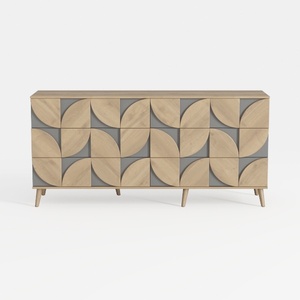
Farmhouse Sideboard Buffet Cabinet - Large Kitchen
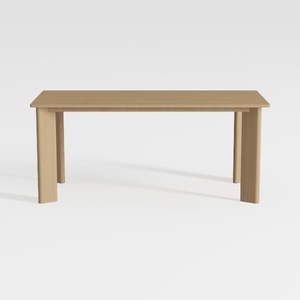

HON Coze Home Office Desks, Sturdy Table Computer
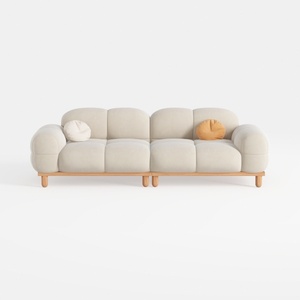
SSC SATISUNCASA 88.58" Modern Curved Sofa Couch, J
Homestyler is your go-to online platform for home design, perfect for all skill levels. With its user-friendly design tool, stunning 3D renderings, extensive design projects, and helpful video tutorials, you can easily create and visualize your dream spaces. Start designing today!
Design Now for FREE
































