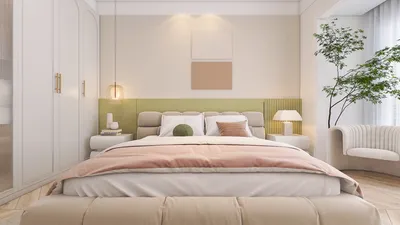


Ranch-style homes are celebrated for their straightforward design: featuring a single-level layout, expansive sightlines, and easy traffic flow. Given limited space, it’s crucial to develop a disciplined design plan that maintains harmonized proportions, effective daylighting, and integrated storage solutions that feel seamless rather than afterward additions. In my recent designs of ranch homes under 1,200 sq ft, I discovered that the most functional ones possess three key characteristics: a continuous great-room that serves as a backbone, service areas efficiently grouped along a compact utility wall, and adaptable rooms that can shift functions without creating visual chaos, often aided by a tool like Homestyler for planning.
Design decisions must be founded on actual human performance rather than assumptions. According to WELL v2 standards, lighting in residential areas should aim for 300–500 lux for ambient light while task areas should reach up to 1,000 lux to enhance visual comfort and circadian rhythms. Personally, I target 350–400 lux in living spaces and layer task lighting in areas such as cooking, reading, and grooming (reference: WELL v2). Studies show that people perceive smaller areas as larger when using cooler, lighter colors; Verywell Mind indicates that shades of blue and green can alleviate stress and create an airy feeling in rooms, especially when complemented with matte, low-gloss finishes that diffuse light (reference: Verywell Mind color psychology). For ergonomics in workspaces, a seat pan height of approximately 17–19 inches suits the majority of adults, with kitchen counters set at about 36 inches and accessible work surfaces at 34 inches according to NKBA guidelines.
Plan the Core: A Spine That Structurally Organizes the Home
Begin with a centralized spine: an expansive great room that integrates living, dining, and kitchen spaces. This helps minimize wasted hallway space while allowing daylight to circulate throughout different areas. Maintain a main proportion ratio of 1:2 to 2:3—such as a dimension of 12' x 20'—to ensure visual harmony and proper arrangement of furniture. Position the kitchen at one end with at least a 42" clearance between the island and counters for easy movement; place the dining area centrally to accommodate flexible tables; and arrange the lounge at the sunniest portion of the room. If you’re experimenting with furniture and wall arrangements, utilizing a room layout tool, perhaps through Homestyler, can efficiently assess sightlines, walking distances, and door movements.
Zone for Calm: Bedrooms and Acoustics Positioned at the Periphery
It's essential to distinguish quiet spaces from social areas. Both primary and secondary bedrooms should be situated beside the great room, or on the opposite side of the spine to enhance acoustic privacy. Aim for an STC rating of 50 or higher between living areas and bedrooms; resilient channels and mineral wool can help achieve this without significantly increasing wall thickness. In smaller ranch layouts, employing pocket doors with soft-closing features maximizes space while minimizing sound leakage; consider solid-core sliding doors and acoustic seals for added effectiveness.
Circulation That Blends Seamlessly
Reduce the need for hallways by allowing furniture placement to define movement areas. A clear path of 36" meets accessibility standards and feels spacious in compact designs. Ensure that doors open into transition spaces rather than onto wall views. Installing transom windows above interior doors near the spine can capture light for secondary rooms whilst maintaining privacy. I strive for the total circulation space to be under 8–10% of the overall area in small ranches; every reclaimed foot of space can become additional storage or functional living area.
Kitchen Solutions: Compact, Social, and Functional
Galley or L-shaped kitchens are ideal for smaller ranch homes. Keep the distances of the work triangle between 4' and 9' each, totaling 12' to 26'. Ensure there’s 24" landing space next to the fridge and 15" on one side of the cooktop for convenience. For efficiency, a 24–30" deep island or peninsula with a 12" overhang can serve as a breakfast bar that also accommodates laptop workspaces. Utilize under-cabinet lighting at around 300–500 lux to minimize shadows on preparation surfaces. Choose matte or low-sheen finishes to reduce glare, and incorporate vertical pull-out pantries (9–12" wide) adjacent to the fridge to avoid bulky tall cabinet spaces.
Living and Dining Areas: Layered Lighting and Harmonious Dimensions
Position the dining table under a dimmable pendant fixture providing approximately 300–400 lumens per square meter (about 300–400 lux) and maintain a clearance of 36" around the table for seats. In the lounge, arrange the seating to focus on a window or a feature wall; a distance of 10'–11' is suitable for a 55–65" TV without overwhelming the space. Select a neutral area rug sized according to the seating arrangement—ensuring front legs rest on it—to create a seamless aesthetic. Conceal media components within low credenzas; utilize tall verticals in corners to keep windows open visually.
Bedrooms: Smart Storage Without Bulk
Aim for minimum clearances of 24–30" on either side of beds, with 36" at the main approach. Choose wall-width closets equipped with full-height sliding doors instead of hinged ones to conserve circulation space. If feasible, incorporate a 20–24" deep niche along the bed wall to neatly tuck away dressers for a polished look. Soft colors for headboard walls, like muted greens or blue-grays, enhance tranquility; cool tones recede, visually enlarging compact spaces, in line with color psychology studies.
Bathrooms: Brightness, Ventilation, and Streamlined Design
Compact bathrooms function best when fixtures are aligned on a single wall to simplify plumbing. Consider a combo tub-shower measuring 60" or a walk-in shower between 48-60" featuring a single glass panel; fewer lines create a cleaner visual. Position vanities between 34–36" in height; a 4,000K task light strip at the mirror helps minimize shadows. Allot for large-format tiles (12"x24" or larger) with tight grout patterns to enhance the illusion of space, and unify the flooring into a curbless shower whenever possible.
Storage as Structural Design
Incorporate storage into architectural thicknesses: deepen selected onboard walls to 6" for embedded shelves; create a 12–16" built-in along the home’s spine as a media or linen area; similarly, utilize the laundry section for extended utility storage. Entryway benches can double as shoe storage; a depth of 14–16" provides comfort without overwhelming the space.
Light, View, and Glare Management
Natural light is a significant advantage of ranch-style homes. Position the largest windows on the south or east side to achieve balanced illumination; shade west-facing windows to prevent heat and glare. Follow IES guidance by implementing a layering of ambient, task, and accent lights; dimmable LEDs at 2700–3000K offer warmth at night, while 3500–4000K lighting enhances focus in work areas. Employ solar shades with 3–5% openness on glare-sensitive windows to maintain views without harsh contrasts.
Sustainable and Quiet Material Selections
Choose low-VOC paints and sustainably sourced wood materials for healthier interior environments. Cork or rubber underlayments beneath luxury vinyl plank (LVP) or engineered wood enhance acoustic performance in single-level layouts. In wet areas, favor porcelain tile over natural stone for durability and ease of upkeep, and opt for water-efficient fixtures to regulate usage.
Flexible Rooms and Dedicated Workspaces
As remote work increases, consider adding a 36–48" deep nook adjacent to the great room for a compact office space. An adjustable task chair at a height of 17–19", a desk with the top at or just beneath eye level, and at least 20" of knee clearance accommodate general ergonomic requirements. For privacy, use a full-height curtain or pivot door instead of a heavy wall to maintain openness and allow for light sharing.
Outdoor Extensions: Patios and Porches
Extend your interior spine outdoors. A covered porch measuring 6–8' deep off the dining area transforms into a seasonal living space; align door swings with furniture layouts. Opt for consistent flooring materials to visually integrate the interior with the exterior. Large, full-height windows and a flush threshold can blend indoor and outdoor spaces distinctly.
Layout Strategies That Yield Benefits
- Align plumbing for the kitchen, bathroom, and laundry along a compact wet wall to reduce costs and simplify ventilation.
- Create an entry that provides a sightline to natural light; avoid facing a blank wall directly.
- Utilize 80–96" interior doors to enhance spatial proportions.
- Keep baseboards slim (3–4") and opt for minimal window casings for a clean aesthetic.
When to Test the Design
If your layout feels cramped, experiment with different furniture dimensions and door openings using an interior layout planner to confirm clearances before construction: an interior layout planner can be handy. I frequently try out three configurations for living rooms to optimize social interactions and daily activities.
FAQ
I typically recommend a size of 250–350 sq ft, generally shaped 12'–14' wide by 18'–24' long, accommodating kitchen space, a dining table for 4–6 persons, and a lounge area without hallways.
Aim for 300–400 lux ambient light with task layers reaching 500–1,000 lux for reading, food prep, and grooming areas, following WELL v2 guidelines. Implement dimmers to transition from focus to relaxation.
Specify partitions with an STC rating of 50 or higher using resilient channels and mineral wool, solid-core doors fitted with perimeter seals, along with soft surfaces such as rugs and drapery to dampen sounds.
Utilize cooler, lighter shades—soft blues, greens, and grayish tones—which visually recede. Paint ceilings in a slightly lighter tone than walls and use matte finishes to scatter light, in line with principles of color psychology.
Yes, while ensuring a minimum clearance of 42" around the island. In significantly compact areas, a peninsula varying from 24–27" deep can support seating and preparation without hindering movement.
Favor built-in solutions that utilize wall thickness, shallow cabinets (12–16" deep), and storage benches at entries to eliminate cumbersome freestanding armoires that encroach on space.
Prioritize east/south-facing windows for steady light, shade western windows, and keep sills low (18–24") in living areas to enhance views. Use solar shades with 3–5% openness to manage glare effectively.
Design a 36–48" niche adjacent to the great room with an adjustable chair (height of 17–19"), a 24–27" deep desk, task illumination at 500 lux, and a flexible screen—like a curtain or pivot door—to delineate space.
Utilize one continuous material—quality engineered wood or LVP—for visual consistency. Incorporate acoustic underlayment in living and bedroom areas to minimize noise from footfalls.
Place the dining space centrally with 36" of clearance surrounding it while opting for a table that extends. Overhead pendants controlled by dimmers allows you to adjust the ambiance in accordance with the size of the table.
Align bathroom fixtures along a single wall, consider a curbless shower with a glass enclosure, and consistently apply large-format tiles for a streamlined appearance. Ensure good airflow and use 4,000K mirror lights for optimal brightness.
Enhance horizontal lines with low porches, align window tops, introduce a simple beam or pergola at the entrance, and restrict materials to two primary ones plus one accent for a serene composition.
Originally incubated at Autodesk, Homestyler has grown into one of the most widely adopted home design platforms in the world, now trusted by over 18 million users. Whether you're a homeowner exploring ideas or a professional designer delivering client-ready renders, Homestyler brings industry-leading 3D technology to your fingertips — no experience required.
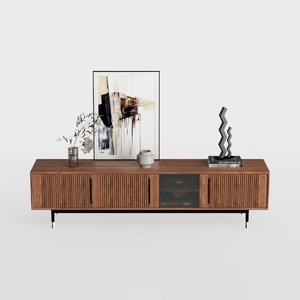

Modern Minimalist Walnut Fluted Door TV Cabinet 3D Model
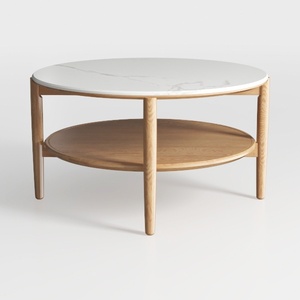
Minimalist Marble Top Solid Oak Round Two Tier Coffee Table 3D Model

Rustic Solid Oak Round Coffee Table Unique Geometric Base 3D Model
Homestyler is your go-to online home design platform! With its easy-to-use design tool, stunning 3D renderings, and a wealth of design projects and DIY video tutorials, turning your decorating dreams into reality has never been simpler. Elevate your space effortlessly!
Desain sekarang Gratis
































