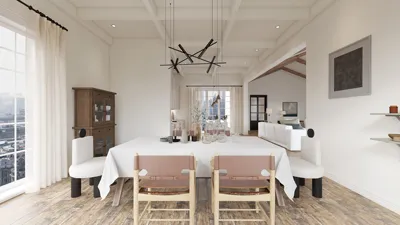


The foundation of any space begins with the flooring. In areas such as residential entryways, corridors, or hotel lobbies, the selection of tiles establishes a visual rhythm, manages foot movement, and determines maintenance needs. My approach to designing these spaces revolves around long-term functionality, prioritizing aspects like slip resistance, sound absorption, and logical layout before considering decorative patterns. Evidence supports this focus; a study by Steelcase found that work environments designed with human factors in mind observe increases in perceived effectiveness and engagement. Floors that facilitate navigation, comfort, and ambiance significantly enhance user experience (Steelcase Research). The WELL v2 standard also highlights the importance of materials, movement, and acoustics; choosing the right tiles can mitigate noise disturbances and alleviate fatigue in high-traffic areas (WELL v2 Features).
Durability and safety are critical aspects of design. The IES suggests maintaining an illuminance of approximately 100–200 lux in circulation spaces to ensure safe passage; in instances where lighting diminishes, higher-contrast tile patterns serve as visual aids (IES standards). Research on color psychology indicates that blues and muted greens provide a calming influence in transitional areas, while vibrant reds can impart a sense of urgency—effective near exits but potentially overwhelming in lengthy corridors (Verywell Mind on color psychology). These selections are not arbitrary; they significantly influence how individuals navigate, pause, and perceive cleanliness in a hallway.
Design Priorities for Hall Tiles
I begin by assessing performance requirements before delving into aesthetic choices. Factors such as foot traffic intensity, slip resistance (both wet and dry), sound insulation (impact noise), lighting scenarios, and cleaning protocols inform my initial tile selections. In commercial settings like hotels and offices, entrance halls need to accommodate rolling luggage and carts while enduring daily cleaning—porcelain tiles with low porosity and high PEI ratings are consistently effective here. For residential entryways, larger porcelain or engineered stone tiles better handle dust and seasonal moisture compared to softer materials. In corridors designed for senior living, opting for matte finishes and low-glare textures helps mitigate confusing reflections caused by bright overhead lighting.
Material Options That Work
- Porcelain tile: This is my go-to choice for most hallways due to its robust abrasion resistance, low moisture absorption, and superior printing capabilities for emulating stone or terrazzo appearances. For entryway areas exposed to water, it’s best to select R10–R11 slip ratings. Honed or matte surfaces reduce glare and minimize visibility of dust.
- Sintered stone / ultra-compact slabs: Ideal for expansive spaces with minimal joints. These materials provide excellent stain and heat resistance. When installed in halls above occupied areas, employing sound-absorbing underlays can help control impact noise.
- Terrazzo tile: A classic choice, particularly suitable for public or educational spaces. It offers significant compressive strength and a speckled surface that conceals scratches. Opt for prefinished tiles that incorporate slip-resistant aggregates for wet entryways.
- Natural stone: While materials like limestone and marble can enhance historical aesthetics, they require diligent sealing and maintenance. In areas prone to wet conditions, pairing with a textured entry mat can prevent slips on polished surfaces.
Size, Pattern, and Joints: Getting the Proportions Right
Utilizing large-format tiles (24×48 in / 600×1200 mm) effectively broadens narrow hallways by diminishing grout lines. In smaller entryways, 24×24 in (600×600 mm) tiles provide visual harmony and avoid awkward cuts. To facilitate directional flow, I often install plank tiles (8×48 in / 200×1200 mm) in alignment with pedestrian traffic to elongate the space's axis. A 1/3 offset for plank layouts reduces lippage issues.
The color of grout plays a more significant role than many realize. A flush grout application produces a serene, cohesive appearance—ideal for minimalist settings. In contrast, using a darker grout can create a defined outline around tiles, offering a visually stimulating effect and assisting in subtle wayfinding. Ensure joints remain tight yet practical: 2–3 mm for rectified porcelain and wider for non-rectified edges. Follow industry standards for expansion joints—position them at thresholds or doorways instead of mid-field.
Light, Glare, and Color Psychology
Typically, hall lighting is consistent and bright; shiny tiles can create glare and display footprints. I often combine matte or honed tiles with warm lighting (3000–3500K) in residential hallways to enhance comfort and complement skin tones; cool-neutral (3500–4000K) lighting in corporate settings promotes a modern feel without being too sterile. According to IES guidance, sufficient vertical illuminance is crucial for recognizing faces; tiles with an LRV (Light Reflectance Value) of about 30–50 strike a balance—providing enough reflectance to brighten without causing glare.
Color can dramatically affect walking speed. Soft neutrals and muted earth tones cultivate a more deliberate stride, while high-contrast borders indicate turns or entries. In lengthy corridors, employing gradient or banded tile arrangements every 20–30 feet creates visual interest and aids orientation—particularly beneficial in hospitality and healthcare environments.
Acoustics and Comfort Underfoot
Tiles reflect sound; while a sharp footfall might invigorate a retail hallway, it can feel harsh in residential corridors. To minimize noise, I advise using sound-dampening underlayment wherever the structural support allows, complementing hard finishes with softer elements—like rugs near seating areas, acoustic wall panels, or felt-wrapped signage. The WELL v2 framework identifies noise as a primary source of dissatisfaction; marrying hard flooring with sound control strategies fosters a pleasant atmosphere during prolonged use.
Layouts That Guide Movement
Hallways are pathways for people and narratives. The use of patterns can reinforce this movement. For instance, herringbone or chevron patterns instinctively direct flow; a bordered layout can frame an entrance and diagonal settings can visually enlarge compact entryways, albeit with meticulous cutting required. To evaluate alternatives, utilizing a room layout tool can aid in visualizing proportions, seam placements, and transitions prior to material procurement. With the help of an interior layout planner, explore thresholds, runner effects, and inlays with adjacent rooms through an effective simulation tool like Homestyler.
Thresholds, Transitions, and Maintenance
Transitions represent pivotal moments in design. At exterior entrances, it's essential to combine scraper mats with a minimum 6–10 ft walk-off area to keep dirt off the tiles. For transitions from tile to other materials, such as carpet or wood, employ metal trims that harmonize with door hardware finishes for cohesive aesthetics. In moisture-sensitive areas, prioritize through-body porcelain or textured finishes. Establish a maintenance regimen involving neutral pH cleaning solutions, timely grout sealing for cement variants, and prompt spill response. Select darker grout or epoxy in high-traffic regions to minimize staining.
Style Playbook: Five Reliable Looks
- Minimalist stone-look: Featuring large tiles in a light, warm gray with tight grout lines and a flush base to evoke gallery-like tranquility.
- Heritage checkerboard: Classic 12×12 in black-and-white or cream-and-ink designs, bordered for a refined townhouse entryway.
- Terrazzo modern: Mid-tone backgrounds with recycled chips, ideally combined with satin brass trims and warm wood doors.
- Wood-look herringbone: Porcelain planks provide timber warmth without the necessary maintenance typical of real wood in humid environments.
- Monochrome field with accent band: A singular color scheme complemented with a contrasting 6–8 in band aligning with doorways to create a rhythmic flow.
Accessibility and Safety
For universal design, it’s critical to select materials that maintain consistent slip resistance whether wet or dry. Avoid high-polish finishes in entry areas. Implement tactile indicators at transitions where the hallway intersects with stairs or platform edges. Maintain even illumination and utilize materials that do not produce harsh reflections to accommodate older patrons. Employ consistent module sizes to minimize trip risks at transitions.
Budget and Lifecycle Thinking
The expense of tiles is just one component of overall costs. Be sure to account for substrate preparation, crack isolation membranes, trims, and expansions. By opting initially for more durable porcelain and epoxy grout in high-traffic areas, I have effectively decreased lifecycle costs in lobbies, as it minimizes the need for ongoing repairs and replacements. When facing budget constraints, consider using economical field tiles while integrating a limited quantity of premium tiles for borders or accents to elevate visual appeal without inflating expenses.
Installation Essentials
Ensuring a level surface is paramount. Large-format tiles require thorough leveling, appropriately sized trowel notches, and back-buttering techniques. Verify lippage tolerances with the installer before laying out complex patterns like chevron. For spaces with radiant heating, flexible mortars suitable for temperature variations should be employed.
When to Use Patterns vs. Solid Fields
Patterns add character, while solid tiles provide a sense of calm. In narrow or busy hallways, opting for understated field tiles can minimize visual clutter, allowing signage and artwork to stand out. Conversely, if the corridor's design leans towards minimalism, adding patterned tiles—like geometric shapes, subtle encaustic designs, or unique terrazzo—can enrich the overall aesthetic. I frequently establish a solid base and introduce patterns strategically at areas including elevators, door clusters, or at the center of foyers.
Bringing It Together
The most successful tiled hallways evoke a sense of inevitability, as if the materials were seamlessly integrated into the architecture. Choose a resilient foundation, align surface finishes with ambient lighting, consider acoustic factors, and purposefully design joint placements. With these core principles addressed, stylistic choices—be it checkerboard, terrazzo, a stone finish, or herringbone—will naturally align.
FAQ
The best choice is porcelain with a matte or textured finish. Its density, stain resistance, and capability to repel moisture and debris make it ideal. Look for R10–R11 slip ratings in areas prone to wet conditions.
Larger tiles help reduce the amount of grout lines: aim for sizes like 12×24 in or 24×24 in. Position the long edge in the direction of foot traffic to enhance spatial perception.
Textures can indeed create issues with glare and footprints under bright lighting. Selecting honed or satin finishes presents a refined shine without troublesome reflections that may cause discomfort to users.
Incorporate sound-dampening underlayment beneath tiles when structural support allows, supplemented with acoustic wall treatments, ceiling baffles, or area rugs. It's essential to recognize that tiles alone will reflect sound.
Choosing mid to dark grout tones can help conceal stains and variations in cleaning. Epoxy grout offers heightened resistance to chemicals and moisture but tends to have a higher upfront cost.
Yes, by incorporating borders, directional planks, or subtle banding, you can signal movement cues, define entry points, and break up lengthy corridors effectively without overwhelming with signage.
For residential settings, aim for a warm lighting spectrum of 3000–3500K with effective vertical illuminance for facial recognition; in commercial areas, maintain a 3500–4000K balance for clarity. For safe circulation, ensure illuminance remains at 100–200 lux, adjusting as necessary for tasks and atmosphere.
While beautiful, natural stones require diligent sealing and careful upkeep. Opt for honed surfaces, efficiently protect them with practical walk-off mats, and plan for regular resealing intervals.
Utilize metal trims or reducers needed for transitions, ensuring finishes align with door hardware. Where feasible, sync grout lines with door centers and maintain uniform heights to prevent tripping hazards.
For an effective installation, straight laying with rectified edges and consistent modules is advisable. More intricate patterns, like chevron or diagonal orientations, necessitate increased precision in cutting and substrate flatness.
Built on technology originally developed at Autodesk, Homestyler empowers anyone to design beautiful, realistic spaces in minutes. Join over 18 million users who have already discovered a smarter way to plan, visualize, and bring their dream homes to life — all from the comfort of a browser.

Vintage Orange Acrylic Modern Mushroom Table Lamp 3D Model
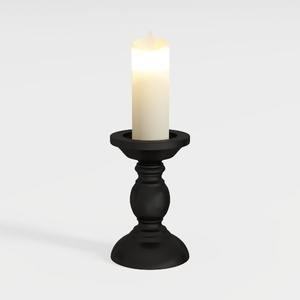
Black Metal Vintage Candle Holder Decorative 3D Model

Rustic Rattan Woven Table Lamp with Fabric Shade 3D Model
Homestyler is your go-to online home design platform! With its user-friendly design tool, stunning 3D renderings, and a wealth of DIY tutorials, transforming your space has never been easier. Unleash your creativity and discover endless design possibilities with Homestyler today!
Progetta ora GRATIS
































