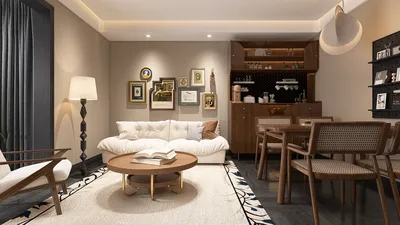


Creating an exceptional experience within a KBR function hall hinges on flexibility, sightlines, and comfort. When I design multipurpose venues, I prioritize modular layouts, layered lighting, and acoustics that accommodate both small gatherings and large events. Research from Gensler's Workplace Survey shows that spaces that blend focus, social interaction, and collaboration lead to higher satisfaction ratings, a principle that can be effectively applied to event venues. Additionally, the WELL v2 framework highlights the importance of acoustic, light, and thermal comfort as essential elements that contribute to occupant well-being, informing foundational design choices. Among various tools available, Homestyler stands out for visualizing these concepts in practical layouts.
Understanding the intricacies of lighting is crucial. The IES suggests a range of approximately 300–500 lux for general tasks at events, emphasizing the benefit of dimmable options to transition from a conference setting to a banquet atmosphere. Studies indicate that color temperature influences mood: cooler tones of 4000–5000K promote alertness for presentations, while warmer tones of 2700–3000K create a more relaxed dining experience. To delve deeper, Verywell Mind provides valuable insights into color psychology. For a comprehensive approach to human-centered design that prioritizes elements like light, acoustics, and comfort, the WELL v2 framework serves as an excellent resource for crafting effective venue environments utilizing tools like Homestyler.
Design Intent: Valuing Versatility
Modern events require spaces that can be quickly adapted. I plan function halls using a primary grid (1.2–1.5 m modules) that incorporates lighting tracks, sprinkler heads, power outlets, and ceiling rigging. This design allows for the repositioning of stages, buffets, dance floors, or breakout areas without constraints from fixed infrastructure. Employing a room layout tool, such as Homestyler, helps test circulation and table spacing efficiently, ensuring optimal capacity and guest sightlines from every angle within the hall.
Examining Spatial Ratios and Scale
Proportions are key to perception. For a comfortable banquet setup, I advocate for a distance of 1.5–1.8 m between table centers, ensuring at least 1.2 m wide aisles for service access. In mixed-use scenarios, I aim to maintain a 60/30/10 ratio: 60% dedicated to the primary activity zone (whether it be for dining or presentations), 30% for social interaction and circulation, and 10% for support (such as staging and storage). Ceiling height plays a vital role in atmosphere and acoustics—an ideal range of 6–9 m allows for flexible rigging while keeping line-array speakers positioned properly while ensuring a human scale with floating baffles and lighting clusters.
Creating Effective Lighting Layers
My strategy for lighting involves four distinct layers: ambient (uniformly set at 300–400 lux), accent (including pin-spots and wall-washers to add texture), functional (focusing on podiums, stages, and buffet areas), and decorative (such as pendants, chandeliers, and LED cove lighting). Dimming options down to 1% for ambient and accent lighting are essential, allowing for seamless mood transitions throughout the event. Techniques like asymmetric wall washing can visually elongate smaller rooms, and variable color temperature options facilitate smooth transitions from day to night. Managing glare is also critical—it's advisable to choose fixtures with UGR < 19 for presentation areas, utilizing baffled downlights to counteract reflections.
Maintaining Acoustic Comfort: Managing the Space, Not the Volume
The success of events largely depends on guests’ ability to communicate without raising their voices. I strive for a reverberation time (RT60) of 0.7–1.0 seconds for speech-oriented events, extending up to 1.2 seconds for music-centric occasions. By combining high NRC (≥0.80) ceiling baffles, fabric-wrapped wall panels (NRC 0.75+), and plush flooring elements, I dampen unwanted noise effectively. Implementing zonal sound systems with steerable arrays ensures a consistent sound pressure level throughout the hall without creating disruptive hot spots. Additionally, we should treat foyer areas separately to minimize sound bleed during speeches.
Focusing on Ergonomics and Flow
Human-centric design is a pillar of my planning approach. I recommend maintaining widths of 1.1–1.2 m for main aisles and at least 0.9 m around tables for service access. Bar counters should be set at heights between 1.05–1.10 m with knee clearance of 0.45 m to accommodate both standing and seated guests comfortably. For buffet setups, lanes of 0.9–1.2 m allow for effective guest flow and prevent congestion at entrance points. If function halls need to alternate frequently between classroom and banquet styles, investing in lightweight nesting tables and stackable chairs can save significant time during turnover; this investment often pays off within the first year of operation.
Stagecraft: Prioritizing Sightlines, Media, and Rigging
The height of the stage should be proportionate to the audience’s distance. For viewing ranges up to 20 m, a stage height of 300–600 mm is adequate, while deeper rooms benefit from a height of 600–900 mm. Screens should be positioned with the bottom edge at 1.0–1.2 m above the finished floor, ensuring those seated in the back rows can see clearly. Whenever feasible, incorporating dual side-screens minimizes neck strain, and reserving a clean wall for branding and projection is advantageous. It's also recommended to standardize the locations for 3-phase power drops and DMX runs according to a grid pattern—this foresight will be appreciated by your AV teams.
Implementing Effective Color and Material Strategies
Utilizing neutral, low-commitment color bases allows the event branding to take center stage. For walls, I prefer warm neutral tones (LRV 50–70) to reduce glare on camera and to ensure a flattering appearance for skin tones. Incorporating accent panels or adaptable drapery tracks facilitates seasonal updates. For flooring, selecting patterned woven vinyl or solution-dyed carpet tiles not only resists stains but also enhances acoustic quality. It's essential to focus on durable, low-VOC finishes to align with WELL guidelines regarding air quality and ongoing maintenance savings.
Back-of-House: Ensuring Hospitality-Grade Operations
Operational success happens behind the scenes. It is crucial to have at least two service entries for the main hall, with a minimum space of 15–20 m² for staging available per 200 guests. Additionally, clearly lit back corridors should be included for efficient movement. Incorporating a green room adjacent to the stage provisions with mirrors, task lighting at around 500 lux, and secure storage creates a functional backstage environment. The presence of a mobile coat check and collapsible registration counters can accommodate larger crowds during peak times without consuming valuable floor space on a daily basis.
Managing Daylight, Glare, and Room Control
Natural light can enhance ambience but mismanaged glare can ruin presentations. It's vital to implement dual-layer window treatments that include sheers for light diffusion and blackout options for complete control. For spaces facing south and west, consider external shading or high-performance glazing to reduce solar gain during afternoon events. Linking window shades to lighting control with a simple scene management system—such as Presentation, Dining, Party, and Cleaning—ensures staff can seamlessly switch scenes without navigating complex controls.
Embracing Sustainability for Long-Term Benefits
Select LED fixtures boasting efficacies of 110–140 lm/W and a TM-30 Rf of 85+ for accurate color representation. Utilize regionally sourced recycled content carpets, FSC-certified millwork, and water-based adhesives to minimize environmental impact. It’s also important to consider maintainability: designs that allow for tool-free lamp access, standardized drivers, and durable finishes that withstand frequent events significantly reduce waste throughout the venue's lifespan.
Strategizing Wayfinding, Safety, and Accessibility
Implement intuitive, layered signage strategies: primary signage placed at heights between 2.1–2.4 m, secondary directional signs positioned below eye level, and tactile indicators near doors. Ensure unobstructed egress with corridors of at least 1.2 m width and refrain from positioning catering stations within exit routes. Incorporating accessibility features proactively is essential, so include ramp slopes at 1:12, companion seating in various locations, and assistive listening technologies linked to the AV system.
Recognizing Flexible Layout Options
- Conference setting (200–300 participants): 1.8 m spacing between rows, 1.2 m aisles, dual side-screens, with a central stage designed for panel seating.
- Banquet setting (250–400 participants): 10-person round tables spaced at 1.8 m centers, with 1.2 m service aisles and bars located in corners to distribute guest movement.
- Wedding setup (150–250 participants): A central aisle of 2.0 m with seated blocks on either side and a dance floor positioned adjacent to the head table to maintain energy close to the couple.
Using an interior layout planner like Homestyler allows for quick iterations of these configurations to assess capacities, sightlines, and staff pathways before any bookings are made.
Integrating Technology Without Clutter
Infrastructure should be hidden while capabilities remain visible. Incorporating ceiling pockets for projectors, flush floor boxes at grid intersections, and wireless presentation systems keeps surfaces tidy. Implement robust Wi-Fi coverage that accommodates three times the anticipated attendance to support guest devices and event applications. Additionally, include occupancy sensors to regulate climate and lighting accordingly, along with a dedicated AV closet featuring adequate ventilation.
Cost-Effective Upgrades with Noticeable Impact
- Introduce dimmable accent tracks prior to investing in chandelier enhancements; the quality of light is more impactful than simply the aesthetics of fixtures.
- Prioritize acoustic baffles instead of solely focusing on thicker carpeting; clarity in speech is critical across diverse event types.
- Standardize the use of furniture casters and dollies for swift transitions, maximizing booking potential each week.
- Consider modular plant walls or drapery options that can transform a large room into more intimate zones.
Establishing Maintenance and Turnover Procedures
Develop color-coded floor plans for swift reconfigurations, and ensure templates for lighting control and operational processes are readily available. Incorporate durable edge protection for doors, sacrificial wall panels at cart heights, and regular deep cleaning schedules to prolong the lifespan of finishes. After-event reviews with teams can feed back valuable insights into future layout adjustments and inventory selection.
Frequently Asked Questions
Q1: What lighting levels should be ideal for a multipurpose function hall?
A1: Aim for 300–500 lux for general tasks, ensuring demilitarized layers are available. Cool lighting at 4000–5000K is suitable for presentations, while warmer hues of 2700–3000K are ideal for dining and festive occasions. It’s essential to maintain low glare using well-engineered optics.
Q2: How can I enhance speech clarity without increasing volume excessively?
A2: Target an RT60 of around 0.7–1.0 seconds using high-NRC ceiling installations and wall treatments. Implement zoned sound systems to ensure an even sound pressure level, minimizing the requirement for heightened volume.
Q3: What’s the recommended aisle width for banquet service?
A3: Aim for 1.2 m widths in main aisles and at least 0.9 m around tables to optimize service efficiency and mitigate accidental bumps and spills.
Q4: What designs facilitate quick transitions between various event types?
A4: Strategically employ a modular grid for power and rigging, opt for nesting tables and ganging chairs, and maintain easy-access storage near the hall. Have clear printed and digital layout templates for each specific event type ready to go.
Q5: Which colors and materials perform well in photography?
A5: Mid-tone neutrals (LRV 50–70) are recommended to minimize glare while enhancing skin tones on camera. Durable and low-VOC materials, as well as patterned woven vinyl or carpet tiles, should be prioritized for stain resistance and acoustic benefits.
Q6: How can I ensure technology remains unobtrusive yet reliable?
A6: Consider using ceiling pockets for projectors, consistent floor box placements, and centralized AV storage. Over-engineering Wi-Fi for three times the expected usage along with pre-wiring for DMX and power at conventional stage settings will simplify your setup.
Q7: How should layouts differ for weddings compared to conferences?
A7: For weddings, a central aisle, accessible dance floor, and positioned bars facilitate a better flow. Conversely, conferences benefit from 1.8 m row spacing, the use of side screens, and raised stages to ensure clear views for all attendees.
Q8: What influence does daylight have on presentations?
A8: Optimize the use of dual-layer window treatments—sheer and blackout options are ideal. Establish straightforward scene controls for staff so they can seamlessly switch from daylight settings to presentation modes without complications.
Q9: How should I approach stage sizing for different audience scales?
A9: For viewing distances of up to 20 m, a stage height between 300–600 mm is suitable; for deeper rooms, consider 600–900 mm. Ensure that the bottom edge of screens is maintained at 1.0–1.2 m above the floor to guarantee unobstructed sightlines throughout the audience.
Q10: What sustainable practices yield real long-term cost savings?
A10: Investing in highly effective LED fixtures (110–140 lm/W), standardizing drivers for ease of maintenance, and opting for durable finishes significantly reduces both energy and replacement costs over the venue's lifecycle.

Tennozu Linen Fabric Loveseat Sofa, Convertible Fu


Kodiak Stylish Daybed – Modern Twin Daybed for Ver
Homestyler is your go-to online platform for effortless home design. Featuring an intuitive design tool, stunning 3D renderings, and a wealth of DIY video tutorials, it empowers you to create and visualize your dream spaces, whether you're a beginner or an experienced designer.
Zaprojektuj teraz za darmo
































