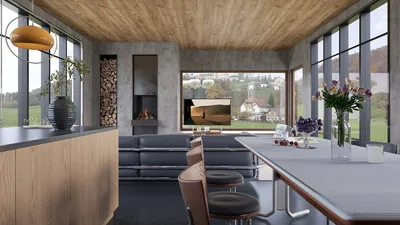


Creating a small banquet hall that radiates elegance, spaciousness, and readiness for events hinges on meticulous attention to detail—specifically in areas like proportion, lighting, circulation, and sound management. My approach to designing intimate banquet spaces involves orchestrating how guests will arrive, socialize, dine, and celebrate, with every component scaled accordingly to minimize visual clutter and maximize comfort. To streamline this process, tools like Homestyler can be employed effectively.
Maintaining comfort should be a top priority, even in compact settings. Research from Steelcase indicates that spaces which harmonize density with clarity of movement enhance perceived comfort and functionality, even in smaller venues. The WELL v2 standards further establish quantifiable goals for auditory, visual, and air quality that influence guest satisfaction and endurance at events—these include managing glare, optimal reverberation times, and supportive lighting conditions. By adhering to these parameters, smaller venues can definitely achieve the performance of larger spaces.
Lighting and sightlines are crucial for creating an illusion of space. The Illuminating Engineering Society (IES) suggests maintaining lighting levels of approximately 100–300 lux in lounge areas and higher at 300–500 lux for dining setups, with adjustable lighting options for ceremonies and speeches. By ensuring uniform vertical illumination across walls and people, the banquet hall can appear more spacious and inviting.
Initial Planning: Circulation, Ratios, and Versatile Areas
My design process starts with a clear zoning diagram that outlines entry and pre-function zones (like receptions), main gathering spots (for seating and dining), focal points (like stages for ceremonies), and service routes. Often, a small hall's pre-function space can also serve as a photography area or dessert station. When creating layouts or testing seating arrangements, employing a user-friendly room layout tool can provide insight into maximizing capacity without sacrificing clear aisles and access compliance.
Aim for targeted spatial allocations: 60–65% designated for seating, 10–15% for dance or focal areas, and the remaining 10–15% divided between pre-function and service or AV areas. Ensure that primary circulation routes measure 48–60 inches, with secondary routes reaching a minimum of 36 inches. Utilizing banquette-style perimeter seating and varying table sizes (like 48–54 inch rounds alongside slim rectangles) significantly increases seating capacity. Tightly packed round-only seating arrangements should be avoided in favor of hybrid grid layouts that enhance guest experience and service flow.
Flexible Seating Solutions
Using modular tables (such as 24x48 or 30x60 inches) allows quick transitions from ceremony seating to dinner arrangements. Stackable upholstered chairs with narrow widths (16–18 inches) help maximize space while still providing comfort. For exclusive tables, oval options should be considered as they improve sightlines and relieve congested areas.
For small weddings or corporate meetings, I suggest employing two different layouts: one for ceremonies (with rows facing forward and a 6–8 foot aisle) and another for dining (where tables are arranged diagonally to enhance spatial perception). Clearly marking switching points on the floor plan—like stage casters and compact dance flooring—can facilitate smooth and quiet transitions.
Stage Design, Backdrops, and Photograph Opportunities
In constrained halls, a large built stage can overpower the space. I recommend using a modest platform height (6–8 inches) with removable components, accompanied by a lightweight proscenium structure. Employing a textured backdrop made from materials like acoustic felt, drapes, or wood slats not only anchors photographs but also maintains a compact footprint. It's advisable to keep backdrop depth below 12 inches and brighten the space using uplighting around 2700–3000K for a warm ambiance. A singular decor element, such as a sculptural pendant or a floral arch, can substitute for cumbersome decor while keeping airflow consistent.
Layered Lighting for Enhanced Spatial Experience
Incorporate four types of lighting: ambient (via indirect sources or wall grazing), task (for buffet, podium, and service areas), accent (focused lighting for centerpieces and artwork), and decorative (in the form of pendants or chandeliers). General lighting should be maintained at 300–400 lux during setup and lowered to 150–250 lux during dining, with additional 30–50 lux for key focal points. Warmer color temperatures (2700–3000K) are flattering to skin tones, with a tunable range up to 3500K ideal for corporate settings.
It’s vital to address glare, as it can undermine the intimacy of the event. Employ shielded downlights, and ensure the Unified Glare Rating (UGR) is below 19 in audience areas; wide-beam wall washers can help balance luminance. If budgets allow, invest in DMX or DALI systems for easy scene settings tailored for ceremonies, dining, or receptions. To enhance lighting comfort, follow IES guidelines when selecting fixtures and planning control methods.
Understanding Color Psychology and Material Selections
For smaller venues, soft neutral tones with subdued visual noise create a calming environment, permitting brand or event colors to stand out. Shades of blue and gentle greens can alleviate stress and the sensation of confinement, supporting findings from color psychology research regarding the peacefulness of cooler colors on focus and arousal. Matte or eggshell finishes are recommended to reduce glare in photographs.
Selecting flooring with high-density carpet tiles featuring cushion backing can boost speech clarity by curtailing reverberation. For dance requirements, consider an inset wood or LVT area that simultaneously serves as a ceremony platform. Acoustic wall panels made from PET felt or micro-perforated wood provide both texture and sound absorption. Choose durable, low-VOC materials, as the WELL v2 framework outlines practical standards for emissions and adequate ventilation.
Achieving Acoustic Comfort in Smaller Spaces
In compact halls, sound can escalate quickly. Strive for a reverberation time (RT60) target of around 0.6–0.9 seconds to ensure clarity during speech. Use ceiling clouds positioned above the seating area alongside distributed wall absorbers (NRC 0.7+) and consider bass traps at corners if live music is a regular feature. It’s effective to space absorption evenly rather than focusing it solely on one surface, preventing the occurrence of flutter echo. Maintain background HVAC noise at a level between NC 25 and 30 during ceremonies for optimal experience.
Efficient Storage, Back-of-House, and Service Routes
The success of multi-event spaces often hinges on service pathways. I outline two distinct routes: one for guest circulation and one for staff. Concealing staging elements with furniture that can convert into bars or gift tables increases utility; incorporating shallow storage along a wall (24–30 inches deep) can accommodate chairs, table linens, and lighting equipment. Magnetic panels or retractable screens can effectively hide AV systems. If off-site catering is utilized, designate a clean area equipped with hand-washing stations and power outlets to streamline meal plating and buffet organization.
Creating a Brand Identity through Signage and Customization
A small banquet hall benefits from an identity that can adapt to various types of events without being tied to a single style. Opt for neutral, timeless base finishes and allow for programmable LED lighting, removable ceiling features, and magnetized wall fixtures for dynamic backdrops. Having digital signage at entryways can alleviate congestion while supporting different occasions like weddings or conferences, all without the need for constant reprinting. By maintaining a restrained house palette, event decor like flowers and linens can take center stage.
Electrical, AV, and Photography Considerations
Plan for electrical outlets every 10 to 12 feet along perimeter walls, along with floor boxes near the focal area. It’s prudent to install two dedicated 20A circuits for entertainment purposes and a separate circuit for any projectors or LED displays to minimize interference. Conceal cable runs with flush-mounted grommets for a clean look. For optimal photography conditions, blend soft wall lighting with a key light positioned opposite the backdrop, and utilize CRI 90+ bulbs to maintain natural skin tones.
Design Templates for Smaller Banquet Spaces
- Ceremony-first: Accommodate 80–120 guests with straight rows and a 6–8 foot aisle, converting to diagonal rounds for the dining phase.
- Social dining: Use perimeter banquettes combined with 30x60 tables arranged in a staggered layout; leave a central area clear for toasts or the first dance.
- Hybrid conference: Employ narrow rectangles in classroom format during the day and reconfigure them into communal tables for evening receptions. Utilize interior layout planners to quickly validate different configurations and ensure ideal sightlines.
Sustainable Practices and Operations
Employing energy-efficient LED lighting, occupancy sensors for back-of-house, and comprehensive dimming systems can significantly reduce energy usage and prolong bulb life. Choose durable fabrics that can withstand cleaning to accommodate quick transitions between events. Use water-based finishes and FSC-certified timber to align with modern sustainability objectives and minimize odors during tightly scheduled events.
Final Touches for Creating a Grand Atmosphere in Compact Spaces
- Integrate mirrored or metallic accents judiciously to enhance depth perception along far walls.
- Hang drapery 2–4 inches away from walls to create shading and texture.
- Ensure centerpieces are kept low (under 12 inches) or high (over 24 inches) to maintain clear lines of sight.
- Establish one focal feature to anchor the room's aesthetic, such as a striking pendant light, textured acoustic wall, or a unique mobile installation above the dance area.
Frequently Asked Questions (FAQ)
Q1: What is the optimal guest capacity for a small banquet hall?
A: Most compact halls can accommodate anywhere from 60 to 150 guests, depending on the arrangement of tables, accessibility, and service style. Hybrid layouts can enhance capacity without compromising flow.
Q2: How much lighting is necessary for dining and photography?
A: Aim for 300–500 lux for dining, while adjusting dimming down to 150–250 lux for toasts and ambiance. Incorporate accent lighting for centerpieces and a gentle key light at the photography backdrop. IES guidelines can provide specific recommendations for task and ambient lighting ranges.
Q3: What colors can help a small hall appear more spacious?
A: Mid-light neutral colors enriched with cool undertones can create the illusion of extending walls. Reserve vibrant colors for decorating elements to prevent cluttered visuals.
Q4: How can I ensure sound control during speeches?
A: Pursue a reverberation time (RT60) between 0.6 to 0.9 seconds through the strategic placement of ceiling sound absorbers and wall panels (NRC 0.7+). Maintain HVAC background noise around NC 25–30 and consider using cardioid microphones to minimize feedback issues.
Q5: Are round or rectangular tables better suited for tight spaces?
A: A mixed approach works best; rectangular tables optimize capacity and serve access, while smaller rounds (48–54 inches) facilitate conversation. Arranging tables diagonally can also enhance visual depth.
Q6: What is the recommended minimum aisle width?
A: Aim for primary aisles of 48–60 inches to allow for service and emergency access, with secondary aisles maintaining a minimum of 36 inches. Wider pathways are preferable near buffet and bar areas.
Q7: How can I create a stage that complements the room's size?
A: Consider a low, modular stage (height of 6–8 inches), paired with a reduced depth backdrop under 12 inches and warm uplighting. This approach maintains a ceremonial presence without invading valuable floor space.
Q8: Which durable materials can also impart elegance?
A: Options like PET felt panels, performance-grade upholstery, micro-perforated wood, cushion-backed carpets, and FSC-certified wood offer a balance of durability, sound control, and sophistication.
Q9: How can quick turnarounds between events be effectively managed?
A: Employing modular furniture, hidden storage solutions, and pre-connected AV equipment can significantly lower reset times. Timed lighting settings and easy-to-set-up dance floors ensure rapid, consistent transitions.
Q10: What is a strategic approach to power and AV planning for small halls?
A: Position outlets every 10–12 feet along the perimeter, with dedicated 20A circuits for entertainment and floor boxes placed near activity zones. Conceal cable routes with flush grommets for a streamlined look.
Q11: How can lighting adapt to cater for both weddings and corporate functions?
A: Incorporate tunable white lights (ranging from 2700K to 3500K), programmed scene controls, and layered lighting options to transition seamlessly from cozy dining atmospheres to well-lit presentations without needing fixture adjustments.
Q12: What tips can help enhance photography outcomes in a small venue?
A: Control glare using matte finishes, select CRI 90+ light bulbs, and maintain a soft frontal key light positioned at the photography area to avoid harsh shadows and ensure pleasing results.
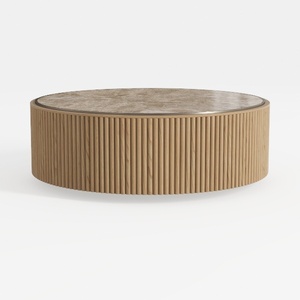
Modern Fluted Solid Wood Marble Top Round Coffee Table 3D Model


Modern Rattan Solid Wood Linen Upholstered Chaise Lounge 3D Model
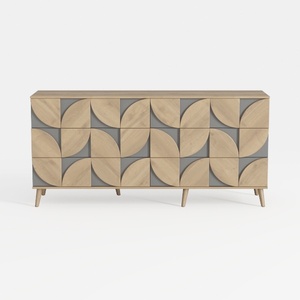
Modern Geometric Pattern Solid Wood Sideboard Cabinet 3D Model
Homestyler is your go-to online design platform! It offers an intuitive design tool, impressive 3D rendering capabilities, a wealth of design projects, and DIY video tutorials. Whether you're a beginner or a pro, Homestyler makes it easy to turn your design dreams into reality. Give it a try!
Progetta ora GRATIS
































