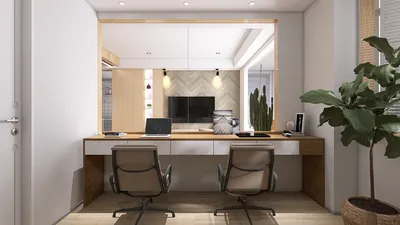


Creating dining rooms that exude warmth, ease, and elegance is my goal. An effectively designed washbasin cabinet positioned near the dining space enhances hygiene and promotes seamless hosting, all while maintaining visual appeal. Achieving this balance involves carefully selecting materials, optimizing lighting, ensuring ergonomic comfort, and managing acoustics, allowing the wash station to naturally complement the dining experience. One useful tool for this design process is Homestyler, which aids in visualizing your layout.
The act of washing hands before meals is a key habit, but the design and accessibility of a washbasin can significantly influence its use. According to the WELL v2 guidelines, it's crucial to provide sinks that are easily reachable and support hygienic practices within a healthy living environment. The International WELL Building Institute emphasizes that convenient hygiene locations correlate with a decrease in contamination risks. Research by Steelcase reveals that when sinks are located within a quick walking distance of tables—around 10 to 20 seconds—using them becomes more common, significantly reducing kitchen traffic. My designs for dining wash stations prioritize visibility and easy access, enhancing compliance without disrupting the room's flow. For lighting standards around task areas, I often refer to the Illuminating Engineering Society (IES), which provides criteria for mitigating glare and ensuring adequate illumination around sinks. Typically, I adjust lux levels to meet task requirements, aiming for around 300–500 lux at the basin for optimal visibility without harsh lighting effects.
The interplay of color and emotion is vital in my design choices. Research from Verywell Mind explains that shades of blue and green can evoke feelings of calmness and cleanliness, while warm neutral hues enhance the sense of welcome. In dining rooms, I steer clear of stark whites unless softened with textures like natural wood or brushed metals. Small accents—such as matte brass handles, linen panels, or honed stone—infuse warmth and sophistication into the washbasin cabinet, keeping it in harmony with the overall ambiance of the room.
Key Design Principles for Washbasin Cabinets in Dining Rooms
I begin my process with circulation in mind. It's essential for guests to access the basin without obstructing the main serving path. Ideal placements often include a sidewall niche, a corner adjacent to a buffet console, or a subtle alcove at the dining entry. Utilizing a room layout tool like Homestyler can effectively visualize these traffic patterns and reveal how door swings might affect movement.
Considerations of height and reach are crucial as well. Generally, the basin rim height ranges from 32 to 34 inches (81 to 86 cm) in residential spaces, but for universality, I recommend heights between 31 to 33 inches (79 to 84 cm) while ensuring sufficient knee space for seated users. Single-lever faucets are my preference for ease of operation and reducing water waste. In homes where gatherings are common, employing sensor faucets minimizes touchpoints and maintains cleanliness.
Cabinet Styles That Harmonize with Dining Areas
- Sideboard-integrated basin: Conceal the basin within a buffet-style cabinet featuring lift-up or pocket doors. The surface serves as a serving area, while the basin is strategically placed to prevent splashes on platters.
- Tall niche cabinet: A full-height unit with a recessed basin and integrated mirror allows for quick handwashing and final appearance checks before dining. Employ layered lighting, including downlights and vertical sconces, to eliminate shadows.
- Minimal wall-mounted console: A floating basin cabinet reduces visual weight and simplifies cleaning. Adding a narrow shelf underneath provides storage for towels and sanitizer.
- Hidden sliding reveal: A deep cabinet with a sliding tambour door discreetly hides the wash station when not in use; this is particularly beneficial for formal dining settings. Ensure adequate ventilation to prevent excess humidity.
Choosing Materials and Finishes
I prefer materials that blend durability with elegance suitable for dining areas. Options like engineered quartz or sintered stone surfaces resist stains from wine and sauces, while matte ceramics or stone basins minimize glare and hide fingerprints. For cabinetry, rift-cut oak, walnut veneer, or moisture-resistant painted MDF material is well-suited for high-moisture areas. Hardware in finishes like brushed brass or blackened steel pairs beautifully with modern dining setups.
Sustainability is a key factor in my material selection. Options like low-VOC finishes, FSC-certified woods, and water-efficient faucets (1.0 to 1.5 gpm) lower environmental impacts. When choosing composites, I advise checking for formaldehyde-free specifications and considering removable panels for easy maintenance.
Lighting, Glare Control, and Ambience
Given that the basin functions as a task zone, I aim for lighting levels of 300 to 500 lux on the countertop, paired with a color temperature of 2700 to 3000K to maintain a warm atmosphere. It's best to avoid exposed downlights directly above mirrors, which create harsh shadows; instead, employing diffuse vertical lighting or shallow backlit panels is recommended. Dim-to-warm fixtures can help create a softer atmosphere during mealtime while still allowing sufficient brightness for hygiene tasks.
Considerations of Ergonomics and Human Factors
The cabinet should be designed for quick, intuitive accessibility. Keeping towels within a natural reach (15 to 20 inches from the faucet's centerline) is essential. Including a shallow drawer or open shelf for tissues and hand sanitizer can enhance functionality. If children or elderly guests frequent the dining area, I advocate for soft-close mechanisms, rounded corners, and anti-slip mats. A basin depth of 4.5 to 6 inches is ideal to prevent splashes while retaining comfort.
Managing Acoustics and Water Sound
Restaurants often invest in techniques to mask disruptive sounds. In residential dining spaces, loud faucets can interrupt conversations. Installing aerated faucet heads reduces noise, while using a dense, under-mounted pad can mitigate water sound. If the cabinet is adjacent to a shared wall, incorporating acoustic backer boards or mineral wool can help decrease plumbing noise transfer.
Storage Solutions and Hygiene Integration
I recommend designing a hygiene kit into the cabinet, including spare towels, hand soap, sanitizer, and a discreet trash bin. Utilizing a pull-out compartment with a seal can help manage odors. For households prone to spills, a compact cleaning caddy tucked away behind a door allows for quick response without stepping out of the dining area.
Understanding Color Psychology for Dining Comfort
Colors like soft greens and muted blues evoke cleanliness and tranquility; warmer tones such as taupe, camel, and terracotta introduce coziness. I often mirror the colors found in dining chair upholstery or drapery on the cabinet's front to foster visual harmony. For monochromatic dining settings, textures—like reeded panels, fluted stone, or ribbed metal—are useful to introduce depth without overwhelming color.
Placement Strategies and Spatial Ratios
A good rule of thumb is to maintain a 36 to 42 inch clear route to the basin, preventing guests from bumping into chairs. Additionally, position the basin at least 24 inches from primary serving areas to avoid splash interference. When modeling different scenarios, like corner niches versus sideboard integrations, tools like Homestyler can assist in testing clearances and door swing efficiencies before making final decisions.
Design Trends for 2024–2025 for Dining Wash Stations
- Warm minimalism: Emphasizing slender profiles, rounded edges, and matte finishes in earth-inspired tones.
- Integrated technology: Features such as sensor taps calibrated for low flow, dimmable task lighting, and hidden power supplies for water purifiers.
- Textural contrasts: Pairing fluted surfaces with honed stone and softer metallics.
- Hybrid sideboard basins: Cabinets designed to serve dual purposes for storage and concealed washing stations.
- Wellness-oriented details: Incorporating antimicrobial pulls, touchless soap dispensers, and surfaces that are easy to clean, inspired by the principles of WELL certifications.
Installation Guidance
Collaborating with a licensed plumber ensures that supply and drain lines are properly placed in the dining area, ideally within shared walls of kitchens or powder rooms. It's essential to include an accessible shut-off valve within the cabinet for maintenance purposes. Humidity ventilation is important, especially in cabinets with doors. In settings that anticipate heavy use, positioning a small floor drain can be beneficial.
Maintenance and Longevity Tips
It's advisable to seal stone countertops annually when necessary, wipe down metals with a mild cleaner, and inspect faucet aerators every 6 to 12 months. Replacing worn caulk lines is crucial for maintaining cleanliness. In homes with high foot traffic, consider removable front panels that can refresh finishes without the need for full cabinet replacement.
Frequently Asked Questions (FAQ)
The ideal location is near an entry or sidewall niche, within a 10 to 20 second walk from the dining table. Maintain a 36 to 42 inch clear path and avoid obstructing primary serving areas.
Focus on achieving 300 to 500 lux while maintaining a warm color temperature of 2700 to 3000K. Utilize vertical, diffuse lighting sources to prevent shadows at the mirror.
I suggest using materials like engineered quartz or sintered stone for countertops; matte ceramic or stone for basins; and moisture-resistant cabinetry with robust finishes.
To manage noise, incorporate aerated faucets, under-sink soundproofing pads, and add acoustic barriers behind the cabinet if it's positioned against a shared wall.
Absolutely. These fixtures reduce the number of touchpoints, enhance hygiene, and lower water usage when optimized for low-flow functionality.
The typical rim height for a basin is around 32 to 34 inches; however, for wider accessibility, consider 31 to 33 inches, ensuring knee space where necessary.
Incorporate pocket or tambour doors, or opt for a floating console featuring minimalistic design elements, ideally matching the cabinet finish to that of the dining furniture.
Shades of soft greens and delicate blues signify cleanliness, while warm neutrals contribute to a hospitable atmosphere. It's beneficial to integrate texture for an inviting aesthetic, preventing a stark, sterile look.
Essential items to include are a towel shelf, hand soap dispenser, sanitizer, and a discreet trash bin. A pull-out cleaning caddy simplifies quick access during events.
For enclosed cabinets, discreet venting or small grilles can help reduce moisture build-up and odor issues.
Indeed. Positioning plumbing along shared walls streamlines installation, cuts costs, and makes access for maintenance easier.
Utilize a layout simulation tool such as Homestyler to visualize clearances, door swings, and traffic patterns before finalizing dimensions with your contractor.



Homestyler is your go-to online home design platform. With its user-friendly design tool, stunning 3D renderings, and a wealth of design projects and video tutorials, you can effortlessly transform your space into your dream home. Perfect for both beginners and seasoned designers!
今すぐ无料でデザイン
































