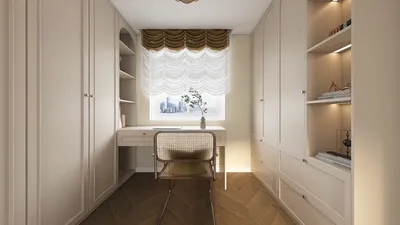


Having designed numerous consultation rooms for clinics, counseling practices, and corporate health settings, I understand the importance of creating spaces where individuals feel secure enough to share personal stories and make significant decisions. An effectively planned consultation room incorporates elements such as sound privacy, visual tranquility, ergonomic comfort, and an intuitive flow that facilitates communication. This environment directly influences interactions, from initiating conversations to ensuring that clients leave with clear next steps.
Key data points can inform these design choices. The WELL Building Standard (WELL v2) emphasizes how sound privacy and background noise management can alleviate stress while preserving confidentiality. Moreover, well-certified environments that enhance acoustic comfort are linked to increased concentration and decreased cognitive load. Research from Steelcase reveals that 85% of employees express a need for environments conducive to confidentiality and focus, underscoring the significance of quiet consultation rooms in promoting workplace productivity. Regarding lighting, I adhere to IES recommendations, suggesting that task areas should have around 300-500 lux of light with managed glare, while nearby ambient spaces should maintain a softer illumination to foster a calming atmosphere.
The influence of color and psychological impact cannot be overlooked. According to Verywell Mind, colors such as soft blue and green can help lower heart rates and evoke a sense of stability. At the same time, muted warm neutrals create warmth without overwhelming stimulation. These color schemes are particularly effective in medical or counseling settings, where they promote trust and reduce anxiety, especially when complemented by natural materials and biophilic elements.
Planning Room Layout: Ensuring Flow, Privacy, and First Impressions
The layout of a room sets the stage for the first impression within seconds of entry. I ensure that door swings do not obstruct sightlines into seating areas, allowing newcomers to enter without feeling exposed. When a room serves multiple functions—like brief intake, extended discussions, and quick documentation—I strategically use furniture and lighting to delineate micro-zones instead of erecting walls. Utilizing a room layout tool, such as Homestyler, simplifies the process of simulating sightlines, circulation routes, and ensuring access for everyone.
Seating Arrangements: Promoting Comfort Without Creating Confrontation
Direct face-to-face seating is not always the most comfortable setup. I prefer to arrange chairs at a slight angle—between 15 and 30 degrees—maintaining a distance of approximately 1.2 to 1.5 meters for counseling interactions and 1.0 to 1.2 meters during clinical discussions, depending on the size of the room. This configuration minimizes perceived confrontation and enhances peripheral vision. For counseling, I opt for armless lounge chairs, whereas adjustable task chairs are more suitable for frequent paperwork or screen sharing in medical and financial consultations. For cases involving two clinicians or a guardian, a secondary chair should be slightly recessed to alleviate pressure on the primary guest.
Desk or No Desk? Identifying the Appropriate Focal Point
A bulky desk can act as a psychological barrier. During therapy sessions or sensitive HR discussions, I recommend using a small conversation table—preferably round or softly rectangular, around 600-800 mm in width—allowing just enough space for notes and drinks. In medical consultations, a compact desk with a mobile monitor arm is ideal for pivoting the screen for shared viewing, then adjusting it back for eye contact. Importantly, ensure legroom is free from obstructions, as desk frames or storage cabinets can become distractions during discussions.
Creating Layered Lighting: Promoting Relaxation and Focus
To avoid eye fatigue from harsh overhead lighting, I design rooms with three layers of lighting: ambient (indirect ceiling or wall wash), task (adjustable lamp near the documentation area), and accent (soft illumination highlighting artwork or plants). I aim for approximately 300-500 lux at work surfaces, 200-300 lux in seating areas, while keeping glare under a UGR of 19 for comfort during screen use. A warm to neutral-white color temperature (3000-3500K) maintains clarity while creating a relaxing environment. It’s best to avoid downlights directly overhead; instead, place fixtures at angles and utilize diffusers to soften any shadows.
Ensuring Acoustic Privacy: Creating a Sound-Proof Environment
True privacy relies on layered soundproofing measures. I implement acoustic door seals, soft-close mechanisms, and high NRC-rated materials for wall panels and ceiling tiles (NRC ~0.70+ for small environments). Utilizing dense rugs, upholstered seating, and a bookcase or fabric-covered pinboard further helps absorb sound. In facilities where Protected Health Information (PHI) or legal discussions take place, discreet sound masking in adjoining corridors can prevent conversations from being overheard. It's crucial to position the primary seating away from shared walls or elevator shafts to reduce intrusive noise.
Materials and Tactile Qualities: Balancing Cleanability and Warmth
People do take notice of what they feel. I strike a balance between performance materials—such as bleach-cleanable or hospital-grade fabrics where necessary—and warmer textures, like boucle or soft woven finishes on chairs, along with solid wood or matte laminate surfaces featuring rounded edges and low-VOC coatings. Areas requiring frequent cleaning, such as armrests and tabletops, must be selected for durability and easy maintenance. If a sink is included, it should be discreetly positioned away from the seating area to avoid clinical associations during sensitive discussions.
The Impact of Color Psychology: Creating Subtle Palettes and Visual Harmony
In terms of calming colors, soft greens and muted blues provide stability. I incorporate a single accent color of low saturation—like terracotta, muted mustard, or dusty blush—and repeat it once through items such as a cushion or a picture frame, which creates visual rhythm without overwhelming. It's essential to avoid high-contrast patterns that might disrupt the calm atmosphere. Including nature-inspired artwork or textured pieces with horizontal elements can diminish perceived intensity during challenging conversations.
Understanding Ergonomics: Designing for Extended Sessions
Consultation sessions can extend beyond 45 minutes. Chairs should adequately support lumbar curvature, maintain heights of 430-460 mm, and allow for micromovements. For documentation tasks, monitors need to be aligned approximately 15 degrees below eye level while keeping input devices within a comfortable reach, allowing for forearm support to ease shoulder strain. If the space holds immediate back-to-back sessions, I incorporate a perch stool or set up a sit-stand option to help consultants reset their posture.
Managing Storage, Technology, and Reducing Clutter
Excess clutter can heighten stress levels. I design concealed storage areas for forms, samples, and cleaning supplies, along with cable management systems that run through modesty panels or floor boxes. A small wall-mounted shelf near the entrance can house business cards or brochures, which helps keep the table clean. For telehealth consultations or when screens are utilized, adding acoustic backing behind the monitor and neutral visuals—rather than a blank white backdrop—creates a warm, professional feel.
Facilitating Accessibility and Inclusivity
Ensuring proper door width, adequate turning radius, and comfortable reach ranges significantly influences the overall layout. I advocate for maintaining a turning circle of 1.5 meters where feasible, ensuring tables are at heights that are easily manageable, and positioning controls at accessible locations. Contrasting edge detailing on tables and floors benefits those with low vision, while closed captioning-enabled displays enhance inclusive communication. Providing flexible seating options—one firmer, one softer—caters to different comfort preferences.
Incorporating Biophilic Elements and Micro-Rest Areas
Incorporating elements such as plants with soft, rounded leaves, a small water feature just outside the room, or natural textures can help ease stress. While daylight is optimal, not all rooms have windows; in such cases, I rely on indirect, warm-toned cove lighting and a nature-themed art piece to create a restorative effect.
Prioritizing Safety, Boundaries, and Subtle Security Measures
For sensitive discussions, maintaining clear escape routes and positioning consultant seating to ensure a stable view of the door can foster a sense of safety for all parties involved. Locking storage provides security for personal items and sensitive documents. It's important to avoid obvious surveillance indicators; instead, focus on incorporating access control at the suite level paired with acoustic privacy measures at the room level.
Strategies for Small Rooms
In compact spaces (less than 10 m²), I opt for vertical storage solutions, select slim-profile chairs, and favor round tables to facilitate movement. Wall-mounted lighting helps to conserve floor area, and a mid-tone wall color creates a sense of openness compared to stark white.
Maintaining Appearance: Refresh Protocols for the Space
Usage can result in wear and tear. I advocate for specifying durable, easily replaceable fabrics for seat cushions, establishing cleaning schedules, and opting for modular acoustic panels that can be replaced with minimal downtime. Consistency in touchpoints—such as door handles and light switches—across rooms is crucial to minimize user confusion.
Citing Authoritative References
For criteria regarding acoustic and lighting specifications, I ensure compliance with WELL v2 guidelines that focus on comfort, as noted on wellcertified.com, alongside the Illuminating Engineering Society’s recommendations at ies.org/standards. Insights into privacy and behavior are sourced from Steelcase workplace research (steelcase.com/research), ensuring our planning aligns with measurable outcomes.
Frequently Asked Questions
Aim for approximately 300-500 lux at task surfaces and 200-300 lux in seating areas, while managing glare and maintaining a color temperature around 3000-3500K to support comfortable reading and natural conversations.
Position chairs at an angle of 15-30 degrees instead of directly across from one another. Maintain a distance of 1.2-1.5 meters for counseling sessions, and a closer distance for clinical discussions. This arrangement lessens perceived pressure while facilitating natural eye contact.
Merge door seals with high-NRC panels (≈0.70+), soft finishes, and thoughtful spatial layouts. Incorporate sound masking in corridors when speech intelligibility could be a concern. Position primary seating away from shared walls.
In therapeutic or HR discussions, a small round table diminishes barriers. For medical or financial meetings, a compact desk with a mobile monitor arm enables shared viewing while maintaining eye contact.
Opt for soft blues and greens to create a calming atmosphere; warm neutral tones promote approachability. Use one muted accent color sparingly for visual rhythm and avoid busy, high-contrast patterns.
Incorporate cable management solutions, a monitor arm that can pivot towards guests, and acoustic backing positioned behind screens. Ensure that equipment is stored away and surfaces remain clutter-free to prevent a clinical appearance.
Select chairs with a height of 430-460 mm that support lumbar features, along with adjustable arms on task chairs. Place monitors at around 15° below eye level, ensuring easy access for input devices. Include perch stools for the consultant’s posture change.
Maintain a clear turning radius of about 1.5 meters wherever feasible, ensure the door width is adequate, and place controls within reach. Use contrasting edges to benefit low-vision patrons, providing a variety of seating firmness options.
Opt for round tables, slim chairs, wall-mounted lights, and vertical storage. Choose a mid-tone wall color to create a more open feel in tight spaces.
Establish routines for periodic replacement of fabrics on cushions while scheduling deep cleaning sessions. Make use of modular acoustic panels that can be quickly replaced, and ensure consistency in touchpoints across rooms for user ease.

2PCS Upgraded Leather Cushion Dining Chair Set

Casual Home 230-02/021-72 30" Black Frame-Lime

NDRAC031X Inlaid Arm Chair
For anyone looking to transform their home, Homestyler is a must-try! This online design platform offers an easy-to-use design tool, stunning 3D renderings, and a wealth of DIY video tutorials. Explore your creativity and bring your interior design visions to life effortlessly!
Progetta ora GRATIS
































