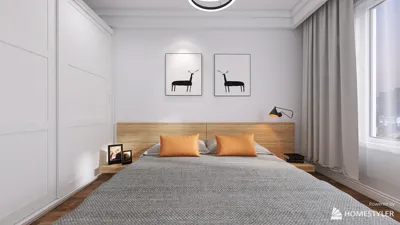


Engaging activity rooms create a vibrant yet balanced atmosphere: they become spaces where puzzles, crafts, gaming sessions, workouts, and intimate gatherings blend seamlessly without overwhelming visual clutter. In my design approach, achieving this balance involves fine-tuning the lighting, delineating the spatial layout, and selecting robust, tactile finishes that encourage interaction. Studies support the significance of these elements—Steelcase indicates that environments accommodating diverse postures and tasks can enhance perceived productivity and wellbeing, while the WELL v2 Light concept highlights the importance of circadian-friendly lighting and glare management for comfort and alertness.
Before deciding on paint colors or recreational furniture, focus on essential measurable factors. The Illuminating Engineering Society suggests aiming for 300–500 lux in multipurpose areas to harmonize clarity and comfort; I generally set the lighting at around 500 lux for craft tables and maintain about 200–300 lux in lounge areas, accentuated with warm tones in the 2700–3000K range. Color also influences behavior: saturated reds can increase energy levels, while blues and greens foster tranquility and concentration. Armed with these guidelines, you can adeptly stage light and color to signal activity without being overwhelming. For more information, refer to WELL v2’s Light overview along with IES standards for task illuminance.
Create Flexible Zones for All-Day Use
Segment the space into three or four designated zones—active play, focused creation, social lounge, and a storage area that allows for easy access. Position dynamic activities near open floors and resilient surfaces, while placing concentrated areas in spots where natural light can be effectively controlled. When evaluating furniture arrangements or foot traffic, utilizing an interior layout planner can streamline adjustments, enabling you to visualize clearances and circulation while understanding how a folding table can be incorporated without obstructing pathways: room layout tool.
Lighting That Works in Harmony with the Space
Integrate three types of lighting: (1) ambient light through dimmable overhead fixtures to achieve your base lux requirements; (2) task lighting with a high Color Rendering Index (CRI of 90+) for crafting and gaming tables; (3) accent lighting to warm up corners and highlight shelving. Ensure that the correlated color temperature (CCT) remains consistent across zones to prevent visual fatigue—cooler tones (3500–4000K) near exercise or games areas, while warmer tones (2700–3000K) should be used in reading spaces. To reduce glare, avoid having exposed bulbs in sightlines from seated areas and consider matte finishes on surfaces to minimize reflections.
Purposeful Color Psychology
Utilize color strategically to convey intent without fragmenting the overall space. A mid-tone neutral backdrop (soft greige or muted sage) provides a versatile foundation for various accent colors. Infuse lively hues in limited areas—like vibrant red on a pegboard or yellow upholstery on seating—where activities are heightened. Calm tones of blue and green can be utilized in focus areas and reading nooks. Keep ceilings slightly lighter to create an illusion of height and anchor darker floors to conceal scuffs and toy trails.
Furniture: Versatile, Modular, and User-Friendly
Select furniture that accommodates mixed ages and varying postures. I opt for: nested tables that seamlessly transition from crafting surfaces to buffets; lightweight, stackable chairs with curves supportive for lumbar health; ottomans equipped with low-friction glides for quick reconfigurations; and foldable treadmills or rowers if fitness is a focus area. For children's furniture, prioritize rounded edges, stable bases, and easily cleanable textiles. For adults, at least one ergonomic task chair at the standard height is essential for detailed activities or prolonged board games. Furniture with casters should have brakes and soft wheels to protect hard flooring.
Storage Solutions for Effortless Play
Incorporate storage into the spatial design. A wall-length combination of closed cabinets below and open cubbies above provides concealment for clutter while ensuring essentials are always accessible. Utilize color-coded bins to categorize items (crafts, STEM kits, games), and include a shallow drawer for board games to prevent warping. A ceiling-height pegboard or slatwall placed near the entrance can serve as an accessible tool zone for paddles, yoga mats, or VR gear. Discreet labeling is key; the aim is to facilitate quick resets after intense usage.
Achieving Acoustic Comfort in Energetic Spaces
Activity rooms can often become quite loud. Aim for a harmonious sound environment by incorporating: area rugs with thick underlays, felt wall panels positioned behind primary tables, upholstered seating in lounge areas, and hardware that soft-closes. For rooms decorated with ample glass or hard surfaces, consider installing a fabric-wrapped acoustic cloud over the central activity zone to minimize echo. Keep speakers away from corners to eliminate distortion and use soft seals or door sweeps to diminish sound leakage into adjoining spaces.
Material Selections: Resilient, Easy to Clean, and Eco-Friendly
Surfaces should resist stains from markers and food spills. I recommend high-pressure laminate or durable wood veneer with a matte finish for tables, performance fabrics that are solution-dyed for seating, and low-VOC paints. Cork or rubber flooring provides shock absorption and slip-resistance in active zones; for multipurpose areas, a tough LVP with sound-absorbing underlayment works well. Include a washable cotton or wool rug in areas that need warmth. Whenever feasible, favor GREENGUARD-certified materials and FSC wood to minimize emissions and promote responsible sourcing.
Light, Views, and Circadian Rhythm
If your windows allow for ample daylight, manage it effectively with dual-layer shades—sheer for day glare reduction, and blackout for movie nights or immersive experiences. Position screens perpendicular to windows to limit reflections. A straightforward rule is: keep task surfaces evenly lit, while vertical surfaces should be softly brighter than the floor to enhance visual comfort and depth.
Balancing Spatial Ratios and Visual Harmony
Ensure a clear circulation path of at least 36 inches to allow for easy movement between zones without collisions. For visual interest, gather small items into curated displays—such as a single shelf for trophies and crafts—rather than scattering them throughout. Large furniture (sofas, storage units) should remain in calming color palettes, allowing smaller decor pieces to introduce vibrant accents. For lower ceilings, consider vertical stripes or tall bookcases to elongate the appearance of space; conversely, if the ceiling is high, hang a pendant light 28–34 inches above the main table to centralize the composition.
Integrating Technology Without the Clutter
Plan for power access early in the design process. It is advisable to include floor outlets or a low-profile wireway beneath the main table to keep cords organized. Mount a short-throw projector to reduce shadowing issues and opt for gaming consoles or streaming devices that can be well-ventilated within a cabinet outfitted with mesh or slotted fronts. Designate charging drawers for controllers, tablets, and headsets; include a small tray for organizing items like dice, remotes, and card decks to facilitate easy resetting.
Prioritizing Safety and Accessibility
Secure tall storage units to wall studs, cap unused electrical outlets with tamper-resistant covers, and place fragile items above 48 inches in family-oriented areas. Use contrasting edge tape on steps and ensure at least one surface remains between 28–34 inches high for accessibility during tasks. Opt for lever handles over traditional knobs for easier use, and select soft, rounded hardware to minimize injuries in tighter spaces.
Layout Suggestions for Popular Activity Profiles
For gatherings of 8–10 people, consider an extendable table with a dimmable linear pendant above, complemented by two task lamps, a wipeable sideboard featuring shallow game drawers, and a felt pinboard for ongoing projects. Use medium-toned flooring and include a patterned wool rug beneath the table to enhance acoustic control.
Include a rubber or cork zone for exercise equipment, ensure ventilation in the cabinetry, and use blackout shades. A wall-mounted display with an anti-glare screen, along with LED strips at 4000K along the baseboard, will provide safe navigation during evening sessions.
Opt for low open cubbies, use washable slipcovers, and select round-edge tables, complemented by a bright accent wall that balances a neutral field. Add a washable rug with a subtle grid pattern that can double as a play mat for various activities.
Process for a Seamless Build-Out
Take measurements, create mock-ups with tape, and test layouts using an interior layout planner prior to ordering your furniture. Verify lighting circuit loads and the compatibility of dimmers, choose finishes collectively on a large sample board under the room’s actual lighting conditions, and incorporate storage labels during installation to foster good habits from the outset. A layout simulation tool ensures all participants are aligned on clearances and adjacencies: layout simulation tool.
Common Questions
Q1: What is the ideal brightness level for an activity room?
A1: Target an illumination level of 300–500 lux overall, aiming for approximately 500 lux at task surfaces and 200–300 lux in lounge areas. Ensure a CRI of 90+ for true color representation during crafts and games.
Q2: What color palette fosters both energy and calmness?
A2: Begin with a neutral foundation (greige or soft sage) and introduce small doses of warm, energizing colors (like mustard or tomato red) in active zones, using cooler blues and greens in focus settings.
Q3: How can I minimize echo in a room with hard surfaces?
A3: Combine area rugs with dense pads, include fabric-wrapped wall panels, ensure upholstered seating, and—if needed—implement an acoustic ceiling cloud over the primary activity space.
Q4: What type of flooring is ideal for flexible use?
A4: LVP with acoustic underlayment provides a strong balance of durability and sound management. For higher impact zones, consider cork or rubber flooring and layer washable rugs in softer areas.
Q5: How can I arrange flexible layouts without acquiring excessive furniture?
A5: Define zones using tape and then simulate in a digital interior layout planner to assess clearances and different configurations before making any purchases.
Q6: What are the best practices for kid-friendly storage solutions?
A6: Opt for low, open cubbies equipped with soft bins; position small or delicate items above 48 inches, and incorporate soft-close hinges while securing taller units to wall studs.
Q7: What’s the optimal table design for crafts and board games?
A7: A durable surface with a matte finish at standard height (28–30 inches) and wipeable edges is ideal. Incorporate two movable task lights and either drawers or a rolling cart for supplies.
Q8: How should I organize cables for multimedia and gaming setups?
A8: Create a cabinet with ventilated fronts, utilize floor outlets or a low-profile wireway, and set aside a labeled drawer for charging controllers and tablets.
Q9: What is the recommended temperature for lights in different zones?
A9: Use 2700–3000K in lounge and reading areas for relaxation, while shifting to 3500–4000K near exercise or gaming centers to promote alertness, ensuring consistency within each zone.
Q10: How can I maintain appropriate furniture clearances?
A10: Ensure a minimum of 36 inches for major passageways and at least 24 inches for secondary pathways around tables and storage solutions.
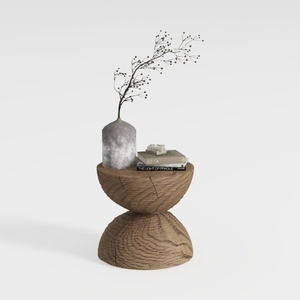
Minimalist Solid Oak Wood Side Table Unique Hourglass Shape 3D Model

Minimalist Solid Wood Tall Wardrobe Cabinet Slim Modern Design 3D Model
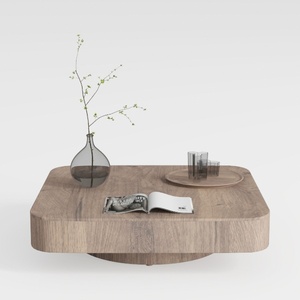
Minimalist Solid Oak Square Floating Coffee Table 3D Model
Looking to transform your home? Homestyler is your go-to online design platform! Its user-friendly design tool, stunning 3D rendering capabilities, and wealth of DIY video tutorials empower you to create beautiful spaces with ease. Dive into your next home project today!
今すぐ无料でデザイン
































