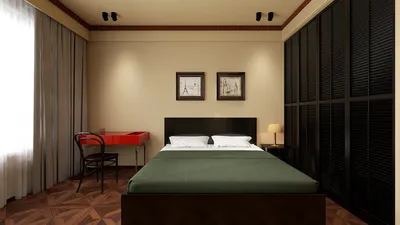


One time, I took on the challenge of installing a compact stage in a nursing home dining area because a resident was eager to perform karaoke every Thursday. This unexpected design twist taught me a valuable lesson: even small spaces can inspire grand concepts. I vividly remember drafting a quick design for a warm dining hub that also functioned as a living space and performance area. This simple transformation turned mealtimes into vibrant community gatherings.
1. Cluster seating to cultivate intimate social settings
I prefer dividing a large dining hall into smaller table clusters — accommodating 4 to 6 seats each — while ensuring that clear pathways are available for walkers and wheelchairs. This arrangement diminishes the institutional feel and fosters conversation, but it’s crucial to balance the clusters so that staff can provide efficient service.
save pin
2. Implement color and contrast for easier navigation
For residents with memory impairments, employing a simple color band on chair backs, contrasting edges on tables, or pictorial cues at eye level can empower them to find their tables independently. This approach is cost-effective yet potent. It’s essential to test colors in the dining area’s actual lighting conditions to prevent glare or muddiness.
save pin
3. Enhance acoustics and lighting for a tranquil dining experience
Hard flooring and elevated ceilings can amplify noise levels to uncomfortable levels; I’ve added sound-absorbing panels and soft pendant lighting to ease stress and allow for meaningful conversations. Coupled with versatile seating arrangements — like booths for privacy and communal tables for larger groups — residents can choose what feels best for their comfort. While this may involve a slightly higher initial investment, the reduction in agitation truly justifies the cost.
save pin
4. Focus on accessibility and smooth staff workflow
Emphasizing universal design is crucial: rounded table edges, adjustable-height tables, slip-resistant flooring, and unobstructed sightlines for staff can minimize service time and accidents. My designs frequently feature mobile serving stations to cut down on the distance staff must travel; while they require a plan for storing when not in use, they can vastly improve efficiency.
save pin
5. Merge dining with activities and natural elements
Combining meals with light activities transforms dining into a therapeutic experience — consider introducing a small herb garden table, a music corner, or seasonal craft displays. Integrating greenery and natural light establishes a comforting atmosphere, and conducting a quick 3D layout preview proved beneficial for one facility, helping them find spots for plants without compromising service paths. While it’s delightful, ensure the plants selected are low-maintenance and non-toxic.
save pin
FAQ
Q1: What is the ideal table size for nursing home dining? A: Tables designed for 4 to 6 people are best — they promote small-group interactions and are manageable with mobility aids. Larger round tables may suit communal gatherings but require wider pathways.
Q2: How can I minimize noise in a busy dining setting? A: Introduce soft finishes like acoustic ceiling panels, fabric wall hangings, or rugs in non-slip areas; staggering mealtimes can also mitigate crowd peaks. Even simple fabric chair pads can make a notable impact.
Q3: What type of lighting works well for residents with visual impairments? A: Utilize warm, even lighting with a high Color Rendering Index (CRI) to avoid harsh shadows; task lighting over tables aids in reading menus. Dimmable fixtures allow staff to adjust brightness according to activities.
Q4: How can you design a dining room to be dementia-friendly? A: Consistent visual cues are key — use color contrast for plates and table edges, clear signage with icons, and minimize clutter. Familiar layouts can help alleviate anxiety.
Q5: Which plants are safe for nursing environments? A: Opt for resilient, low-allergen, non-toxic varieties such as spider plants, Boston ferns, or pothos; avoid fragrant or pollen-heavy blooms that may trigger allergies. Ensure plants are placed in locations that don’t hinder pathways.
Q6: How can staff efficiency be improved in small dining spaces? A: Reduce travel distances with mobile serving carts, position supplies close to service areas, and maintain aisles at least 36 inches wide for accessibility. In my projects, small prep areas adjacent to the dining room resulted in less rounds and improved meal temperature.
Q7: Are there infection-control measures for shared dining? A: Absolutely — adhere to cleaning protocols, maintain proper ventilation, and utilize wipeable surfaces. For comprehensive guidance on long-term care infection control, refer to the CDC’s recommendations on infection prevention in such facilities: https://www.cdc.gov/longtermcare/index.html.
Q8: What budget-friendly tips can enhance spaces on a limited budget? A: Focus on high-impact, low-cost upgrades: fresh paint in warm shades, chair coverings, contrast tape on table edges, and adding a few plants. Experiment with one small modification for a month before implementing it facility-wide to assess its benefits without overspending.
save pin
Homestyler is your go-to online home design platform, perfect for transforming your space effortlessly. With its user-friendly design tool, stunning 3D renderings, diverse design projects, and helpful video tutorials, bringing your interior vision to life has never been easier. Start designing today!
Design Now for FREE
































