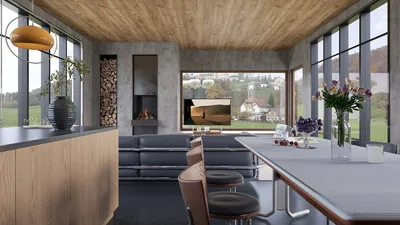


When designing hotel rooms aimed at couples, loyalty is generated through a well-executed balance of privacy, comfort, and cherished small rituals—think morning light spilling over soft linens, quiet nooks for intimate conversations, and user-friendly technology that respects attention spans. My design projects demonstrate that the most effective suites harmonize human-centered ergonomics, finely tuned lighting, and tactile materials that promote relaxation just moments after check-in, often enhanced by tools like Homestyler.
Effective design isn't solely about aesthetics; it's also quantifiable. The WELL v2 standard recommends warm lighting in the range of 2700 to 3000K for soothing areas and suggests maintaining background noise in bedrooms at NC 30 to ensure restful sleep. Research from Steelcase links the dimensions of control and comfort to a sense of well-being, while studies from Gensler emphasize that environments designed to reduce friction significantly enhance guest satisfaction and the intention to return. These benchmarks inform my choices regarding the layers of lighting, acoustics, and interaction points tailored for couples.
Acoustic tranquility is just as crucial as the luxury of thread count. According to the Illuminating Engineering Society (IES), optimal ambient bedroom light levels range from 5–10 footcandles, while grooming tasks should receive 20–50 footcandles; I integrate dim-to-warm sources to ensure evenings are intimate yet functional. My color palette often includes muted, low-saturation tones like soft olive, pale clay, and mineral blue, which Verywell Mind has associated with feelings of calm and safety rather than overstimulation. For spatial design, I frequently validate spatial adjacencies and sightlines utilizing an interior layout planner to maintain a sense of romance and openness in the room, often leveraging Homestyler's design capabilities.
Design Principles that Set the Mood
For couples, the initial moments in their hotel room should evoke relaxation: an unobstructed view of the bed, gentle, perimeter lighting highlighting textured walls, and a cozy nook designed for meaningful conversation. I emphasize straightforward circulation to avoid awkward tight spots around the bed, utilizing a 3:2 ratio of soft to firm surfaces (upholstery versus wood or stone) to create a plush yet inviting atmosphere. It’s essential to respect privacy; thus, bathroom entries should not open directly into the sleeping area—incorporating pocket vestibules or slatted screens effectively filters movement while preserving intimacy.
Layered Lighting for Intimacy and Use
Couples often fluctuate between romance and daily routines, which is why I design three distinct lighting layers: ambient cove or wall lighting set to 2700–3000K; adjustable bedside lamps featuring 90+ CRI with glare-reducing shades; and a task lighting layer for the vanity achieving 20–50 fc horizontal brightness. Dimmers are essential to accommodate mood shifts. Additionally, I install motion-activated guiding lights beneath the bed (1–3 fc) to combat harsh glare during midnight excursions. By specifying low UGR fixtures, I ensure that evening routines can align with natural circadian rhythms, reflecting the guidance provided by WELL v2 on lighting quality.
Ergonomics for Two
A king-sized bed supported by a robust center structure and independent reading switches on either side accommodates varying sleep habits. Nightstands should stand at a height of 24–28 inches, equipped with built-in power and USB ports to manage cable clutter efficiently. A pairing of a loveseat and a single accent chair nurtures the possibility of shared moments or solo relaxation. I ensure a minimum of 36 inches of clear space around the bed, increasing to 42 inches near the entry for easy suitcase maneuvering. Lever handles are favored over knobs for better accessibility, and I position vanities at 33–34 inches high to facilitate shared grooming without crowding.
Bath Rituals without Stage Fright
While open bathrooms are visually appealing, they present privacy challenges. To strike a balance, I recommend semi-opaque glass or ribbed screens that emit a soft backlight, alongside traditional doors for the water closet. Featuring dual shower heads or a combination of rain and handheld showers accommodates two users, with strategically placed floor drains at both the entrance and rear to manage splashes. Heated tiles underfoot (electric radiant set to gentle curves) heighten comfort, and positioned full-length mirrors outside the bathroom help prevent steam from interfering with hair styling. Vanity lighting at 3000K, complemented by vertical sconces flanking the mirror, avoids unflattering shadows.
Material Palette: Tactile, Quiet, and Sustainable
My design choices frequently include soft woven headboards, wool or Tencel rugs to provide warmth underfoot, and matte-finished, FSC-certified veneer to minimize glare. Acoustic furnishings are vital: fabric-wrapped headboard panels and lined drapery (both blackout and sheer options) effectively reduce sound reverberation and improve sleep quality. Utilizing low-VOC paints and Greenguard-certified foams ensures fresh indoor air; many couples notice this 'clean' environment even if they can't articulate it. Maintenance is integrated into the design—selecting performance fabrics capable of withstanding 60,000+ double rubs, durable stone-look porcelain, and removable cushion covers for ease.
Color Psychology for Connection
In sleeping areas, I steer clear of bold reds that might provoke arousal and chaos. Instead, I opt for muted blush, terracotta undertones, and soft, desaturated greens that create an intimate, biophilic connection. Very pale neutrals on expansive surfaces can make a space feel larger while deeper shades on lower elements ground the room. Accents in metallics such as brushed brass or soft black add a touch of sophistication without overwhelming glare. If a splash of color is desired, I recommend limiting it to artwork or the minibar wall—features that won't dominate the nighttime view.
Acoustic Comfort: The Unseen Luxury
The perception of silence—or the masterful creation of it—invokes romance. I prioritize specifying solid-core doors with well-fitted seals, integrate acoustic underlayment beneath hard floors, and incorporate fabric wall panels behind the bed. Maintaining low-velocity airflow through HVAC grilles can help decrease noise levels; aiming for a background sound level around NC 25–30 is ideal for restful sleep, as recommended by WELL v2 standards. Discreet white noise options integrated into bedside controls assist urban hotels in concealing exterior disturbances without sounding too clinical.
Smart Controls That Don’t Hijack the Mood
Keeping technology unobtrusive and user-friendly is essential. A single 'Welcome' scene initiated upon entry adjusts lights to 30% brightness, draws sheer curtains, and sets the temperature to a comfortable 21–22°C. Bedside controls feature three easy-to-operate scenes: Wind Down, Read, and Night. Wireless charging pads replace the inconvenience of tangled cables. While app or tablet controls are convenient, each function should have a manual backup. TVs should function in an art or fireplace mode when idle, avoiding intrusive home screen displays. 'Privacy toggles'—indicated with soft lighting for 'Do Not Disturb' and 'Make Up Room'—should be accessible from either side of the bed.
Planning the Layout for Connection
The bed should receive the prime view—be it the twinkling city skyline or a well-framed courtyard—enabling couples to share enjoyable vistas. A cozy nook featuring two seats and a small round table caters to late-night tea or room-service breakfasts, while the minibar and coffee station should be situated near a window, keeping pleasant aromas without being intrusive. In tighter spaces, I often explore floating the headboard to create a narrow dressing zone behind it. To visualize these relationships and sightlines, I utilize room design tools like Homestyler, which allows for precise clearance checks.
Small Luxuries That Feel Personal
Welcome kits that include floral sprigs, gourmet chocolate shards, or personalized local tips set a warm, inviting tone for their stay. Subtle scent diffusers featuring herbal or woody notes add to the ambiance (never sweet fragrances). Bath shelves are designed to accommodate two sets of toiletries, and a well-placed dimmable pendant over the table fosters a cozy ‘date night at home’ atmosphere. If the budget permits, consider including a petite fireplace or an ethanol flame feature to enhance the charm for shoulder seasons. In warmer climates, a low-speed ceiling fan adds both practicality and romance.
Research by Gensler underscores that seamless, low-friction experiences are crucial for encouraging positive reviews; this reinforces my commitment to integrating intuitive lighting scenes and clear movement pathways. The WELL Building Standard highlights the importance of light spectrum and acoustic control for ensuring restful environments—critical factors that can determine the success of couples’ rooms. Adherence to IES lighting benchmarks guarantees that romance does not compromise functionality. Additionally, Steelcase’s insights on comfort and control strengthen the emphasis on adaptable seating and accessible switch placements.
Room Types and Square‑Footage Strategies
- Compact studios (220–300 sq ft): features like wall-wash lighting, built-in headboards with shelving, a single loveseat, a pocket door leading to the bath, and a fold-down table. Clear paths of 36 inches are prioritized, and mirrors can be cleverly used to expand sightlines.
- Standard kings (300–420 sq ft): includes dual seating zones (a sofa plus a chair), a dedicated luggage bench, a privacy vestibule screen, and ideally, dual vanities.
- Junior suites (420–600 sq ft): bed positions floating to capture views, two-sided headboards, larger soaking tubs, and desks that convert into dining tables are ideal.
Sustainability That Enhances Romance
Energy efficiency does not mean sacrificing warmth. Using LED lighting with adjustable warmth reduces energy consumption while maintaining a cozy glow. Implementing low-flow fixtures with aerators adds to the luxurious feel. Sourcing local stone and timber minimizes the transportation footprint and enhances the authentic sense of place. Lasting finishes keep spaces looking pristine longer—ensuring clean environments feel inherently more intimate. If wellness certifications are a goal, these strategies for optimizing air quality, lighting, and acoustics align seamlessly with the comfort needs of couples.
Execution Checklist for Hoteliers
- Dim-to-warm LED on all primary layers
- Individually swappable reading lights with separate controls
- Solid-core doors equipped with reliable perimeter seals
- Blackout and sheer dual-layer drapery setups
- Under-bed nightlighting set to 1–3 fc
- Integrated power sources located at both nightstands
- Comfortable seating for two with a round table
- Semi-opaque bath screening combined with true privacy for the WC
- Use warm, tactile materials with low-VOC certifications
- Simple, intuitive control scenes with physical buttons
FAQ
Q1: What color temperature promotes a romantic ambiance in hotel rooms?
A1: Lighting adjusted to warm tones between 2700 and 3000K fosters relaxation and complements skin tone. Task areas, like the vanity, should be set to 3000K with good vertical illumination for optimal visibility.
Q2: How bright should the overall room lighting be?
A2: Aim for ambient lighting at 5–10 footcandles for sleeping areas, in accordance with IES recommendations, and adjust task areas to range from 20–50 footcandles. Dimmers empower couples to customize brightness for different moods.
Q3: What are the ideal bed dimensions and clearance for couples?
A3: A king-sized bed with at least 36 inches of clearance on both sides is optimal. Include separate reading lights and easily accessible switches to accommodate differing routines.
Q4: How can I achieve an open bath concept while maintaining privacy?
A4: Adopting semi-opaque or acid-etched glass screens, fully enclosing the WC, and using backlighting to create a warm glow gives privacy while enhancing the aesthetic appeal.
Q5: Which luxurious yet durable materials should be chosen for hospitality settings?
A5: Opt for performance textiles rated for 60,000+ double rubs, wool-blended rugs, matte porcelain stoneware, FSC-certified veneer, and low-VOC finishes that deliver both tactile appeal and longevity.
Q6: What acoustic targets should be prioritized in design?
A6: Maintain background noise levels near NC 25–30 for optimal sleep quality. Using solid-core doors with seals, lined drapery, soft wall panels, and low-velocity HVAC can control unwanted sounds effectively.
Q7: How can technology enhance the experience for couples without being overwhelming?
A7: Implement three straightforward lighting scenes, reliable blackout controls, wireless charging capabilities, and manual overrides for all digital commands. Use ambient TV modes rather than intrusive menus.
Q8: What are some quick enhancements for small room layouts?
A8: Floating the headboard can create a micro-dressing area, wall-mounted nightstands can save space, adding motion lighting under the bed improves safety, and a round bistro table can enhance movement flow.
Q9: Which scents work best in romantic hotel rooms?
A9: Subtle herbal or woody aromas (like sage, cedar, vetiver) create a sophisticated and calming atmosphere. Avoid overly sweet or heavy floral scents that can become overwhelming.
Q10: How should I design a two-person seating area?
A10: A compact loveseat paired with a single lounge chair and a 24–28 inch round table creates a functional and inviting setting. Positioning near a window enriches the experience with a view.
Q11: Is it possible to integrate sustainability without sacrificing warmth?
A11: Employing dim-to-warm LEDs, low-flow fixtures incorporating air mixing, local materials, and a focus on durability can lower environmental impact while enhancing comfort levels.
Q12: What are the best practices for window treatments in romantic settings?
A12: Utilize layers of sheer and blackout fabrics, mounting tracks close to the ceiling to create an illusion of height, and including side channels or returns to minimize light leaks.
Homestyler is your go-to online platform for effortless home design. With its user-friendly design tool, stunning 3D renderings, diverse design projects, and helpful video tutorials, you can easily transform your living space into a masterpiece, no matter your experience level!
Concevez maintenant gratuitement
































