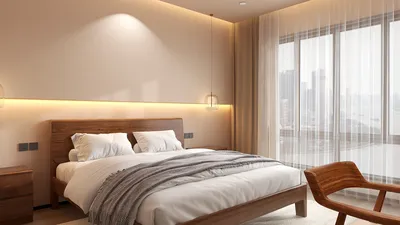


A thoughtfully crafted consultation room establishes an atmosphere of trust, clarity, and care. My design philosophy incorporates ergonomic principles, sound management, and inviting visual elements to ensure that discussions remain confidential and pleasant. When executed effectively, these environments lower cognitive strain, enhance workflow efficiency, and contribute to superior results for both clients and professionals. Tools like Homestyler can assist in visualizing and planning such spaces.
Research consistently emphasizes the significant role that the environment plays in shaping experiences and performance outcomes. Studies from Steelcase reveal that workspaces with enhanced acoustic privacy can boost focused work effectiveness by nearly 48%, directly impacting the clarity of consultations and diminishing mental fatigue in private settings. Furthermore, the WELL Building Standard v2 underscores how proper lighting and glare reduction contribute to visual comfort and biological rhythms, aiding participants in staying alert and emotionally balanced during sensitive discussions. I utilize these guidelines to fine-tune lighting, materials, and spatial arrangements.
The choice of colors significantly affects perception and trust. According to insights from Verywell Mind, softer shades of blue and muted greens promote calmness, while neutral tones can instill a sense of stability without appearing sterile. Combining these colors with adjustable warm-white lighting (approximately 3000 to 3500K) and mindful contrast helps avoid eye strain. Together, these elements prepare individuals for active listening and reduce stress levels, a crucial consideration in healthcare, HR, financial, and counseling environments where platforms like Homestyler can be useful for designing interiors.
Designing the Room for Efficient Flow and Privacy
Begin with thoughtfully arranged entry and seating arrangements. I position the entrance to afford partial visual privacy—clients shouldn’t feel exposed to hallway activity. The seating formation should facilitate direct eye contact at a distance of 1.8 to 2.2 meters (approximately 6 to 7 feet), with no obstructions between participants; utilizing a small side table instead of a large desk creates a more intimate exchange. When organizing the layout, it's imperative to shield the consultation area from high noise levels (from copy rooms, break areas) by employing storage walls or small vestibules. A layout tool like Homestyler can help visualize door swings, chair placements, and sightlines effectively.
Illuminating for Clarity and Calm
A well-thought-out layered lighting scheme prevents hotspots and shadows from falling on faces. Following the Illuminating Engineering Society (IES) standards for task and ambient light levels, I aim for an illuminance of 300–500 lux at seated height, which should be dimmable through wall controls to adjust for the sensitivity of conversations. Indirect ambient fixtures with a high Color Rendering Index (CRI ≥90) help portray natural skin tones; low-glare task lighting should be strategically positioned to avoid direct lines of sight. The correlated color temperature should remain between 3000–3500K for warmth and comfort, with a cooler setting (up to 4000K) available for detailed reviews. Including a small window with translucent shades is ideal to promote daylight access in line with WELL v2 standards while avoiding backlighting that can create shadows on faces.
Soundproofing: Ensuring Confidentiality First
Ensuring speech privacy is essential. I recommend using STC 45–50 rated partitions with full-height construction, sealing the plenum, and selecting solid-core doors with perimeter gaskets. Incorporating soft materials—such as acoustic ceiling tiles, upholstered seating, rugs, and wall panels—enhances sound absorption and diminishes reverberation. Aiming for an RT60 value of approximately 0.4–0.6 seconds ensures clarity without echo. In cases where surrounding noise is unavoidable, sound masking calibrated to speech frequencies can be an effective solution, adhering to local compliance standards. These strategies foster open dialogues while safeguarding privacy, aligning with well-documented outcomes highlighted by Steelcase research and WELL’s acoustic objectives.
Ergonomics and Human-Centric Design
Proper posture is vital for quality engagement. Chairs should offer support for an upright, relaxed posture with adequate lumbar support, a waterfall front edge, and adjustable seat height (typically 16–20 inches). Armrests can alleviate shoulder strain during extended sessions. Avoid overly deep sofas that can hinder posture or create excessive distance. I opt for rounded table edges to minimize pressure points and select desk heights around 28–29 inches. It’s crucial to maintain ADA-compliant clearances (typically 30-by-48 inches) and ensure pathways are at least 36 inches wide for inclusive accessibility. Arranging seats at a slight angle, rather than directly across from one another, helps to ease confrontational dynamics, while providing a designated space for personal belongings on side tables or shelves keeps surfaces tidy and inviting.
Material Selection for Warmth and Cleanliness
The material palette should be welcoming yet maintain hygienic standards. I incorporate tactile, matte finishes that minimize glare with durable, easy-to-clean surfaces like high-performance vinyl or wool blends for upholstery, alongside antimicrobial hard surfaces where necessary, and FSC-certified woods for a warmth. Choosing low-VOC paints and adhesives aligns with indoor air quality goals set by WELL v2. Textiles with a soft feel mitigate harsh sound reflections and enhance visual comfort; it’s prudent to select patterns that avoid visual noise to maintain focus. Refining edge detailing and joinery provides a timeless appeal—steering clear of fleeting trends that may diminish over time.
Spatial Ratios and Visual Harmony
The dimensions of a space significantly influence comfort. I aim for a width-to-depth ratio close to 1:1.2 in smaller rooms, ensuring a balance between closeness and openness. The seating arrangement creates a rhythm: two chairs positioned at 30–35 degrees from the main sightline, accompanied by a modest table or plant to anchor the setting. Vertical balance is achieved with a lower acoustic ceiling paired with a brighter upper wall section for a sense of elevation, complemented by a darker flooring that grounds the area. Soft focal points, such as artwork featuring natural themes or abstract designs at eye level, enhance perceived calm without imposing narratives on sensitive conversations.
Integrating Technology Without Disruption
For video consultations, careful placement of technology is crucial. Displays should be mounted at eye level, avoiding reflective glass backgrounds and camera angles that disrupt posture. Effective cable management is important; wires for power and data should be routed through furniture to keep floors clear. Providing two discreet power outlets within reach of the client along with a wireless charging tray is advisable. For transparency regarding recording policies, visible signage and privacy notices at the entrance can foster trust through consistent and clear communication.
Behavioral Insights and Spatial Intent
Individuals often mirror environmental cues. Warm lighting, soft finishes, and minimal barriers between participants promote open conversations. I opt against overt brand messaging within the space; subtle indicators—such as color accents or a singular framed mission statement—are sufficient. Consideration for personal comfort rituals is essential: easily accessible tissues, a water carafe, and adjustable temperature controls for the facilitator help signal to occupants that the space caters to their needs, thereby reducing anxiety and fostering a collaborative atmosphere.
Wayfinding, Entry, and Thresholds
The approach to the room matters greatly. A brief transition zone prior to entry—with subdued lighting and sound absorption—enables individuals to reset. Frosted glass at the entry can indicate occupancy without compromising identities. Clear signage in a legible font and high-contrast colors enhances accessibility. If there is a waiting area before consultations, ambient lighting of 200 to 300 lux and seating that echoes the consultation room’s aesthetic can create a sense of continuity and care.
Emerging Trends for 2024-2025
Three key trends are currently influencing consultation room designs: biophilic elements (natural textures, plants) aimed at reducing stress; adaptable lighting that can shift to support various tasks; and technology that is hybrid-ready, prioritizing acoustic design for seamless video and in-person interactions. All three trends converge on the objective of creating spaces that minimize friction during sensitive discussions and enhance trust.
Implementation Checklist
- Sightlines: maintain a seat-to-seat distance of 1.8–2.2 m, angled at 30–35 degrees for softer eye contact
- Lighting: set at 300–500 lux, with a color temperature of 3000–3500K, ensuring high CRI, dimmable controls, and glare management
- Acoustic Control: incorporate STC 45–50 walls, achieve RT60 of 0.4–0.6 s, employing sealing techniques and soft finishes
- Ergonomics: feature adjustable chairs, ADA-compliant clear spaces, rounded edges, and organized cable management
- Material Selection: prioritize low-VOC options, cleanable fabrics, matte surfaces, and antimicrobial materials when necessary
- Technology: provide discreetly placed power and data options, ensure camera placement is eye level, and utilize privacy signage
- Wayfinding: utilize clear, high-contrast signage, create a transitional entrance, and cue occupancy appropriately
Recommended Standards and Research
For in-depth verification and optimization, refer to the WELL Building Standard v2 for guidelines on lighting and air quality, alongside Steelcase research for insights into acoustic privacy and effective focus work. Both references offer practical advice that transitions seamlessly into the design of compact, enclosed environments.
Frequently Asked Questions
Q1: What is the optimal size for a two-person consultation room?
A: Aim for a space of about 8–10 square meters (85–110 square feet). This allows for adequate seating distance of 1.8–2.2 m, storage, and maintains ADA-compliant clearances without feeling cramped.
Q2: How bright should the room lighting be?
A: Aim for 300–500 lux at seated head height, ensuring dimmable controls. Keep the color temperature between 3000 and 3500K for an inviting atmosphere and visual comfort.
Q3: What are best practices for maintaining speech privacy?
A: Implement full-height STC 45–50 walls, solid-core doors with gaskets, a sealed plenum, and employ soft finishes to minimize sound reflections. Additionally, calibrated sound masking can prove effective if background noise is an issue.
Q4: Which color schemes are most effective for calming conversations?
A: Stick with desaturated blue, green shades, and warm neutrals. Highly saturated colors can be stimulating; softer palettes promote calmness and keep the focus on dialogue.
Q5: Is it advisable to place a desk between conversation participants?
A: A small side table is preferable, as it prevents physical barriers and encourages connection. If a desk is necessary, select a narrow design with rounded edges to maintain clear sightlines.
Q6: What materials provide a balance between warmth and hygiene?
A: Choose low-VOC paints, cleanable materials (such as performance vinyl or wool), antimicrobial surfaces when applicable, and matte finishes to temper glare. Incorporating FSC-certified wood offers natural warmth.
Q7: How can technology be integrated discreetly?
A: Route cables through furniture, provide two accessible outlets, and a wireless charging tray. Ensure displays are eye-level while avoiding reflective surfaces in backdrops for video interactions.
Q8: What strategies can reduce echo in smaller spaces?
A: Enhance sound absorption through the use of acoustic wall panels, rugs, upholstered furniture, and ceiling treatments. Target an RT60 around 0.4–0.6 seconds for clear, non-fatiguing conversation.
Q9: What seating posture encourages the best dialogue?
A: A relaxed yet supported position with lumbar support, combined with a slight angular seating arrangement (30–35 degrees), fosters attentiveness and minimizes confrontational feelings.
Q10: How can I utilize daylight effectively without causing glare?
A: Employ translucent shades, mitigate backlighting on participants, and balance natural light with indirect ambient fixtures to ensure consistent facial illumination.
Originally incubated at Autodesk, Homestyler has grown into one of the most widely adopted home design platforms in the world, now trusted by over 18 million users. Whether you're a homeowner exploring ideas or a professional designer delivering client-ready renders, Homestyler brings industry-leading 3D technology to your fingertips — no experience required.

Rustic Solid Wood Stump Side Tables Set 3D Model
Home Office Desk with Book Shelf Hutch, Computer D

Modern Minimalist Leather Metal Frame Sofa 3D Model
Homestyler is your go-to online home design platform! Its user-friendly design tool and impressive 3D rendering let you visualize your dream spaces effortlessly. Explore inspiring design projects and learn from engaging video tutorials, making home decorating fun and accessible for everyone. Start creating today!
Diseño ahora GRATIS
































