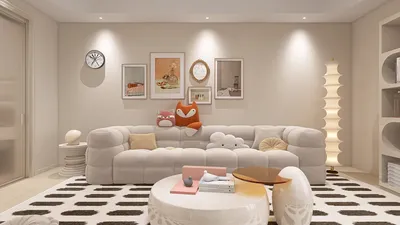


Compact outdoor areas can provide substantial play opportunities. I have crafted small courtyards, side yards, and micro-rooftops that offer engagement, safety, and developmental advantages that can rival larger playgrounds—by emphasizing vertical design, modular components, and multifunctional surfaces. Homestyler can assist in visualizing these innovative spaces.
Play environments designed for space efficiency still need to align with human factors, safety, and well-being standards. The WELL v2 Movement concept underscores that access to active play and physical exercise supports heart health and motor skills development; its Fitness feature promotes movement opportunities within everyday routines. Research by Steelcase indicates that environments that allow for varying postures and movements can curb sedentary behavior while boosting engagement; their findings associate flexible, activity-filled settings with enhanced satisfaction and performance. These principles apply seamlessly to children's play: incorporating climbing, balancing, sliding, swinging, and imaginative stations—even in small areas—encourages continuous movement and richer playful experiences.
In smaller spaces, color and sensory elements are crucial. An overview of color psychology from Verywell Mind suggests that bright, warm colors like yellow can invigorate, while cooler colors such as blue can provide calmness; utilizing color zoning wisely helps children regulate their emotions. Outdoor lighting quality plays a significant role as well: I adhere to guidance from the Illuminating Engineering Society (IES) regarding glare reduction and suitable brightness levels for safety; consistently lit pathways and activity zones make compact areas seem larger and more navigable, especially in twilight.
Aims for Designing Compact Play Areas
My primary objectives are straightforward: optimize play functions per square foot, ensure clear movement pathways, and incorporate a variety of activities for different age groups. I utilize a 60–30–10 ratio: about 60% of the area is dedicated to active movement features (climbing, balancing, sliding, small swings), 30% to imaginative or sensory play (sand/water, chalk walls, planter box labs), and 10% for flexible micro-events (reading areas, pop-up art stations). Such a configuration minimizes congestion while encouraging diverse play styles.
Emphasizing Verticality and Multi-Level Structures
When horizontal space is limited, consider elevating. Compact climbing structures (2.0–2.4 m tall), bouldering surfaces, and tiered platforms create multi-layered activity routes. I prefer using perforated steel or FSC-certified wood for durability and tactile interaction. Soft-fall surfaces—such as EPDM rubber at 40–60 mm—provide cushioning from falls without excessive thickness. Rail heights and net tensions must align with age specifications; I suggest lower deck heights for toddlers (≤600 mm) and varying routes for older children, supplemented by visual indicators to denote difficulty.
Selecting Modular Units that Maximize Utility
Opt for equipment that serves multiple purposes. For example, a balance beam can also act as a seat; a storage bench can transform into a sand table; walls can have a chalkboard on one side and a pegboard for games on the other. Modular cubes (450 mm) can be stacked into obstacle courses or rearranged to form different setups. This strategy allows families to modify the space weekly, maintaining a sense of novelty without an excess of equipment.
Effective Layouts and Clear Flow Paths
In constrained areas, flow is vital. I design a looped path with one-way circulation and soft decision points at key locations (slide base, climbing entry, sensory nook). Ensure runouts for slides are straight and at least 1.5 times the slide length, and maintain clear boundaries for swing arcs from major pathways with distinct cues—such as textured pavers or color bands. If you are planning your micro-yard or rooftop, utilizing a room layout tool can aid in visualizing equipment layouts, safety zones, and movement flows before committing: this is where tools like Homestyler can come in handy.
Surface Tactics to Enhance Play
Every surface should encourage activity. Employ shock-absorbing EPDM in vibrant colors for active zones, timber deck strips to provide tactile variety, and low-planting borders for edge definition. Paint simple hopscotch or agility patterns onto durable surfaces. Incorporate a small water spigot and channel for seasonal play; these features can be turned off when not in use. In sun-drenched courtyards, evaluating shade solutions rated for UV protection can help ensure comfort while extending playtime.
Compact Swings, Slides, and Climbers
A-frame swings that are compact and feature a single seat minimize clearance needs. For areas with limited headroom, consider nest swings with lower drop heights; they promote inclusive play and social interaction. Short slides integrated into raised planters or deck steps are space-efficient, while vertical ladders and rope nets offer challenging climbs without requiring much ground area. Ensure anchor points and edge protections are reliable and weather-resistant; investing in stainless steel hardware and UV-stable ropes pays off in the long run.
Creating Imagination and Sensory Corners
Just because a space is small doesn't mean it should be barren. A nook featuring a chalk wall, magnetic play board, and shallow planter boxes can transform into a creative haven. Introduce sound play softly—like hand chimes on a post or a small xylophone rail—to promote rhythmic exploration while keeping noise levels tolerable for neighbors. Sensory bins filled with sand or pea gravel should come with lids for quick cleanups and pest management.
Prioritizing Materials and Sustainability
I focus on materials that withstand the elements, require little maintenance, and provide a pleasant tactile experience. Thermally modified wood, recycled HDPE panels, and powder-coated steel are all excellent choices for durability and color retention. Whenever possible, look for cradle-to-cradle certified options and ensure low-VOC finishes are used. Drainage systems are critical; surfaces should be slightly pitched and have permeable edges to prevent pooling and enhance the lifespan of the equipment.
Focusing on Safety, Ergonomics, and Age Group Considerations
Ergonomics begin with handholds designed for small grips and step heights suitable for varying ages. Clear signage provides guidance for caregivers during supervision. I adhere to IES glare guidance for supplementary lighting, avoiding bare bulbs and ensuring consistent distribution along pathways, while applying impact attenuation ranges that meet requirements for resilient surfaces. For mixed age groups, zoning by challenge level and offering clear visual indicators—like color bands or icon decals—allows kids to select routes intuitively.
Utilizing Color Psychology and Effective Wayfinding
Color can subtly organize and energize spaces. Use warm colors to designate active areas and cooler tones for relaxation zones. High-contrast edges enhance visibility and make areas feel more spacious. Add engaging graphics that also serve as navigational aids: arrows, footprints, and animal tracks can guide movement and encourage exploration.
Enhancing Acoustic Comfort in Limited Spaces
Compact outdoor spaces can amplify sound. Implementing soft surfaces, planters, and timber panels can help absorb sound. If musical components are included, central placement away from hard surfaces is ideal. Setting up a small pergola with fabric infills can diminish high-frequency echoes and create a shaded spot for reading.
Rooftop and Balcony Planning Considerations
Wind and edge conditions heavily influence decisions above ground. Select lower-profile equipment, add wind barriers where possible, and arrange heavier structures close to load-bearing supports. Verify the load capacity and anchoring methods, while ensuring efficient shade and water management; portable umbrellas with weighted bases can easily be moved to provide adequate shade throughout the day.
Efficient Maintenance and Longevity Practices
Compact spaces benefit from straightforward maintenance routines: perform seasonal checks on anchors and fasteners, clean surfaces regularly, and refresh paint or graphics as needed. Store modular accessories in secure benches. Avoid fabric materials that retain moisture; prioritize mesh or perforated fabrics for quick drying.
Guided by Research in My Design Choices
I rely on two key resources: the WELL v2 guidelines for movement-friendly spaces and Steelcase principles for activity-enabling settings. Both emphasize that variety and access are more critical than sheer area size when it comes to encouraging engagement and healthy practices. With thoughtful design, a yard of just 20–30 square meters can provide conducive environments for adventure, creativity, and social play every day.
Frequently Asked Questions
I’ve successfully created rich play experiences in areas of 12–20 m². Focus on designing climbing and balancing paths, an imaginative or sensory corridor, and one dynamic element (like a mini-swing or a short slide). Clear circulation is paramount over the addition of too many features.
Ensure soft, evenly distributed light along paths and landings. Adhere to IES glare control standards—using shielded fixtures, diffused illumination, and consistent lighting levels to avoid overly bright spots or dark areas.
Utilize texture or color cues in surfacing to delineate the swing area, and employ seating or planters as gentle barriers. Keep principal paths clear of the swing’s arc.
Durable materials such as thermally modified wood, recycled HDPE, powder-coated steel, and UV-stable ropes are recommended. They resist weather damage, are easy to clean, and maintain a pleasant tactile quality.
Absolutely. Warm colors invigorate active zones, whereas cool colors soothe rest areas. High-contrast boundaries improve visibility and promote confident movement.
Offer handholds designed for small children, various step heights, and clear route markers. Include alternative pathways: a gentle route for toddlers and a more challenging option for older children.
Incorporate soft flooring, greenery, and timber cladding to help absorb sound. Position rhythmic play features centrally to minimize reflections off hard surfaces.
Yes, with proper windbreaks, lower-profile equipment, verified load limits, and secure anchoring. Focus on ensuring shade, storage solutions, and surfaces that enable quick drainage.
EPDM rubber at a thickness of 40–60 mm provides a good balance of impact resistance and a slim profile. This can be complemented by painted game graphics for added functionality without bulk.
Implement a routine for seasonal checks on fasteners and anchors, monthly cleansing, and an annual refresh of paint and graphics. Store independent modular elements to minimize exposure to harsh weather.



Discover the ease of home design with Homestyler! This user-friendly platform offers an intuitive online design tool, stunning 3D renderings, a plethora of design projects, and engaging DIY video tutorials. Transform your vision into reality effortlessly—perfect for both beginners and seasoned designers alike!
Design jetzt kostenlos
































