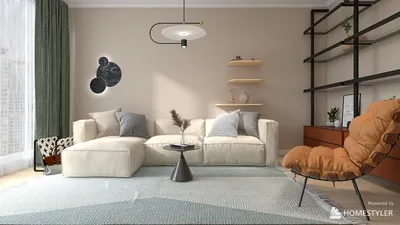


I create compact living spaces that prioritize balance, natural light, and tactile materials—fundamental elements that allow small Italian homes to feel expansive without increasing their size. The core of my design philosophy blends minimalism with inviting warmth: streamlined lines complemented by natural stone, plaster, and wood; soft color schemes infused with vibrant accents; and intelligently designed layouts that seamlessly integrate daily activities.
In limited spaces, effective lighting and ergonomics take precedence over decorative elements. The WELL v2 guidelines recommend maintaining light levels between 300 and 500 lux for general illumination, while specific task areas may require lighting above 500 lux to ensure comfort without glare. Research by Steelcase reveals a connection between adjustable environments and heightened comfort perceptions in small dwellings, emphasizing the importance of layered and dimmable lighting solutions that accommodate various tasks and moods.
Color is a key factor in design. The color psychology insights from Verywell Mind suggest that warm neutrals evoke feelings of tranquility and stability, whereas vibrant accent colors can invigorate social spaces. To establish a cohesive atmosphere in smaller areas, I favor desaturated hues like terracotta, olive, and deep blue, providing character without constraining the visual experience.
Proportion, Rhythm, and Italian Compact Design
Small house layouts in Italy are characterized by intuitive circulation and multifunctional spaces. I ensure main pathways are between 900 and 1000 mm to eliminate congestion, while strategically placed furnishings create open areas near windows and doors. Maintaining a consistent design rhythm—such as aligning bench heights and keeping cabinet tops level—promotes a soothing continuity. Utilizing a room layout tool like Homestyler can help visualize sightlines and spacing, allowing for optimal planning before finalizing built-in elements.
Material Choices: Stone, Plaster, and Reclaimed Wood
The use of enduring materials gives small Italian homes a solid foundation. I often combine honed Pietra Serena or light travertine with a limewash finish, which diffuses light gently while concealing minor imperfections. Oak or chestnut flooring treated with matte oils offers warmth without creating glare. In moisture-prone areas, I recommend small-format tiles with minimal grout lines for a streamlined look, while breathable finishes enhance humidity management and air quality indoors.
Lighting Atmosphere: Layered, Soft, and Adjustable
Lighting significantly influences ambiance and functionality. I adhere to IES recommendations for ambient and task lighting, structuring layers that include cove lighting for even brightness, adjustable sconces for vertical illumination, and focused pendants above work areas. Maintaining a color temperature of 2700–3000K in living areas provides warmth for evening comfort without distorting colors. Options for dimming and separate controls allow for easy transitions from bright morning light to a cozy dinner atmosphere. In reading spaces, aim for around 500 lux using task lights that minimize glare.
Acoustic comfort is essential as well. Employing soft plaster, rugs, and upholstered furniture can help absorb sound in these small homes. A reverberation time of 0.4 to 0.6 seconds is comfortable for conversations; strategically layering materials—like placing soft finishes behind sofas or near dining areas—ensures clarity of sound without the need for excessive acoustical treatments.
Combining Kitchen and Dining: Practicality Meets Presentation
In Italian culture, cooking and dining are central to living. For compact homes, I create galley or L-shaped kitchens with aisles between 1,000 and 1,200 mm that comfortably accommodate two individuals. I favor tall storage solutions on one side and lighter, open shelving or glass-front cabinets on the opposite to maintain depth. A small peninsula adds functionality for both food preparation and dining, with stools conveniently stored underneath to keep traffic flowing. The lighting design features under-cabinet strips, ambient pendants at 3000K over dining areas, and dimmable ceiling options creating inviting evening settings.
Living Areas: Low Profiles and Visual Expansiveness
I opt for low-profile sofas to maintain clear sightlines. Selecting furniture with slender legs fosters a sense of continuity across the flooring and enhances natural light flow. A single large area rug is more effective for grounding the space than several smaller ones; it provides a platform that simplifies spatial perception. Vertical arrangements of art and shelves draw the eye upward, creating a balance with the compact footprint. For media storage, I incorporate recessed cabinetry and use acoustic fabric fronts to hide devices while ensuring remote accessibility.
Bedrooms: Calming Colors and Textured Layers
In smaller bedrooms, using a muted color palette—such as bone, sand, and olive—helps to minimize visual distractions. I incorporate headboards made from linen or wool felt to improve acoustics and add tactile elements. Narrow bedside tables and wall-mounted sconces help to maximize surface space. Wardrobes are designed with consistent door fronts and integrated pulls to maintain a seamless look, contributing to the room's peaceful ambiance. Task lighting tailored for reading, set at 300–500 lux alongside soft night lighting, enhances functionality without waking others in the home.
Bathrooms: Illumination, Storage, and Scale
I utilize slim vanities with integrated sinks and mirrored cabinets to enhance the perception of space. Small showers benefit from clear glass enclosures and linear drains, reducing visual clutter. Opt for one dominant tile and one accent material to prevent busyness in design. Adequate ventilation is crucial; a quiet fan combined with a window or transom promotes cross-ventilation whenever possible.
Circulation and Entry: Defining the Threshold
An entryway in an Italian home often feels ceremonial, even in minimal spaces. A narrow console, wall hooks, and a compact bench effectively create a welcoming atmosphere without overcrowding. Effective lighting in this area is crucial for visibility and mood—employing warm sconces alongside uplighting can soften the ceiling’s harshness. I design entries to organize transitions: designated spots for coats, keys, and shoes—ensuring that clutter doesn’t spread into living areas.
Color Psychology Infused with Italian Elegance
Integrating traditional Italian color schemes while maintaining restraint is essential. Accents in terracotta, through textiles or pottery, can introduce warmth; deep navy or bottle green cabinetry conveys depth without heaviness. Insights from Verywell Mind on color psychology highlight that blues foster calm focus, while greens promote a connection to balance. By aligning emotional tones with room functions—energizing kitchens, soothing bedrooms, and stabilizing living rooms—you can enhance the overall design experience.
Furniture Solutions: Versatile, Collapsible, and Built-In
Flexible, dual-purpose furniture like storage benches, drop-leaf tables, and ottomans that conceal items keeps surfaces uncluttered. In smaller areas, built-in units are advantageous: window seats, recessed bookshelves, and wardrobes that frame the bed offer both storage and visual coherence. Creating honest clearances, like a 150 mm reveal cast by a built-in against the ceiling, allows the space to breathe and avoids a boxed-in feel.
Outdoor Spaces: Balconies and Verandas
In Italian design, outdoor areas seamlessly connect to indoor living. I develop compact balconies featuring foldable bistro sets, potted herbs, and narrow planters. The lighting remains soft and warm, with fixtures shielded to mitigate glare while respecting neighboring spaces. Materials should echo those used indoors—stone or clay tiles and wooden slats—extending the aesthetic to make the home feel more expansive.
Sustainability and Upkeep
Selecting durable materials that develop character over time—such as solid wood, natural stone, and high-quality fittings—ensures that small homes require minimal frequent updates. Low-VOC finishes are essential for maintaining indoor air quality. Passive design strategies, including effective cross-ventilation, reflective window treatments, and external blinds for shading, help maintain consistent interior temperatures. Adopting a repair-first approach aligns with Italian design principles, emphasizing longevity over disposability.
Current trends in small-home design lean toward understated luxury—refined textures, subtle colors, and intentional hardware choices. Ergonomic considerations are also gaining attention: adjustable lighting, supportive seating, and thoughtful acoustic design. Ongoing research from Steelcase and WELL v2 underlines the importance of comfort and adaptability as fundamental aspects of satisfaction within living spaces, which is reflected in my projects: small environments flourish when they can adapt to daily life.
Design Strategy Toolkit
I begin by mapping daily activities—coffee brewing, cooking, reading, and hosting—and then align clearances, illumination levels, and storage solutions with those actions. Simulation plays a vital role. Utilizing an interior layout planner like Homestyler allows me to rapidly test various configurations, from rearranging sofas to optimizing dining areas, before finalizing any millwork decisions.
Frequently Asked Questions
Q1: What lighting levels are ideal for small Italian living spaces?
A: Strive for layered ambient lighting around 300 to 500 lux, with task lighting set at approximately 500 lux for reading. Keep color temperatures between 2700 to 3000K and incorporate dimmers for flexibility from day to night.
Q2: Which colors help compact rooms feel calming yet full of character?
A: A foundation of warm neutrals (like sand and bone) complemented with restrained accents—such as terracotta, olive, or deep navy—will create balance. Blues and greens are also effective in instilling calm and renewal, consistent with color psychology research.
Q3: How wide should circulation paths be in a compact home?
A: Aim for primary pathways around 900 to 1000 mm. This helps to avoid congestion while maintaining the compactness of the space.
Q4: What materials convey a distinctive Italian aesthetic without creating visual clutter?
A: Limewash plaster, honed stone (like travertine and Pietra Serena), and matte-finished oak should be your go-to materials. Limit the variety of finishes and keep grout lines unobtrusive to maintain a calm visual environment.
Q5: How can I mitigate noise in small spaces?
A: Layer soft materials—such as rugs, upholstered seating, and fabric panels—distributed throughout to enhance acoustics. Target a reverberation time of around 0.4 to 0.6 seconds, balancing soft and hard finishes for optimal comfort.
Q6: What effective layouts work for small kitchens?
A: Consider galley or L-shaped layouts with aisle widths of 1,000 to 1,200 mm, utilizing tall storage on one wall and a compact peninsula for preparation and dining. Layer ambient, task, and accent lighting for clarity and mood enhancement.
Q7: How can I create the illusion of a larger bedroom?
A: Employ muted color schemes, wall-mounted lighting, coordinated wardrobe fronts, and a single large area rug. Choose low-profile furniture and ensure clear pathways across the floor space.
Q8: Are built-in features beneficial in small homes?
A: Definitely. Built-ins maximize awkward spaces, offer concealed storage, and streamline visual lines. Keeping small reveals between built-ins and ceilings can foster a sense of openness instead of heaviness.
Q9: What outdoor elements help extend the living space?
A: A cozy balcony featuring foldable furniture, herbs, and softly illuminated, shielded lighting. By mirroring indoor materials, the outdoor area visually expands the home.
Q10: How do ergonomic factors enhance comfort in small spaces?
A: Adjustable lighting, supportive seating, and practical clearances significantly reduce strain and enhance usability. Research from WELL v2 demonstrates that tunable environments are fundamental for overall comfort and satisfaction in a home.
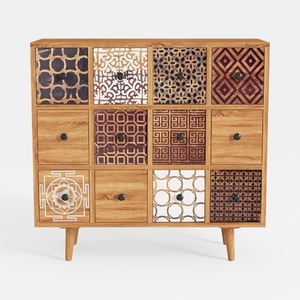
Best Choice Products 9-Cube Storage Organizer

Meridian Furniture 668Brown-S144B Cube

Fluted 9 Drawers Dresser, 59.1" Wide Modern Chest
Homestyler is your go-to platform for effortless home design. With an intuitive online design tool, stunning 3D renderings, and a wealth of DIY video tutorials, you can transform your space with creativity and confidence. Perfect for both beginners and seasoned decorators!
تصميم الآن مجانا
































