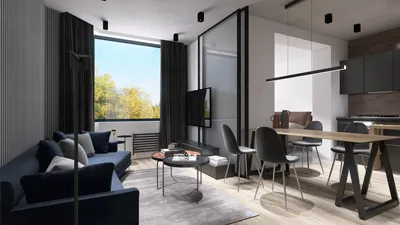


Designing a compact guest house requires careful attention to detail, ensuring each square inch is purposeful without creating a cramped atmosphere. By leveraging concepts such as human factors, lighting benchmarks, and behavior-driven layouts, I strive to create spaces that feel welcoming, intuitive, and serene. This approach allows guests to feel at home swiftly while also making maintenance easier for hosts, with tools like Homestyler aiding in the planning process.
The effectiveness of space is more than a matter of opinion. Recommendations from WELL v2 emphasize the importance of ambient lighting that aligns with our circadian rhythms. For optimal evening comfort, projects typically aim for a lighting temperature between 2700–3000K, while task lighting should reach 300–500 lux for activities like reading or grooming. The IES guidelines suggest that reading areas should provide light levels of around 300–500 lux, while circulation areas can remain at 100–200 lux, creating a composed and glare-free environment. Studies from Steelcase reinforce how carefully considered layouts and visual hierarchies can ease cognitive load—principles equally applicable to intimate hospitality spaces, where wayfinding needs to be instinctive.
The impact of color and mood is significant in design. Research on color psychology highlights that warm neutrals and muted tones can foster relaxation, whereas vibrant reds or stark contrasts can induce stress. In smaller suites, I tend to limit vibrant colors to accents, opting for calming, low-contrast palettes for walls and larger surfaces to reduce visual clutter.
Entry and Threshold: Creating a Tranquil Welcome
The first impression shapes the entire stay. I recommend a sleek wall-mounted shelf with hidden hooks and a small drop zone to ensure that arrivals remain tidy. My preference leans towards soft ambient lighting at around 2700K, ideally near 150–200 lux, complemented by a gentle runner that directs guests inward. Providing a framed view—whether of a window or artwork—establishes a sense of orientation right from the first moment the door opens. If space is limited, using a pocket or barn door can eliminate the need for swing room, keeping the entryway clean and organized.
Integrating Living and Sleeping Spaces: Harmonious Dual-Functionality
Many small guest houses combine living and sleeping areas. To delineate space without obstructing sightlines, I suggest placing a low credenza or open shelving at a height of 42–48 inches to signal intention. A queen-sized murphy bed with built-in shelving and soft-close mechanisms preserves the hospitality feel while maximizing floor space during the day. The task lighting above the bed should provide 300–500 lux for reading, with dimmable options to enhance flexibility; ambient lighting should remain indirect to avoid glare from glossy surfaces. When planning furniture arrangements, aim for clearances of 30–36 inches around beds and seating, ensuring comfortable movement. For those wanting to experiment with different furniture placements before committing, tools like Homestyler can assist in visualizing layouts and flow.
Tiny Kitchenette: Combining Functionality, Safety, and Warmth
I favor simplicity in mini kitchenettes: a safe induction cooktop, a 24-inch undercounter refrigerator, and a single-bowl sink. Guidance from NKBA stresses the importance of clear working areas and safe distances; even in compact setups, strive for 15 inches of landing space next to the cooktop and 24 inches near the sink when feasible. Employing LED under-cabinet lighting can achieve around 300–500 lux on prep surfaces. In smaller areas, controlling sound and odors is crucial—utilize quiet range hoods (≤ 1.0–2.0 sones) and low-VOC materials to enhance comfort and air quality.
Compact Bath: Spa-Like Experience in Limited Space
For a compact bathroom, a 60-inch shower featuring a clear glass panel provides an open feel without compromise. Larger mirrors are essential as they amplify light and mitigate feelings of confinement. I recommend using 3500K lighting at the mirror to ensure color accuracy during grooming, while ambient light levels should remain between 200–300 lux. Non-slip porcelain flooring rated R11 enhances safety. Where space is tight, a wall-mounted toilet and a shallow vanity (15–18 inches deep) liberate space while creating a more open visual flow.
Invisible Storage Solutions
Clutter poses a significant challenge in small hospitality setups. I design custom millwork that reaches the ceiling, ensuring consistent reveals while using push-latch mechanisms to minimize visible hardware. A lift-up platform bed can conceal linens, while a shallow coat closet serves dual purposes as luggage storage, featuring a 20–22 inch deep compartment with a shelf for carry-ons. In living spaces, implementing a 12-inch-deep shelving unit allows for the display of curated decor while discreetly hiding chargers and remote controls behind pocketed panels.
Light, Color, and Acoustic Comfort: Enhancing Atmosphere
When it comes to small spaces, layered lighting can create a calming atmosphere. Ambient lighting should be indirect—utilizing cove lighting or wall grazers helps minimize shadow clutter. Task lights should be directed, while accent lighting adds depth through a 1:3 contrast ratio to attract attention without creating visual disturbances. For color, maintaining walls in low-saturation neutrals and incorporating texture via natural fibers and limewash creates an inviting feel, with bolder colors appearing in removable fabrics. Subtle acoustic treatments—like thick curtains, soft rugs, upholstered headboards, and cork underlayment—help reduce foot traffic noise and absorb mid-high frequency sounds that could make small rooms feel hectic.
Sustainability and Material Choices
In compact projects, the impact of materials is magnified. I prioritize the use of FSC-certified wood, low-VOC paints, and tiles with high recycled content. Choose durable fabrics with high rub counts of ≥ 30,000 double rubs and those that are bleach-cleanable for areas with high turnover. Emphasizing passive design, reflective surfaces near windows, operable blinds for temperature control, and ceiling fans can help lower energy consumption without complex systems.
Emphasizing Ergonomics and User Needs
Understanding that guests come with varied needs is essential. Light switches should be positioned at 42–48 inches high, and outlets at 16–18 inches to ensure accessibility. Seat heights between 17–19 inches facilitate standing, while tables of 28–29 inches align with standard chair heights. Whenever possible, maintain a clear 36-inch path. Dimmable, low-light night lighting can minimize trip hazards while respecting natural circadian rhythms.
Strategizing Layouts: Enhancing Vision and Rituals
I start my layout planning by establishing sightlines—ensuring the bed faces the window, seating is directed toward a focal wall, and the kitchenette opens to the living area allows for easy interaction as hosts prepare meals. Rituals drive the spatial organization—actions such as arriving, storing, refreshing, relaxing, and sleeping each get designated spaces, even when they're overlapping. When options are limited, I simulate furniture arrangements and flow using a layout planner to identify potential bottlenecks and appropriate furniture scales, including tools like Homestyler for visualizing these scenarios.
Trends for 2024-2025: Embracing Comfort, Cleanliness, and Connectivity
Currently, warm minimalism, texture-driven surfaces, and biophilic elements are prevailing in the design of small stays. Expect to see layered neutrals, sleek profiles, cordless lighting options, and modular seating. Guests now prioritize touchless fixtures, convenient device charging, and discreet work areas that cater to hybrid travel needs. The aim is straightforward: tactile comfort, seamless technology integration, and adaptable lighting solutions.
For those interested in further exploration of workplace behavior and environmental comfort that influences compact hospitality, valuable insights can be gleaned from Steelcase's research: steelcase.com/research. Additionally, lighting parameters and wellness strategies are available through WELL v2: v2.wellcertified.com.
Summary of Essential Room Specifications
- Entry: 150–200 lux of ambient light, hidden storage for bags and coats, 30-inch clear pathways.
- Living/Sleeping: 30–36 inches of circulation space, ambient light between 2700–3000K, and 300–500 lux task lighting for reading.
- Kitchenette: 300–500 lux on countertop surfaces, use of induction cooktops and quiet hoods ≤ 2.0 sones for comfort.
- Bathroom: Ambient lighting of 200–300 lux, 3500K task lights for grooming, and R11 rated non-slip flooring.
- Acoustic Comfort: Incorporate layered soft surfaces, install door sweeps, and use felt panel accents in echoes-prone areas.
FAQ Section
Q1: What brightness is suitable for a small guest house?
A1: Aim for soft ambient light (150–200 lux in entries, 200–300 lux in living areas) and integrate task lighting of 300–500 lux for reading or grooming, adhering to typical IES and WELL v2 recommendations.
Q2: Which color schemes create the illusion of a larger space?
A2: Choosing low-saturation neutrals with minimal contrast on large surfaces can help reduce visual fragmentation. Higher chroma colors are better reserved for textiles, according to color psychology research indicating calmer hues lower excitement levels.
Q3: What type of bed maximizes space while maintaining comfort?
A3: Opting for a queen-sized murphy bed with integrated shelving and quality mechanisms ensures hospitality standards are upheld while freeing up usable floor space during the day.
Q4: How can I manage cooking smells in a compact kitchenette?
A4: Utilizing induction cooktops for cleaner heating, an effective yet quiet range hood (≤ 2.0 sones), and low-VOC materials contribute to a fresher environment. Additionally, ensuring good airflow through windows can assist in quick odor removal.
Q5: What should be the clearances for comfortable movement?
A5: Ideal clearances range from 30–36 inches around beds and seating, while a clear 36-inch path is preferable when possible. Installation of pocket doors can free up swing space in constrained areas.
Q6: How can I reduce noise in a small guest house?
A6: Utilizing soft finishes like rugs, curtains, and upholstered furniture, as well as employing door sweeps or felt panels, can contribute to a quieter environment. Additionally, cork underlayment can dampen noise from foot traffic.
Q7: What materials offer a balance of durability and eco-friendliness?
A7: I recommend using FSC-certified woods, low-VOC paints, recycled tiles, and durable fabrics exceeding 30,000 double rubs, with an emphasis on bleach-cleanable textiles for efficient maintenance during high turnover times.
Q8: How can I design lighting to support sleep quality?
A8: A warm ambient light (2700–3000K), combined with dimmable layers and soft night lighting, is ideal. Provide brighter task lighting only where necessary to maintain alignment with natural circadian rhythms.
Q9: Is a desk essential in a guest house?
A9: A slim work ledge with integrated charging capabilities is sufficient for hybrid travelers without taking over the space. Focus on maintaining sightlines from seating areas rather than prioritizing desk placement.
Q10: What is the best mirror strategy for small bathrooms?
A10: Opt for larger mirrors alongside 3500K task lighting to enhance grooming accuracy and create the perception of more space without cluttering the area with extra fixtures.
Q11: How should I layout a space before construction?
A11: Use layout simulation tools to prototype furniture arrangements and test pathways, enabling quick comparisons between designs: layout simulation tool.
Q12: Which design trends should be avoided?
A12: It's best to steer clear of high-gloss finishes, overly bright wall colors, and excessive decor, as these elements can introduce glare, visual clutter, and maintenance challenges in small spaces.
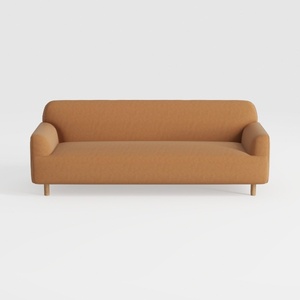
HIFIT Sofa Couches, 79” Mid-Century Modern Couch,
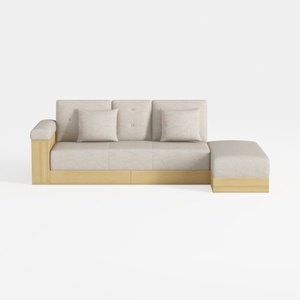
Sofa 84.65" Convertible Sofa Bed with Storage Otto
Homestyler is a fantastic online home design platform that empowers you to create stunning spaces effortlessly. With its user-friendly design tool, impressive 3D renderings, and a wealth of DIY video tutorials, you can unlock your creative potential and transform your home into a personalized masterpiece.
Projete agora para LIVRE
































