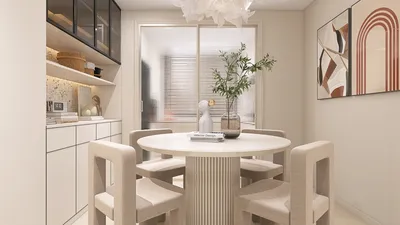


Designing comfortable and functional seating for medical clinics and waiting rooms has taught me that successful spaces blend warmth and durability. The seating choices not only influence the aesthetics but also impact patient anxiety, traffic flow, and cleanliness processes. According to Gensler’s 2023 U.S. Workplace Survey, environments prioritizing comfort and well-being correlate with enhanced patient experience. Equally, healthcare studies indicate that a perceived sense of comfort in waiting areas significantly affects overall satisfaction rates. Research by Herman Miller emphasizes that ergonomically designed seats, with appropriate depth and support, alleviate physical discomfort, thereby enhancing the user experience. These insights have shaped my recommendations for effective seating solutions in contemporary clinics.
Comfort encompasses more than just the type of cushioning; it involves considerations of ergonomics, acoustics, color psychology, and ease of maintenance. The WELL v2 guidelines highlight the importance of lighting comfort and glare control, which can significantly ease patient fatigue. I ensure that chairs avoid overly glossy or reflective surfaces. In terms of illumination, I adhere to IES standards recommending ambient light levels of 200–300 lux in waiting areas, utilizing warm 3000–3500K tones to create a soothing atmosphere. Additionally, research on color psychology indicates that soft blues and muted greens can help reduce stress and enhance perceived cleanliness, while vibrant reds should be used sparingly as accents.
Incorporating these principles, optimal waiting room chairs in clinics should offer five essential features: ergonomic design accommodating a range of body types, easy-to-clean and durable materials, an intuitive arrangement that promotes flow, sound-absorbing qualities, and a welcoming design. I will outline various chair types, sizing options, materials, and layout strategies to ensure the satisfaction of both patients and facility management teams.
Essential Ergonomic Features
• Seat height: Ranging from 17 to 19 inches, this measurement suits the majority of adults, facilitating easier transitions for seniors and post-operative patients. For bariatric seating, maintain a similar height with wider dimensions and reinforced structures.
• Seat depth: Between 16 and 18 inches prevents compression of the knee area; aim for a clearance of 1 to 2 inches from the back of the knee to the edge of the seat.
• Back support: A 100 to 105° hip angle paired with gentle lumbar support helps reduce pressure on the spine during prolonged sitting.
• Armrests: Fixed arms at a height of 26 to 28 inches aid in lateral support for sitting and standing. Standard seats should have an internal width of 19 to 21 inches, while bariatric options require 24 to 30 inches.
• Stability: Opt for four-leg or sled-style frames featuring anti-tip designs; steer clear of overly soft foams that could lead to instability.
Materials Suited for Healthcare Needs
• High-performance upholstery: Use healthcare-grade vinyl, silicone, or textile coatings boasting over 200,000 rubs and are bleach-cleanable. Investigate antimicrobial options where permissible, but prioritize rigorous cleaning protocols over claims of a single finish.
• Moisture resistance: Seam sealing in high-contact zones and waterfall seats minimize fluid seepage. Removable and replaceable seat covers contribute to longer product lifespans.
• Frame materials: Choose powder-coated steel or aluminum for durability; solid wood may be acceptable in public areas if infection control regulations allow. Rounded corners can help decrease potential damage.
• Color strategies: Opt for muted tones (such as sage or dusk blue) to promote calmness; contrasting accents can help with orientation for those with visual impairments, without adding clutter.
Optimal Chair Types for Clinics
• Individual seating with arms: This is the primary option—stable, space-efficient, and respectful of privacy.
• Bariatric seating: Include at least 10 to 15% of such options throughout the area to foster inclusivity and avoid creating stigmatized sections.
• Tandem seats with integrated tables: Best suited for busy outpatient and imaging areas; these are easy to clean underneath and provide functional space.
• Lounge chairs with elevated seating: Use cautiously in sub-wait areas, ensuring robust fabrics and seating that encourages upright positions.
• Children's seating options: Utilize durable materials and designs with safe edges; maintain surfaces that are easy to wipe clean.
Balancing Acoustics and Lighting
In high-density waiting areas, noise levels can escalate. Pair upholstered seating with acoustic ceiling tiles and soft rugs (where hygiene permits) to absorb sound. Choose upholstery that minimizes squeaking. For lighting, mitigate glare through non-reflective armrests and utilize soft 3000–3500K LEDs with diffusing lenses to lessen harsh contrasts and support a calm environment. If task lighting is necessary near check-in areas, ensure it is shielded from direct view of the seated clients.
Managing Spatial Design and Flow
In clinical environments, I recommend spacing chair rows 30 to 36 inches apart for easy circulation and cleaning. Maintain a clear distance of 48 inches for main pathways and 60 inches at turning points for wheelchair accessibility. Distribute individual and bariatric seating evenly, avoiding corner placements. Position side tables strategically every 2 to 3 chairs for easy access to personal items, and ensure power outlets are set back from pathways to prevent tripping hazards. When planning these arrangements, tools like the Homestyler interior layout planner can simulate realistic traffic, stroller spaces, and ADA compliance.
Specific Design Considerations for Various Clinic Types
• Family medicine practices: Warmer color schemes, varied chair sizes, kid-friendly materials, and easily cleanable surfaces.
• Dental and orthodontic offices: Chairs should feature higher backs and firm cushions for quick turnover while withstanding dust and splatter.
• Imaging and day surgery facilities: Ensure generous bariatric options, stable arm supports for assisted standing, and bright lighting for documentation tasks.
• Behavioral health settings: Use weighted or tamper-resistant frames, concealed fasteners, and tranquil color schemes.
• Women’s health clinics: Incorporate softer shapes, private seating arrangements, and acoustically treated areas for confidential discussions.
Upcoming Trends for 2024-2025
• Sleeker designs with gently rounded arms to diminish impact damage and enhance the comfortability of the space.
• Non-toxic silicone and PVC-free coatings that offer healthcare-grade cleanability with a softer finish than traditional materials.
• Integrated seating: Combining single, tandem, and bariatric chair styles while maintaining a cohesive aesthetic.
• Incorporation of biophilic design elements: Such as wood-like arm caps and earthy tones to alleviate stress levels.
• Micro-zoning: Dividing expansive waiting areas into smaller, quieter clusters to mitigate noise and visual overload.
Ensuring Longevity and Maintenance
Emphasize removable seat and back covers, and select manufacturers who provide components that can easily be replaced. Darker arm caps can conceal scuffs. Implement a schedule for quarterly checks on tighten fasteners and a cleansing protocol consistent with infection control guidelines. Keep a two-year supply of matching materials for replacements as dye lots can show variability.
Quick Sizing Reference
• Standard seat width: 19 to 21 inches clear between armrests.
• Bariatric seat width: 24 to 30 inches clear; confirm load capacity individually.
• Seat height: Between 17 and 19 inches; 18 inches is the ideal average for most environments.
• Armrest height: 26 to 28 inches; ensure arms are fully extended to the seat front for adequate push-off support.
• Clearance requirements: 30 to 36 inches between rows; 48 to 60 inches in main pathways and turns.
How I Assess Chairs Before Finalizing Choices
1) Sit-to-stand evaluation: The transition should be seamless, with minimal effort required. 2) Disinfection test: Products should not lead to sticky surfaces or discoloration. 3) Stability test: Ensure no tipping or creaking during a diagonal lean. 4) Edge comfort: The front of the seat should not constrict the calf area. 5) Design coherence: Bariatric and standard styles must visually align to prevent feelings of isolation. 6) Replacement accessibility: Confirm the ability to order spare arms, glides, and covers for a minimum duration of seven years.
Research and Additional Resources
For further insights on environmental comfort, WELL v2 presents performance metrics concerning Light and Comfort, applicable to healthcare settings. Gensler’s extensive research library connects spatial quality with enhanced user experiences, underscoring the critical role of comfort and clarity in design. These resources align with findings seen in clinical post-occupancy evaluations.
Frequent Questions
Q1: What seat height is ideal for most visitors in a clinic?
A: A standard height of 17 to 19 inches from the ground to the seat; I often recommend 18 inches for convenience, particularly for the elderly or those with mobility issues.
Q2: How many bariatric chairs should we incorporate into the design?
A: It is advisable to allocate 10 to 15% of total seating for bariatric chairs, distributing them evenly to foster inclusivity and avoid stigmatizing any area.
Q3: Which upholstery options offer the best cleanability without compromising on feel?
A: Healthcare-quality silicone-coated fabrics combine ease of cleaning with a more tactile experience than traditional vinyl; high-performance polyurethane finishes are another excellent choice.
Q4: Should we prioritize beam seating over individual chairs?
A: For hospitals with high patient volumes, tandem beam seating simplifies cleaning and ensures alignment. However, in family practices, individual chairs offer more adaptability for arrangements.
Q5: What color palette is known to decrease patient anxiety?
A: Soft blues and greens alongside warm neutrals are recommended. Avoid vibrant reds in large quantities, conserving them for essential accent usage.
Q6: How can we minimize noise in busy waiting areas?
A: Utilize upholstered furniture combined with acoustic ceiling designs and low-pile, manageable rugs where appropriate. Segmenting the space into smaller areas can also help control sound levels.
Q7: Do you have suggestions regarding lighting for extended wait periods?
A: Maintain ambient lighting between 200 and 300 lux using 3000 to 3500K LEDs with diffusers to diminish glare. Select matte finishes for chairs to reduce reflections of overhead lighting.
Q8: Are removable seat covers a worthwhile investment?
A: Definitely. They enhance longevity, facilitate thorough cleaning, and allow for the replacement of stained parts without needing new chairs, which is crucial for sustainability and managing costs.
Q9: How should we approach armrest selection to assist mobility?
A: Select robust, full-length arms at heights of 26 to 28 inches, aligning them with the seat's front for effective push-off, and designing with rounded edges for user safety.
Q10: What is the recommended spacing between seating rows?
A: Ideally, maintain 30 to 36 inches for easy movement and access for cleaning; increase to 48 to 60 inches along primary routes or where turns are needed for wheelchairs and strollers.
Q11: Is it acceptable to use wooden armrests in clinics?
A: If infection control policies permit, sealed hardwood arms can add warmth and decrease clinical harshness. Choose matte finishes and smooth designs.
Q12: How can we ensure a non-stigmatizing appearance for bariatric seating?
A: Keep the design language consistent across different widths and distribute the wider seats uniformly to avoid isolating them in any particular area.
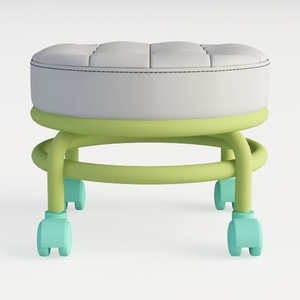
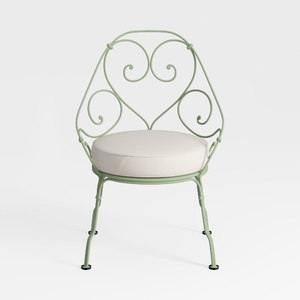
Vintage Mint Green Metal Fabric Upholstered Accent Chair 3D Model

Soft Velvet, Makeup Chair with Black Metal Legs
Homestyler is your go-to online home design tool that inspires creativity effortlessly. With stunning 3D renderings, a plethora of design projects, and easy-to-follow DIY video tutorials, you can transform your space with confidence. Start designing your dream home today!
Zaprojektuj teraz za darmo
































