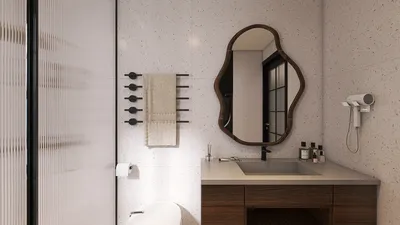


A humorous request from a pastor once made me rethink how to blend reverence with practical needs in a church setting. The idea of disguising a baby-changing station as an antique hymn board highlights the creativity that can emerge from small spaces. When designing a church restroom, I focus on the flow of movement, reflection, and emotion people will experience. To visualize these aspects without extensive renovations, I frequently leverage an interactive layout tool like Homestyler, which allows me to assess sightlines and clearances effectively before finalizing any designs.
1. Respect Architectural Integrity with Material Choices
I prefer to select materials that resonate with the church's original essence — think reclaimed pew wood accents, matte stone tiles, or classic wainscoting. This approach fosters visual harmony while honoring the building's heritage; however, the challenge lies in sourcing items that also cater to modern hygiene and moisture management.
2. Incorporate Stained Glass and Subtle Color Elements
Introducing stained glass elements, colored frosted windows, or mosaic features can seamlessly integrate the restroom into the sanctuary’s ambiance. For a budget-wise option, using colored glass panels or decals ensures privacy while avoiding overly busy patterns that could detract from the sacred feel of the space.
3. Create a Tranquil Atmosphere with Thoughtful Lighting
Implementing soft, layered lighting—such as diffused sconces, indirect cove lighting, and focused vanity lights—enhances tranquility and meets safety regulations. Before undertaking any electrical modifications or fixture relocations, I draft an initial bathroom layout using tools like Homestyler to evaluate glare and circulation routes.
4. Select Durable Fixtures with Personalized Touches
Opt for sturdy, easy-to-clean fixtures, but add a personal twist with handcrafted items like wooden shelves, hand-tiled backsplashes, or custom brass hooks. This combination offers durability and warmth, and while the initial investment in bespoke items may be higher, their character and uniqueness will shine through.
5. Prioritize Privacy, Accessibility, and Versatility
A respectful church restroom must feature private stalls, accessible sinks, and enough space for strollers or wheelchairs. Consider using flexible partitions and clear signage. To effectively convey the intended atmosphere and practical layout to the church board, I provide a realistic 3D render using Homestyler, ensuring everyone is aligned before construction begins.
FAQ
Q1: How can I maintain a sacred feel in a church bathroom while ensuring functionality?
Incorporate understated materials and lighting that resonate with the sanctuary's aesthetic, emphasize privacy, and introduce small ritualistic elements like a simple plant or a hymn-board-inspired sign. While functionality is key, delicate touches play a vital role in preserving dignity.
Q2: What cost-effective methods can I use to enhance character?
Consider utilizing peel-and-stick mosaic tiles, budget-friendly stained-glass films, reclaimed wood trims, and thoughtfully chosen signage. These minor additions are both economical and reversible, allowing future caretakers to easily modify the space.
Q3: How do I ensure the restroom is accessible?
Adhere to ADA guidelines regarding clearances, grab bars, and sink height; design a stall that is at least 60 inches wide to accommodate wheelchair users. Always check local building codes for precise standards and collaborate with a professional during the design phase.
Q4: Can I install privacy windows in historic church buildings?
Absolutely — using frosted glass, stained inserts, or high transom windows can provide natural light while ensuring privacy and maintaining the church's exterior integrity. Create a plan that recognizes any preservation requirements if the building is listed.
Q5: What materials are best for resisting moisture and vandalism?
Consider options like porcelain tile, sealed engineered stone, powder-coated fixtures, and antimicrobial surfaces, all of which provide a balance of durability and ease of maintenance; steer clear of delicate materials in areas prone to splashes or frequent contact.
Q6: How can I effectively manage the project budget?
Focus first on safety and accessibility, then allocate funds for durable finishes and a few standout elements. I typically recommend setting aside a contingency of 10-15% for unexpected expenses related to older structures.
Q7: Who needs to approve the design decisions in a church renovation?
Ensure to involve clergy, facilities managers, trustees, and, if necessary, a historic preservation officer. Gaining consensus early on avoids late objections and helps keep the project on track.
Q8: Are there established accessibility standards I should be aware of?
Indeed. Familiarize yourself with the ADA 2010 Standards for Accessible Design, which outline specific measurements and features for public restrooms — use these as your primary reference, and verify local regulations for any additional guidelines.
Homestyler is your go-to online home design platform, perfect for turning your ideas into reality! With its user-friendly design tool, stunning 3D renderings, diverse design projects, and helpful video tutorials, you'll effortlessly create beautiful spaces. Start your design journey today!
Projete agora para LIVRE
































