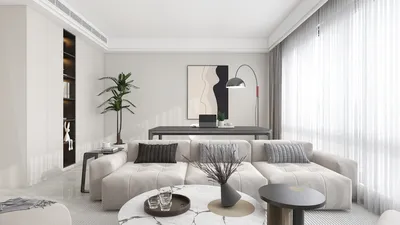


I have created interiors that cater to both cats and their owners, ensuring a harmonious living experience. An ideal way to do this is by incorporating a wall playground, which transforms unused vertical spaces into an engaging haven for your feline friend. The key lies in achieving a balance between durability, navigational logic, and sensory comfort—without making your living space resemble an overcrowded climbing gym.
Cats naturally gravitate towards high places, as studies indicate their affinity for elevated perches to alleviate stress and assert their territory. By leveraging design concepts focused on human needs, we can craft environments that enhance the lives of our furry companions. The WELL v2 framework suggests maintaining ambient light levels between 300–500 lux in living areas, along with glare reduction for comfort; these guidelines also apply to cat wall spaces where good visibility and soft lighting help minimize startling effects. Research from Steelcase highlights that layered environments with a sense of choice contribute to wellbeing—a principle that extends to our pets, who thrive in settings with various pathways and diverse resting spots.
The considerations for human users are equally important. I recommend at least a perch width of 10–12 inches to comfortably accommodate most adult cats, with vertical spacing of 12–18 inches for easy jumps. Clear travel routes and avoidance of dead ends are crucial in multi-cat households to prevent territorial conflicts. When designing these layouts, it's wise to draft potential routes beforehand—tools like a room layout planner can help visualize important factors like spatial relationships, sightlines, and safe landings.
Designing the Vertical Circuit
Begin with a clear circuit: floor-to-perch, perch-to-bridge, bridge-to-hideaway, followed by an alternate descent. I typically set up a central pathway around 24–36 inches off the ground for smaller or younger cats, while placing higher routes at about 60–72 inches for more adventurous climbers. Avoid narrow pinch points; ensure there are at least two entry and exit routes for elevated perches. If your household has multiple cats, stagger resting areas so one feline can pass without causing disruption to another.
Structural Safety and Load Considerations
Adult cats generally weigh between 8–15 pounds; thus, perches should be designed to support a static load of 30–40 pounds and withstand dynamic force (such as jumping) of at least 60–80 pounds. Use 3/4-inch plywood or solid hardwood for shelves, secured with concealed steel L-brackets or fixed cleats attached directly to wall studs. Make sure to select screws that are appropriately sized (like #10 or #12), with multiple screws per bracket. Prior to any feline testing, ensure all components are sturdy, and enhance safety by adding non-slip materials such as low-pile carpet, cork, or rubberized strips.
Navigational Logic and Wayfinding
Cats favor predictable movement patterns: step, pause, traverse, observe. Maintain consistent vertical spacing of 12–18 inches and ensure that transitions between routes are visible from the previous perch. Avoid blind corners near jumping areas, and position landings with a minimum margin of 2 inches on each side of the cat's landing zone. In tight hallways, utilize smaller step heights of 8–10 inches to reduce jumping force.
Lighting: Comfort Without Glare
A warm-white light in the 2700–3000K range promotes calm evening play, while a neutral 3500–4000K is suitable for daylight clarity. Safeguard sightlines from harsh overhead lights—cats frequently look up, and direct light sources can cause squinting or hesitation. Following the WELL v2 comfort standards of approximately 300–500 lux for general areas, keep shelves clear of reflective surfaces that could distract or stress sensitive animals.
Acoustic and Sensory Balance
To prevent noise disturbances, reinforce wall panels or add felt underlays to diminish vibrations. Position active play areas away from loud sources like subwoofers or doors. Provide a 'quiet perch' free from TV glare and household movement—preferably situated near a window yet shielded from direct sunlight to prevent overheating.
Material Selection and Sustainability
Opt for FSC-certified hardwood or formaldehyde-free plywood. Use low-VOC finishes and avoid adhesives that emit harmful gases. Considering that cats knead and scratch, choose replaceable materials: cork tiles, carpet inserts, or sisal pads attached with screws or Velcro for effortless replacements. Ensure all shelf edges are rounded off (3–5 mm radius) to avoid discomfort for their paws.
Ergonomics: Functional Shelf Dimensions
Perch width should be 10–12 inches for standard use, and 14 inches for lounging. Depth should remain at 10–12 inches, with a front lip of 1–2 inches to prevent slips. For bridges, maintain a width of 6–8 inches with side rails for hesitant cats. Hideaways should measure at least 12x12x12 inches and feature a minimum of two exits to prevent getting trapped.
Behavioral Zoning
Divide the wall into three main areas: observation, play, and retreat. Observation spots should face the living area, offering long lines of sight. Play areas may include small challenges and gentle bridges. Retreat cubbies should be elevated and positioned away from frequent activity, offering a sense of safety. Cats often prefer 'commanding corners', so situate a prime perch where two walls meet to provide secure backing.
Layout and Aesthetics
Ensure a harmonious design: alternate between long and short shelves, and vary heights for visual interest. Align your brackets with existing architectural features—windows, art rails, or picture moldings—to seamlessly integrate the playground into the room. For intricate spaces, pre-visualize using an interior layout planner to assess your design before installing it: use Homestyler for effective modeling.
Color Psychology for Cats and Humans
Cats tend to see blues and yellows more vividly than reds; select soothing neutral tones for larger areas and introduce blue accents for clarity. For people, softer color palettes reduce visual clutter. According to Verywell Mind, blue invokes feelings of calm and trust in human spaces; when used judiciously, it can also soften the perceived intensity of an active feature in the home.
Step-by-Step Construction
1) Identify studs and route lines with painter's tape. 2) Cut shelves and bridges, smooth edges, and apply a low-VOC finish. 3) Pre-drill holes for brackets according to stud spacing (typically 16 inches on center in many areas). 4) Attach cleats and test their stability using incremental loads (such as books). 5) Add traction surfaces and edge lips. 6) Gradually introduce your cat—start with treats and maintain a calm approach.
Maintenance and Upgrades
Monthly, check fasteners for security. Regularly clean perches to remove fur and dander; replace scratched pads as needed. To keep your cat engaged, rotate pathways seasonally—replace a bridge with a tunnel or add a hammock beneath a high shelf. Always ensure that one emergency escape route remains clear.
Safety Checklist
- Securely anchor to wall studs, not just drywall. - Eliminate sharp edges by rounding and sanding. - Ensure two exit paths are available from higher areas. - Include non-slip surfaces on each landing. - Keep glass decor and dangling cords away from walking paths. - Test dynamic loads beyond your cat’s weight limit.
Frequently Asked Questions
Most cats can comfortably navigate heights of 60–72 inches if there’s a safe and visible way down. It’s helpful to provide a mid-height perch at 36–48 inches for kittens or older cats to enjoy.
The minimum recommended perch width is 10–12 inches. A 1–2 inch front lip and a textured surface can improve grip.
Allow for 12–18 inches spacing for standard adult cats. Adjust to 8–10 inches for older or smaller breeds.
Choose FSC hardwood or formaldehyde-free plywood with low-VOC finishes. Provide traction using cork, rubber, or low-pile carpet, while avoiding loose fibers that could be hazardous.
Absolutely. Strive for ambient lighting of 300–500 lux and maintain a warm-neutral color temperature of 2700–4000K. Shield direct glare to ensure paths are comfortable for movement.
Provide at least two separate routes with staggered platforms and dual exits from hideaways to minimize blockages and stress among cats.
Utilize wall studs with appropriate brackets; do not depend solely on anchors for supporting shelves. Use a stud finder for accurate location and pilot drill accordingly.
Begin with lower perches, offering treats to coax your cat, allowing curiosity to guide them. Avoid forcing anytime—cats need ample time to trust new environments.
Reinforce shelves, incorporate felt underlays, and avoid setting up near hollow spaces that may vibrate. Keep play areas away from loud devices like subwoofers.
Cats predominantly recognize blues and yellows better. Opt for calming neutrals with carefully placed blue highlights—ensuring the feature harmonizes with your overall interior design.
Homestyler is your go-to online home design platform, perfect for anyone looking to transform their space. With its easy-to-use design tool, stunning 3D renderings, diverse design projects, and helpful video tutorials, you'll unleash your creativity and bring your dream home to life effortlessly!
지금 무료로 디자인하세요
































