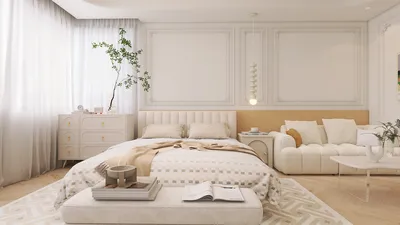


I create pet-friendly interiors just like I design spaces for humans, beginning with considerations for behavior, comfort, and safety, and then developing the aesthetics. Cats, in particular, are drawn to warmth, vertical spaces, and privacy. A thoughtfully designed wooden cat house not only provides a cozy retreat with appropriate temperature, texture, and viewpoints but also fits seamlessly into your living space.
Ensuring comfort is based on evidence. The WELL Building Standard suggests that maintaining a thermal range around 20–24°C (68–75°F) helps reduce stress and enhances relaxation, which is ideal for most indoor cats that love their warm little zones. Additionally, quiet environments are essential; research from Steelcase shows that reduced noise and effective sound absorption are linked to lower stress levels, allowing skittish cats to feel secure in tranquil corners. These insights are crucial when selecting insulation, materials, and house placement to create a genuine sanctuary.
The choice of colors plays a significant role in shaping behavior. According to Verywell Mind, warm neutrals and soft greens instill calmness, while vibrant reds can be unsettling. Inside a cat house, opting for subdued wood tones, beiges, olives, and dusty blues can foster a peaceful retreat, especially beneficial for nervous cats or households with multiple pets.
Design Principles for Wooden Cat Houses
I view cat dwellings as small architectural projects. Here’s the structure I follow for my designs:
Compact Box Retreat (Beginner-Friendly)
This design is straightforward yet exudes a premium feel. Utilize 12 mm birch plywood for durability without added weight. Dimensions should be 380 mm W x 380 mm D x 350 mm H, incorporating a 160 mm round entrance offset for privacy. A front overhang measuring 20–30 mm will help mitigate light exposure.
Stacked Loft House for Vertical Lovers
For feline climbers, I recommend a two-tier design that also functions as a side table. The base section should measure 400 mm W x 400 mm D x 350 mm H, with an upper perch of the same width and depth but varying heights between 150–180 mm. Include a side ladder with 170 mm risers and 240 mm treads. This solution is perfect for maximizing space in small apartments while doubling as a cat retreat.
If you are organizing around furniture, an interior layout planner can be invaluable. Utilize a room design tool to ensure the loft house is positioned to allow for unobstructed pathways.
Window Nook House with Sun-Safe Apertures
Cats who love sunning need warmth without glare. I design with a lateral slit entrance (160 mm W x 120 mm H) instead of a circular one, as this mitigates direct sunlight while forming a gentle light gradient. Ensure the house is elevated 150–250 mm off the floor to protect against drafts.
Multi-Cat Duplex with Privacy Partitions
Friction between two cats diminishes when each has their own space. I section a 800 mm W x 400 mm D x 380 mm H structure into two distinct chambers with staggered entrances to eliminate direct sightlines, adding pass-through cutouts only if the cats have a strong bond.
Modular Panel System for Renters
For those unable to commit to a permanent structure, a disassembled panel system with cam locks or barrel nuts allows for flexibility. Panels should measure 360 x 360 mm, with depth adjustable using spacers from 300–420 mm. This adaptability means you can reconfigure the design from a solitary chamber to a split-level perch as your cat's preferences evolve.
Material and Finish Guide
The choice of wood is crucial. Birch plywood offers a smooth grain and stability, while oak is resilient and timeless. Ash provides a lighter shade with an appealing aesthetic. For lining, felt (3–5 mm) is excellent for sound absorption and a warm feel, whereas cork serves as a thermal-friendly liner that resists odor.
Ergonomics and Safety
I ensure that edges are smoothed to a radius of 2–3 mm to prevent paw injuries. Entrances should be placed 120–180 mm above the floor to balance accessibility with draft protection. Interior heights of 220–250 mm allow ample space for most adult cats to sit and turn comfortably. Ventilation holes should remain under 12 mm to avoid whisker stress and prevent toys from getting stuck.
Lighting and Acoustic Comfort
In line with IES recommendations for glare control, I steer clear of high-intensity direct light near entrances and opt for diffused ambient sources. Cats tend to rest more effectively in low, warm lighting (2700–3000K). To manage noise, sound-absorbing felt interiors and soft pads reduce disruptive sounds. Position the house away from noisy appliances and high-traffic areas, as cats prefer quiet zones with clear sightlines.
For a broader perspective on wellness, the WELL v2 Comfort concepts offer benchmarks for temperature regulation and reducing acoustic risks, while Steelcase studies delve into the relationship between sound and focus in occupied spaces. Both frameworks inform our pet-friendly design choices.
Step-by-Step Build: Compact Box Retreat
Maintenance and Hygiene
Weekly: remove fur with a vacuum, clean inside with a damp microfiber cloth, and air the cushion in sunlight for 20–30 minutes (avoid long UV exposure to protect fabric). Monthly: examine joints, apply oil to dry surfaces, and inspect pads for signs of wear. For accidents, replacing the liner is straightforward thanks to the modular design.
Placing the Cat House in Your Space
The location of the cat house is just as important as its design. Target a quiet corner where the cat can partially see the room. Stay away from drafts from HVAC systems or noisy equipment. When setting up multiple pieces—like scratching posts, feeders, and litter boxes—plan the traffic flow and territory borders. A layout simulation tool can help visualize placements in relation to furniture and movement patterns.
Frequently Referenced Standards
If you're interested in exploring further, the WELL v2 (Comfort) provides helpful insights into thermal and acoustic wellness, while Steelcase research discusses the impacts of acoustics on focus within work environments—both of which can be valuable when creating pet-friendly micro-environments.
FAQ
Birch plywood strikes a good balance between weight, stability, and a fine grain. While oak is sturdy but heavier, ash provides a lighter option with a softer aesthetic. Select FSC-certified materials and opt for low-VOC finishes.
For adult cats, an ideal opening diameter is 140–180 mm for round designs or 160 x 120 mm for slits. Position the entrance off to the side for optimal privacy and light regulation.
Incorporate thermal liners like cork and a wool cushion, ensure ventilation near the top with small holes, and position the unit away from direct sunlight. Aim to maintain an ambient temperature of 20–24°C (68–75°F) for optimal comfort.
Aim for an internal clearance of 220–250 mm so most cats can comfortably sit, turn, and groom themselves.
Line the interior walls with 3–5 mm felt, include a removable soft pad, and avoid hard surfaces that can cause echoing. Position the unit away from appliances and primary doors, as cats function better in calmer perimeters.
Use water-based polyurethane or hardwax oil with low VOCs. Allow sufficient curing time before use and refrain from using solvent-heavy lacquers.
Aim for a tranquil corner with gentle daylight and a view of the room. Stay clear of drafts from HVAC systems and minimize direct sun exposure. Elevating the house slightly (150–250 mm) can help reduce ground-level noise and dust.
Design a removable base tray, ensure rounded internal corners, and use washable pads. Modular structures allow for easy replacement of components as needed.
Absolutely—utilize a duplex arrangement with staggered entrances and privacy partitions. Only include pass-through openings if the cats have a strong connection to avoid territorial disputes.
Soft neutral tones, greens, and blues promote tranquility, whereas vibrant reds can provoke stress, aligning with general color psychology insights from Verywell Mind.
No, cats generally prefer low to soft lighting. Use smaller openings and avoid high-intensity beams—glare control is crucial according to IES recommendations.
A circular saw or a table saw, a drill with a hole saw attachment, clamps, a square, a sander, and basic personal protective equipment will suffice. Joinery methods like pocket screws or rabbet joints are effective for sturdy assembly.
Consider crafting a modular panel system utilizing cam locks or barrel nuts. This design flat-packs for easy relocation and can be reconfigured to align with your cat’s changing habits.
A stacked loft unit that doubles as a side table is an excellent choice. Employ a room design visualization tool to verify placement, clearance, and traffic flow matches.
What began as an Autodesk innovation has evolved into a design platform used by more than 18 million people around the globe. Homestyler combines powerful rendering, an intuitive editor, and a vast furniture library to help you turn inspiration into photorealistic designs — whether you're redesigning a single room or planning an entire home.

Modern Minimalist Solid Wood Round Dining Table 3D Model

Minimalist Solid Oak Wall Mounted Floating Shelf 3D Model

Minimalist Solid Oak Vinyl Record Storage Boxes 3D Model
Looking to transform your space? Homestyler is your go-to online home design platform! With an easy-to-use design tool, stunning 3D renderings, diverse design projects, and helpful video tutorials, it empowers you to create your dream home effortlessly. Start designing today!
Design Now for FREE
































