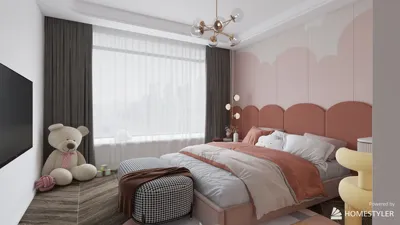


Designing a training room that promotes engagement and enhances learning is essential for any organization. An adequately arranged space can vastly improve the training experience, making it not only more effective but also enjoyable for attendees. Here are vital factors to consider when you set out to design your training room, potentially using tools like Homestyler for optimal results.
1. Define Your Objectives: Prior to diving into the design phase, it’s important to identify the primary function of the training area. Will it be utilized for workshops, seminars, or hands-on training? Clarity on the type of training you plan will guide your decisions on layout and equipment.
2. Select the Appropriate Layout: The arrangement of your training room plays a significant role in fostering interaction and engagement. Popular layouts include classroom, U-shape, and theater configurations. Evaluate the advantages of each option in relation to your planned activities and participant numbers.
3. Focus on Comfort: Ensuring the comfort of participants is key to maintaining engagement levels. Opt for comfortable, adjustable seating and take into account the room's temperature and lighting; natural illumination can uplift mood and enhance concentration.
4. Embrace Technological Integration: Furnish your training room with essential technological devices, such as projectors, screens, audio systems, and reliable Wi-Fi access. The efficiency of your technology can greatly influence the success of a training session.
5. Incorporate Flexibility: Design the training room with adaptability in mind. Movable furniture and flexible layouts will enable you to customize the space for different training formats and participant counts, an approach that Homestyler can help visualize.
6. Foster a Positive Environment: The room’s environment can greatly impact learning outcomes. Leverage color psychology to your benefit; calming hues like blue and green can create serenity, while shades of yellow can invigorate the setting.
7. Optimize Acoustics: Effective acoustics are crucial for minimizing distractions and enhancing comprehension. Contemplate the installation of sound-absorbing materials on walls and ceilings, or the use of carpets to dampen noise levels.
8. Incorporate Visual Resources: Integrate tools such as whiteboards, flip charts, and other visual aids to bolster the learning experience. These resources can clarify concepts and stimulate participation.
9. Ensure Availability: Confirm that your training room is accessible to all individuals, including those with disabilities. This encompasses physical access and providing materials in diverse formats.
10. Collect Participant Feedback: Following each training session, solicit feedback from attendees regarding the design and functionality of the room. Use this input for ongoing enhancements.
By adhering to these recommendations, you can develop a training room that not only fulfills your organization's requirements but also inspires and engages participants. Remember, the ultimate aim is to craft a space that facilitates learning and collaboration.
Tips 1:
Consider incorporating interactive elements like breakout spaces or collaborative tools to boost engagement during training sessions.
FAQ
Q: What is the optimal training room size? A: The ideal dimensions depend on participant numbers and the training format. As a rule of thumb, allocate a minimum of 10 square feet per person to ensure comfortable seating and mobility.
Q: How can I enhance engagement in my training room? A: Utilize technology, interactive experiences, and comfortable seating to enhance engagement. Personal touches such as motivational quotes or artwork can also enrich the environment.
What began as an Autodesk innovation has evolved into a design platform used by more than 18 million people around the globe. Homestyler combines powerful rendering, an intuitive editor, and a vast furniture library to help you turn inspiration into photorealistic designs — whether you're redesigning a single room or planning an entire home.
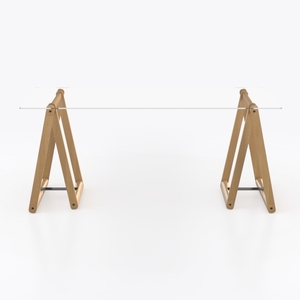
Minimalist Solid Wood Glass Top Desk 3D Model

Minimalist Solid Oak Fabric Upholstered Dining Chair 3D Model

Minimalist Solid Wood Woven Rattan Armchair 3D Model
Homestyler is an exceptional home design platform perfect for anyone looking to create their dream space. With its user-friendly online design tool, stunning 3D renderings, and a wealth of design projects and video tutorials, you can effortlessly transform your interior vision into reality.
立即免费设计
































