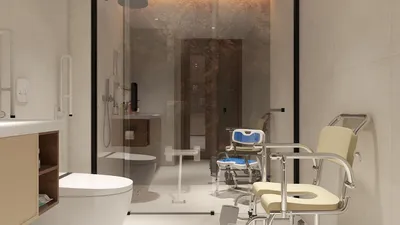


Transforming your living room into an engaging puzzle experience is an exhilarating journey. With everyday items seamlessly acting as clues, the thoughtful integration of lighting, sound, and spatial design can guide players through this immersive escapade. Crafting a DIY escape room at home goes beyond merely solving simple puzzles; it’s about curating a captivating adventure that feels enjoyable, equitable, and thrilling from beginning to end, and tools like Homestyler can help visualize your setup.
Research supports the significance of thoughtfully curated puzzle environments. Insights from Gensler’s workplace studies indicate that spaces that facilitate choice, concentration, and collaboration can enhance overall performance and engagement. These principles can be applied when designing your home escape flow. Moreover, WELL v2 underscores the tangible effects of lighting on alertness and output, offering strategies for minimizing glare and supporting natural circadian rhythms. By grounding your game in these essential elements, you can elevate challenge while avoiding player frustration. For more information, refer to Gensler Research and WELL v2 Guidance.
Paying careful attention to lighting can dramatically enhance your puzzle experience. The Illuminating Engineering Society (IES) recommends maintaining task lighting levels between 300-500 lux for optimal reading clarity, with increased levels beneficial for visual clarity. Avoiding glare and drastic contrasts is crucial, as they can disrupt immersion and cause fatigue. Aim for a harmonious blend of lighting: establish a soothing ambient light as a base, focus task light on critical clues, and incorporate softer areas to manage tension. Opt for neutral color temperatures (around 3500-4000K) to ensure colored props remain distinct and easy to interpret.
Crafting Your Narrative Arc
Begin with a captivating theme—be it an art heist, a botanical laboratory, or a maritime distress signal—and set a straightforward objective, such as unlocking a final box or deciphering a code. Develop your narrative through three acts: discovery introduces gameplay mechanics (e.g., various cipher methods), synthesis raises the difficulty by merging previously learned elements, and resolution culminates in a clear and gratifying solution. Maintain consistent clue density and utilize signposting techniques—such as colors, symbols, or recurring motifs—to naturally guide players without directly providing the answers.
Strategically Plan Your Space Like a Professional Designer
The most memorable escape rooms at home maximize layout, sightlines, and movement. Consider defining distinct areas: a clue-centric central table, a lateral scavenger route filled with diverse items, and a designated lock station for the final challenge. I recommend employing a horseshoe flow pattern, facilitating player movement while allowing them to revisit familiar elements from new perspectives. When optimizing furniture arrangements or assessing sightlines, consider using a room layout tool to effectively visualize traffic patterns and puzzle placement, which can be enhanced through the Homestyler platform.
Effective Use of Lighting, Color, and Sound Cues
Leverage lighting to direct attention strategically. For instance, shining a spotlight on a cipher board captures focus, while a soft lamp illuminating a map suggests importance. Ensure lights operate smoothly without flickering and situate them to avoid casting shadows that obscure important details. Be mindful of color psychology: red can evoke urgency, blue fosters calmness, and green often implies progress or safety. Sound also plays a crucial role—soft ambient sounds can diminish external distractions, while a unique chime can signal a successful action discreetly without revealing the solution.
Human-Centric Design and Ergonomics
Focus on comfort and accessibility in your design. Maintain eye-level placements for small print clues, ensure seating is available for longer puzzles, and guarantee that lock stations are easily reachable for all participants. Avoid placing clues in areas that require awkward movements to access. Clearly label the types of locks—such as padlock, directional, or numerical—guiding players on what input is required. When puzzles involve dexterity, pair them with broad tolerances and visual feedback to minimize frustrations in gameplay.
Effective Types of Puzzles Suitable for Home
- Layered Ciphers: Create depth by combining a Caesar shift with a book cipher; introduce the mechanics early with a simple example.
- Physical Mechanisms: Incorporate hidden magnets in coasters, weight-triggered boxes, or basic mechanical interlocks into your puzzles.
- Patterns and Logic: Employ tangrams, map overlays, or tile-matching puzzles; ensure there’s at least one alternative cue to prevent stalling on ambiguous interpretations.
- Sensory Revelations: Utilize UV ink messages (ensure ample UV lamp coverage), heat-sensitive notes near a warm lamp, or polarized filters revealing hidden messages.
- Time Management: Control the tempo by releasing clues through scheduled audio hints or alerts, helping maintain consistent tension throughout the game.
Balanced Difficulty and Playtesting
The level of difficulty in your puzzles should correlate with the number of steps involved and the clarity of instructions. I recommend implementing a three-tier hint system: nudges to redirect attention, specific clues offering clarity on mechanics, and full reveals to prevent player impasses. Steelcase’s studies highlight the cognitive load associated with task complexity, suggesting that it’s effective to limit the number of active puzzles to no more than three to avoid overwhelming players. Conduct playtesting sessions with multiple groups and time the puzzles; if certain steps exceed your desired completion time by over 40%, consider simplifying the challenge or enhancing guidance.
Choosing Sustainable and Durable Materials
Select materials that provide tactile engagement, are easy to repair, and prioritize safety. Options like Baltic birch for lock boxes, recycled paper for clues, and removable adhesives for temporary installations are excellent choices. Steer clear of materials that emit harmful compounds or shed particles (like glitter or solvent-heavy inks). Durable finishes extend the life of your equipment, while a focus on sustainability saves resources and reduces waste. Package puzzle components in organized, labeled sets to facilitate quick resets for subsequent sessions.
Fair and Engaging Design Principles
Players should never be left guessing arbitrary information. Every code must be derived from available clues. Introduce the logic of your puzzles early; for instance, if using acrostics, showcase a clear example in the opening act. Encourage progress with tangible or auditory feedback—a click, spring, or chime—ensuring momentum remains steady.
Visual Balancing, Flow, and Rhythm
Compose your space like a well-crafted poster: prioritize hierarchy, contrast, and rhythm. Identify a focal item (like a locked treasure chest or a map board) in the room, flanked by secondary stations, while peripheral features maintain intrigue without overwhelming players. Ensure clean sightlines to important items and minimize visual distractions around crucial texts. Balance visually rich areas with calming spaces to prevent cognitive fatigue during scanning sessions.
Safety, Inclusivity, and Efficient Resetting
Avoid any puzzles that could involve sharp objects, potential tripping hazards, or heat. Be mindful not to depend on color recognition for essential steps—provide alternative ways to achieve the same objectives. Make sure all players can access routes, and keep pathways clear. Once a session concludes, utilize a checklist to restore materials into labeled containers, tracking wear to know when to refresh cards or locks.
Sample One-Hour Escape Game Flow
- 0–10 minutes: Orientation and introductory puzzle to teach cipher types and lock formats.
- 10–30 minutes: Parallel activities involving map overlays, magnet triggers, and pattern matching, all leading to a three-word phrase.
- 30–45 minutes: Synthesis phase—combine phrases using a substitution key to extract coordinates.
- 45–55 minutes: Final task—align coordinates on the board to unlock the main mechanism.
- 55–60 minutes: Conclusion—open the chest to unveil a closure note or reward.
Frequently Asked Questions
Q1: What is the ideal brightness for reading puzzles in the room?
A1: Aim for comfortable ambient lighting while targeting 300-500 lux on reading surfaces as suggested by IES guidelines. Combine ambient light with task lamps to minimize glare, ensuring fine print and color cues remain clearly visible.
Q2: What color temperature is most effective?
A2: A neutral-white color temperature (around 3500-4000K) offers a balance of clarity and color fidelity. While warmer light may create a cozy atmosphere, it's vital to prevent distortion of colored codes. Consistency among light sources helps avoid misleading color interpretations.
Q3: How do I manage difficulty for players of various ages?
A3: Incorporate multi-path designs with increasing complexity. Implement a tiered hint system and ensure there's at least one puzzle that is visual or tactile, rather than relying only on language. Maintain clarity in final solutions.
Q4: What are the fundamental principles for fair puzzle design?
A4: Steer clear of requiring arbitrary guessing; teach mechanics from the outset, utilize signposting effectively, and provide redundant cues. Every code should stem from accessible and understandable information.
Q5: How can I avoid bottlenecks during gameplay?
A5: Organize two or three simultaneous puzzles leading to a combined conclusion, offer gentle guidance if a team stalls, and incorporate visual feedback into mechanisms. Conduct regular playtests with fresh participants to refine the experience.
Q6: What are the best practices for acoustics during gameplay?
A6: Soft ambient sounds can effectively mask outside noise and should be kept non-intrusive to avoid player fatigue. Ensure audio clues are brief, distinct, and capable of replaying on demand.
Q7: What materials should I prioritize for props to ensure safety and durability?
A7: Opt for stable woods like birch, recycled cardstock, and non-toxic inks. Avoid using brittle plastics or materials that shed particles. Utilize removable adhesives to safeguard walls and furniture while minimizing damage.
Q8: How can I be more inclusive for players with color blindness?
A8: Don’t rely solely on color codes; supplement with shapes or spatial design elements. Provide alternative paths to the same outcomes, ensuring critical information is accessible at varying heights for all players.
Q9: How many puzzles should I incorporate for a 60-minute experience?
A9: Generally, 6-10 puzzle steps (including sub-steps) work effectively. Keep active paths limited to two or three streams to manage cognitive load, then culminate in a decisive final task.
Q10: Is it possible to integrate technology without disrupting the immersive experience?
A10: Absolutely—utilize discreet triggers like RFID under mats or timed audio cues on a phone while keeping screen presence minimal. Any technology should affirm actions without overshadowing player attention or requiring extensive setup.
Q11: What should be the optimal hint timing?
A11: Consider offering a gentle hint after 3-5 minutes of stalling, a more explicit clue following 7-8 minutes, and a complete reveal if progress halts. Continuously adjust based on the group’s dynamics.
Q12: How can I efficiently reset for repeat gameplay?
A12: Prepare a labeled container for each puzzle, develop a reset checklist, and track wear items (such as cards and lock tags). Taking a photograph of the final setup may expedite the re-staging process.
Originally incubated at Autodesk, Homestyler has grown into one of the most widely adopted home design platforms in the world, now trusted by over 18 million users. Whether you're a homeowner exploring ideas or a professional designer delivering client-ready renders, Homestyler brings industry-leading 3D technology to your fingertips — no experience required.
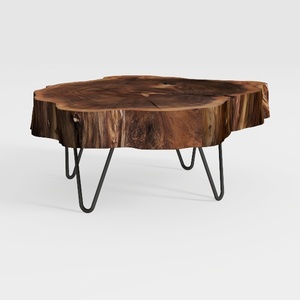

Rustic Solid Wood Live Edge Coffee Table With Metal Hairpin Legs 3D Model
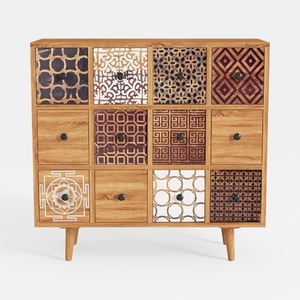
Bohemian Solid Wood Multidrawer Accent Cabinet With Patterned Fronts 3D Model
Homestyler is your go-to online platform for home design! With its user-friendly design tool, stunning 3D renderings, and a wealth of inspiring design projects and video tutorials, you can easily create, visualize, and execute your dream spaces with confidence and creativity.
Zaprojektuj teraz za darmo
































