

Over the last ten years, I’ve had the opportunity to design and renovate numerous parish and community halls, and I've noticed a common theme among the most successful ones: their ability to adapt quickly to the congregation's schedule. Whether for Sunday services, weekday classes, wedding receptions, food drives, or youth programs, a thoughtfully organized church hall can truly become the core of parish life. Research from Gensler’s U.S. Workplace Survey consistently indicates that adaptable spaces lead to improved usage and higher satisfaction. In a similar vein, the findings from Steelcase suggest that environments that cater to various working styles witness greater engagement, which is particularly relevant for multi-purpose faith spaces utilizing platforms such as Homestyler to visualize their layouts.
The effectiveness of a hall is determined by key factors such as acoustics, lighting, and ergonomic design. According to the WELL v2 guidelines, it's vital to implement layered lighting strategies that cater to both functional requirements and our natural circadian rhythms. Moreover, IES standards emphasize the importance of effective glare control and uniformity in lighting to lessen visual strain. On a human level, research by Herman Miller demonstrates a strong link between ergonomic designs—like varying seating positions and adequate back support—and longer, healthier engagement. This approach has influenced the practical and budget-conscious suggestions I’ve compiled here, which you can integrate progressively over time.
Start with the Envelope: Defined Areas and Clear Flow
Begin your planning by outlining the primary zones within the hall: areas for worship overflow or assembly, dining and receptions, educational workshops, and storage. Ensure circulation pathways maintain a width of at least 5 to 6 feet (1.5 to 1.8 meters) to facilitate two-way traffic for carts and strollers. Equip each zone with accessible power outlets and adjustable lighting circuits to allow for easy scaling of activities. For visualizing arrangements or modeling capacity, utilizing a simple room layout tool, such as Homestyler, can help you simulate seating counts, catering setups, and sightlines before any physical adjustments are made.
Versatile Seating That Adapts Quickly
Select lightweight, stackable chairs with a seat width of 18-20 inches, equipped with ganging clips for orderly rows during gatherings. Complement these with flip-top nesting tables on locking casters for swift transitions. For banquets, 60-inch round tables can comfortably seat eight and can be stored efficiently on vertical dollies; whereas, for classroom settings, 24x60-inch tables provide 30 inches of personal space for each participant. It's essential to keep accessibility a priority with a minimum aisle width of 36 inches and turning circles of 60 inches at key junctions.
Creating an Acoustic Oasis
High ceilings and hard flooring can lead to excessive echo. Aim for a reverberation time (RT60) between 0.7 and 1.0 seconds in multi-functional halls to ensure speech clarity while allowing music to resonate. Incorporate subtle acoustic treatments such as ceiling clouds, fabric-wrapped wall panels placed where voice energy is amplified, and cushioned seating areas. Mobile acoustic barriers also serve dual purposes as room separators for smaller gatherings or choir practices. Moreover, it’s important to maintain mechanical noise levels below NC-35 to avoid interference with spoken communication.
Illuminating Worship, Work, and Celebrations with Layered Lighting
Implement a three-layer lighting strategy: ambient (using indirect pendants or LED troffers with 0–10V dimming), task (incorporating track heads or plug-in lamps for reading and craft areas), and accent lighting (like wall grazers for highlighting altarpieces or artwork). For meetings, aim to achieve a luminance of 300–500 lux on seating with a Unified Glare Rating under 19; for banquet settings, dim to 150–200 lux while warming the color temperature to between 2700 and 3000K. For classroom environments, target an illumination level of 400–500 lux at a color temperature of 3500–4000K for optimum focus without a clinical feel, aligning with WELL v2 principles that support circadian rhythm.
Utilizing Color Psychology to Create Welcoming Spaces
Color plays a significant role in behavior and mood. Warm, soft neutrals (with a light reflectance value of 60-75) foster an inviting atmosphere, while subdued greens and blues help to alleviate stress during extended meetings, as evidenced by color psychology studies. Deeper accent colors can effectively highlight speakers onstage, while lighter tones for ceilings give the impression of greater height. In areas designated for children, incorporating strategically placed vibrant colors can stimulate energy without creating visual chaos.
Choosing Durable, Quiet, and Cleanable Materials
Given that church halls face high usage, it’s essential to select materials that stand the test of time. Opt for slip-resistant luxury vinyl tile (LVT) with wear layers of 20-28 mil, or rubber flooring in areas with heavy foot traffic to minimize noise. For upholstery, use wipeable, commercial-grade vinyl or solution-dyed fabrics. In service corridors, consider impact-resistant gypsum board and corner guards. In kitchen and serving areas, quarry tile with epoxy grout and coved bases will enhance sanitary conditions.
Streamlined Storage for Seamless Transition
Designate 10 to 15 percent of the total floor area specifically for storage. Include full-height closets for folding tables, vertical chair dollies, lecterns, music stands, and audiovisual carts. Ensure that shelves are labeled according to event type (worship, receptions, educational kits) and utilize color-coded bins for organization. Consider integrating power outlets within storage spaces for charging devices like microphones and tablets between events.
Stage Design, AV Setup, and Sightlines
Design a versatile platform that can be modular and 12-18 inches high, complete with ramp access for universal usability. Plan an audience-to-platform slope ratio of 1:6 to ensure visibility, and remove any architectural columns that may obstruct sightlines. Install floor boxes containing power and data connections every 20 to 25 feet to minimize cable clutter. Invest in a simple, networked audio system equipped with distributed ceiling speakers and two wireless microphone channels, supplementing with portable line arrays for larger events and concerts.
Incorporating a Kitchenette and Servery for Community Meals
Even a small servery can enhance hospitality significantly. Create a pass-through counter with essential amenities like an under-counter refrigerator, a commercial-grade dishwasher, induction warmers, and a handwashing sink. Position the servery strategically along a circulation path to prevent clashes between buffet lines and seating arrangements. If your budget permits, consider double-door access to facilitate smooth separation between front-of-house and back-of-house activities.
Prioritizing Comfort, Ergonomics, and Inclusivity
Diverse seating options are essential: standard seating, a few bar-height leaning rails for brief rests, and cozy seating areas for counseling or prayer sessions. Ensure that at least 5% of seating areas are accessible, accompanied by companion seating. Include coat storage at the entryway, along with designated areas for strollers and wheelchairs off the main aisle to enhance inclusivity.
Balancing Daylight, Shading, and Glare Control
Capitalize on natural daylight while controlling its effects. Implement dual-zone window treatments: light-filtering shades for daytime use and blackout drapes for projection needs. Position projection screens strategically away from direct east/west sunlight. Consider adding vestibules to minimize winter drafts and maintain optimal acoustic conditions during arrivals.
Creating Effective Wayfinding and Identity
Clear, warm signage with high contrast and tactile elements can greatly enhance guest experience. Use a cohesive typographic hierarchy along with simple icons to indicate restrooms, nursery areas, kitchen facilities, and exits. A feature wall displaying parish history or community images serves to personalize the space while avoiding visual overload.
Ensuring Safety, Storage, and After-Hours Accessibility
Install robust keypads or card access systems on entry and storage doors, allowing ministries to reserve the hall without needing staff presence. Motion sensor LED lighting in hallways and outdoor paths improves safety while conserving energy. Keep fire extinguishers easily visible yet recessed, and regularly check to ensure all exit signs and illuminated paths are clear.
A Budget-Friendly Phasing Strategy
Phase 1: implement paint updates, lighting re-circuiting, introduce stackable seating and basic acoustic panels. Phase 2: focus on flooring replacement, establishing AV infrastructure, and building out storage solutions. Phase 3: upgrade the servery, enhance exterior wayfinding, and create landscaped areas for outdoor gatherings. Each phase should be functional on its own and provide measurable value.
Layouts That Can Be Adapted
• Assembly configuration (seating for 180–240): establish 36-inch walkways, center the stage, and install a media wall at the back with track lighting illuminating the lectern at 500 lux.
• Banquet setup (120–160 diners): 60-inch round tables seating eight each; place the buffet along the long wall with clearance of 8-10 feet for cross-traffic.
• Classroom arrangement (60–80 learners): organize 24x60-inch tables in rows or chevrons, positioning the instructor at the short wall for optimal visibility; include coat racks near the entrance. To experiment with sightlines and furniture counts, iterate designs using a quick layout planner like Homestyler before making purchases.
Maintenance Practices for Longevity
Develop a consistent lighting strategy by standardizing lamp types and drivers, designating replaceable components, and creating a labeled AV patch panel. Opt for materials that adhere to published Environmental Product Declarations (EPDs) and low VOC (volatile organic compounds) certifications to ensure healthier indoor environments, aligning with broader wellness objectives.
Frequently Asked Questions
Q1. What is the appropriate amount of lighting for multipurpose usage?
A1. Aim for 300–500 lux for assemblies and 400–500 lux for classes, with dimmable options reducing to 150–200 lux for receptions. Ensure glare is kept low (Unified Glare Rating < 19) and implement ambient, task, and accent layers as per IES recommendations for effective illumination.
Q2. What's an ideal acoustic target for a church hall?
A2. Target an RT60 between 0.7–1.0 seconds to maintain clear speech while preserving musical richness. Integrate ceiling clouds, wall panels, and soft materials, while keeping HVAC noise levels around NC-35 for optimal acoustics.
Q3. Which seating is most suitable for quick changeovers?
A3. Look for lightweight, stackable chairs equipped with ganging clips and durable, cleanable upholstery. Store them on vertical dollies while ensuring clear 36-inch aisles for safe egress.
Q4. What methods can prevent glare during daytime events?
A4. Utilize dual shades (light-filtering and blackout), position projectors away from direct sunlight, and ensure dimmable circuitry is available to harmonize natural and artificial lighting.
Q5. Which flooring types are most resilient for receptions, classes, and equipment movement?
A5. Commercial-grade LVT or rubber flooring is ideal for durability and noise control, while quarry tile with epoxy grout is recommended for kitchen and serving areas.
Q6. How much storage should be allocated?
A6. Designate 10–15% of the total area for storage, with specific racks for tables, chair dollies, AV carts, and bins labeled by event type for easy organization.
Q7. What AV infrastructure should be prioritized?
A7. Implement floor boxes with power, data, and XLR outlets spaced every 20–25 feet, invest in a basic networked audio system with ceiling speakers, and secure a portable platform with organized cable management for events.
Q8. What features can enhance inclusivity and comfort in the hall?
A8. Provide accessible seating options with companion seats, varied seating arrangements (standard, leaning, lounge), clear signage, and designated stroller/wheelchair parking, alongside acoustic enhancements for clarity.
Q9. What color palette is most effective across different events?
A9. Utilize warm neutrals for wall colors, desaturated greens and blues for calming focus, and deeper accent shades behind platforms to frame speakers, while keeping ceilings lighter to create a sense of openness.
Q10. What is a logical approach to phasing on a tight budget?
A10. Phase 1: refresh paint, upgrade lighting systems, invest in seating, and introduce basic acoustic solutions. Phase 2: focus on flooring and AV system enhancement. Phase 3: upgrade the servery and improve exterior signage and landscaping.
Q11. How can we balance natural light with circadian health?
A11. Introduce ample daylight through design while integrating tunable or multi-color temperature electric lighting (2700–4000K) with dimming capabilities, consistently aligning with WELL v2 recommendations for visual pleasure and circadian rhythm support.
Q12. Are movable partitions effective in a church hall?
A12. Absolutely—incorporating mobile acoustic partitions or operable walls with suitable sound transmission class (STC) ratings allows for the creation of breakout areas without permanent modifications to the space.

Minimalist Solid Wood Woven Rattan Armchair 3D Model
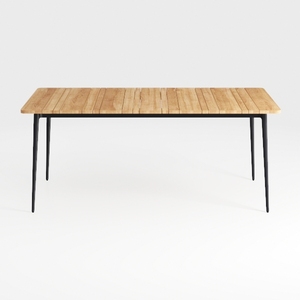
Modern Minimalist Solid Wood Metal Dining Table 3D Model


Minimalist Solid Oak U Shaped Side Table 3D Model
Looking to transform your space? Homestyler is your go-to online home design platform! Effortlessly explore your creativity with its easy-to-use design tool, stunning 3D renderings, inspiring design projects, and helpful DIY video tutorials. Bring your dream home to life today!
Projete agora para LIVRE
































