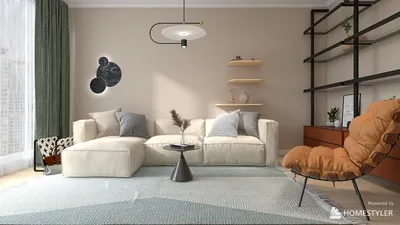


I have transformed numerous small homes where the rooftop deck serves as an incredible living space in the sky. When designed appropriately, even a compact area can feel expansive, ensure smooth movement, and provide a versatile environment suitable for day and night activities. Research indicates that incorporating outdoor spaces, natural daylight, and views can enhance the perceived quality of space by 20–25%, which is crucial for smaller residences. Similarly, the WELL v2 standard underscores the importance of natural light, fresh air, and restorative outdoor settings as vital elements for comfort and mental health, aligning perfectly with my design approach using tools like Homestyler.
Effective lighting and ergonomics are essential for usability. The Illuminating Engineering Society (IES) suggests maintaining light levels between 300–500 lux in work areas while minimizing glare below the Unified Glare Rating to ensure user comfort. This balance is particularly important on rooftop decks where lighting dynamics shift from day to night. Furthermore, studies in color psychology reveal that soft blues and greens can alleviate stress and visually cool down hot surfaces, contributing to a serene atmosphere in small outdoor spaces.
By integrating smart modular planning with a comprehensive understanding of circulation, wind patterns, and privacy zones, a rooftop deck can accommodate dining, relaxing, gardening, and light work without overwhelming indoor spaces. During my layout prototyping, I prioritize zoning, analyze foot traffic paths that should remain clear (minimum 30–36 inches), and visualize furniture arrangements to avoid congestion and noise interference. Tools like room layout software can effectively demonstrate proportions and spatial relationships before finalizing material choices.
Key Design Considerations for Homes with Rooftop Decks
Begin with a focus on vertical integration. If the rooftop deck is situated above the living area, strategically align functions so that the kitchen is easily accessible via stairs or a hatch for smooth service to the deck. Ensure a minimum stair width of 36 inches, adding landings where headroom is limited. In smaller designs, I often relocate the stairs to the thermal edge of the building, freeing up interior space for a fluid open-plan layout.
Access and safety factors significantly impact long-term usability. Guardrails set at 42 inches enhance perceived safety over minimum height solutions, while uninterrupted top rails can serve as tray rails during social gatherings. Incorporate low-brightness LED step lighting (5–20 lux) to safeguard night vision and prevent trips, and select surfaces rated R11–R12 for slip resistance at stairs and thresholds to effectively manage moisture.
Designing a Rooftop Deck that Expands the Home's Living Space
Consider the deck as the 'fourth room.' Implement a zoning strategy of 60/30/10: 60% for the communal area (seating and dining), 30% for flexible space (planters, benches, a compact bar), and 10% for service functions (storage, grill space). To minimize traffic through seating areas, maintain the primary circulation path along one side. In my projects, a perimeter banquette can save 25–35% of floor space compared to standalone furniture while offering concealed storage for cushions or outdoor utensils.
For layouts that alternate between dining and lounging, opt for compact tables that can be expanded (like drop-leaf or telescoping designs) and accompany them with stackable chairs. Selecting a low-profile sectional—24–26 inch seat depth and 15–17 inch seat height—ensures open sightlines, which is vital in close-set structures. If your design is in flux, use an interior layout planner to verify clearances regarding door swings, appliance safety zones, and wind direction before making purchases.
Illumination, Shelter, and Year-Round Comfort
Usability during the day heavily relies on shade and glare management. Aim for 50–70% coverage using a pergola or tensioned fabric canopies; this maintains views of the sky while reducing heat buildup. I usually recommend fabrics with a light reflectance value (LRV) of 50–65 to mitigate solar gain without generating harsh glare, complemented by side screens on windward sides to diminish breezes in transitional seasons.
Nighttime lighting should be thoughtfully layered: ambient light (100–150 lux for dining areas), accent lighting (warm grazers along planters), and task lighting at cooking stations (200–300 lux, shielded). Use a color temperature of 2700–3000K for inviting warmth and accurate food color representation. Ensure fixtures are positioned below eye level or fully shielded; even minor glare on compact decks can impact comfort significantly.
Materials and Maintenance for Small Spaces
Small areas tend to show wear quickly. Opt for durable, dimensionally stable decking options such as thermally modified wood, mineral-based composites, or porcelain pavers laid on adjustable pedestals for effective drainage. For weight considerations, aluminum framing with porcelain panels can help manage loads. It’s wise to select slip-resistant materials with rounded or eased edges; these are gentler on bare feet and soften light reflections.
To maintain visual continuity, carry the deck's color scheme indoors with a slight change in saturation—retaining the same color family but using deeper hues inside—so both spaces appear cohesive. Research indicates that cooler tones can lessen perceived temperatures, benefiting sun-drenched rooms, while warmer accents (such as terracotta and muted ochre) can prevent a sterile atmosphere during colder months.
Noise, Privacy, and Community Considerations
In densely populated areas, courtesy translates into good design. Utilizing a combination of vertical screens and dense greenery (such as bamboo, which grows in clumps to limit spreading) creates both acoustic and visual shields. For small rooftop decks, aim for a 6–12 inch gap between screens and the parapet, utilizing sound-absorbing materials (like outdoor-rated felt or textured landscaping) to disrupt sound reflection. Positioning seating away from shared walls can mitigate noise transfer during late hours.
Within the interior, employ the stairwell as a sound barrier. A solid-core door or a plush curtain at the stair's base can significantly diminish noise transference from late-night returns from the rooftop deck. Keep mechanical units off the deck or isolate them on shock-absorbing mounts to minimize vibrations within compact structures.
Human-Centric Design and Ergonomics
Clearance and reach areas are crucial in smaller homes. Ensure a hallway width of 36 inches for primary routes, while 30 inches suffices for secondary paths where two-way traffic occurs less frequently. Seat backs positioned at 100–110 degrees promote comfortable dialogue; however, if views are paramount, a slight recline is advisable, without compromising sightlines. Countertop heights should be at 36 inches with bar heights set at 40-42 inches, incorporating recesses for the knees (10-12 inches) to maintain a clear pathway.
Interested in outdoor cooking? Ensure to follow grill manufacturer guidelines for clearances and place the cooking zone upwind of seating areas; even a minor offset of 3–4 feet plus perforated windbreaks can keep smoke at bay.
Storage Solutions, Utilities, and Smart Design
Maximizing every cubic foot is essential. Design built-in storage within seating areas and stair landings. On the rooftop, install lockable under-bench compartments to safeguard cushions and accessories. Incorporate an outdoor power circuit for lighting and heating (with GFCI protection) and ensure a water supply for gardening and cleaning tasks for added convenience. Integrate smart outdoor-rated switches to adjust lighting levels to 30–50% post-dinner and illuminate task areas at the grill.
Designing for Seasons and Durability
In a four-season climate, consider adaptable designs: install ceiling fans under pergolas for summer and low-profile infrared heaters for warmth during cooler months. Choose rugs made from solution-dyed fibers for UV and stain resistance, along with quick-dry foam cushions. For colder regions, prioritize cover systems to shed snow and keep hardware accessible for maintenance.
Creating Seamless Interior-Exterior Transitions
Utilize expansive doors (8–10 feet wide when possible) along with a uniform floor finish to create an illusion of space between indoors and outdoors. A transition strip of 1/4–3/8 inch maintains drainage while keeping a nearly flush threshold for accessibility. Aligning furniture across the threshold establishes a harmonious flow, with a well-placed pendant light centered over both dining tables—inside and out—unifying the two spaces.
Color, Atmosphere, and Nighttime Ambiance
Color psychology operates quietly yet effectively in small homes. Shades of blue and green promote relaxation and spatial distance, while warm whites (3000–3500K from interior lamps) ensure flattering illumination for faces at night. To bring coherence without creating clutter, introduce one rich accent color—such as rust, olive, or deep teal—in small, repeatable elements throughout the design.
Landscaping, Water Management, and Climate Control
Integrate planters into your design: they add weight along edges, frame views, and create microenvironments. Implement a mixture of tall screening plants and aromatic herbs. Use drip irrigation on a timer to minimize maintenance; incorporating moisture sensors helps with irrigation management post-storm. If permitted by code, slimline water tanks can be placed under the deck to collect runoff for irrigation, easing the load on stormwater systems.
Project Budgeting and Staging
Break down the project into phases: focus on the structure and waterproofing first, followed by shade elements and utilities, and finally the addition of furniture and landscaping. Even a simple deck equipped with well-placed lighting and a banquette can redefine usage patterns before the installation of more elaborate features. I often prioritize railing enhancements early on, emphasizing safety and comfort before integrating screens and pergolas once the circulation patterns are confirmed.
Practical Layout Ideas that Succeed
- A corner banquette with hidden storage paired with a compact, extendable table; the main traffic flow runs opposite to the seating area.
- A grilling area set crosswind alongside a slim preparation counter and discreet waste disposal; maintain a buffer of 36 inches to the seating.
- Planter walls framing a chaise lounge corner; integrate warm dim lighting for evening ambiance.
To efficiently develop these layout ideas and verify clearances, employing a layout simulation tool can assist in maintaining accurate proportions before final decisions are made.
Frequently Asked Questions
It is possible to accommodate usable spaces even within 120–160 square feet if movement paths are optimized and seating is built-in. A corner banquette combined with a small table typically outperforms scattered seating arrangements.
Aim for ambient lighting levels of 100–150 lux for dining, 200–300 lux at cooking tasks, and manage glare with shielded fixtures. For indoor settings, maintain levels of 300–500 lux at task surfaces according to IES standards for comfort.
Interior stairs provide weather protection and security; external stairs can save indoor space but require strategic waterproofing and slip-resistant materials. Keep a clear width of 36 inches and ensure low, even riser heights are used.
Utilize partial-height panels and plant groupings on the windward side. Perforated barriers diminish pressure while preventing turbulence; an open area of 30–50% usually offers the best comfort.
Materials like porcelain pavers, thermally modified wood, and mineral-based composites withstand weather challenges and call for minimal maintenance. Selecting corrosion-resistant fasteners and concealed clips will enhance comfort for bare feet.
Maintain a cohesive color palette. Cooler shades create an illusion of depth, making boundaries feel more remote. Ensure visual continuity between indoor and outdoor spaces with a unified hue family and varied saturation.
Combine vertical screens, soft vegetation, and strategic seating arrangements away from shared boundaries. Inside, a solid-core door at the base of the stairs helps limit noise during late-night activities.
Provide shading and fans for hot weather, coupled with windbreaks and infrared heaters for cooler weather. Select quick-drying cushions and UV-resistant textiles alongside cover systems to manage snow or severe rain.
Absolutely, provided clearances are adhered to and ventilation is adequately planned. Position cooking areas downwind of seating with non-flammable surfaces in proximity; verify local codes and manufacturer recommendations during planning.
Opt for guardrails with a height of 42 inches where codes permit, ensuring continuous top rails for stability, and select designs that avoid climbable gaps. Consider integrating a low-profile LED light under the rail for nighttime visibility.
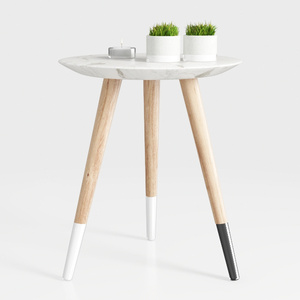
Round End Table - 2-Tone Mid-Century Modern Home

Round Wood Coffee Table - 29.53" Wooden Coffee

Jennifer Taylor Home Knox 89" Modern Farmhouse Rev
Looking to transform your space? Homestyler is an outstanding online home design platform that offers an intuitive design tool, stunning 3D renderings, and a wealth of DIY video tutorials. Whether you're a beginner or an expert, Homestyler makes it easy to create your dream home effortlessly!
Diseño ahora GRATIS
































