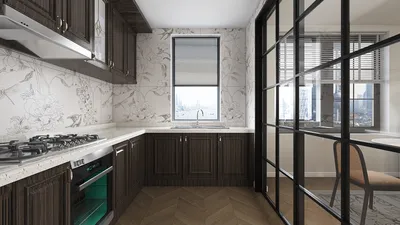


Creating a compelling kitchen brand—whether it’s for a home remodel, a trendy culinary workspace, or a cozy cafe-like kitchen—begins with a logo that reflects the clean aesthetics, authentic materials, and functionality of the space. My approach to crafting a sleek kitchen logo integrates spatial awareness, ergonomic principles, and a well-defined visual hierarchy. The typography should resonate with the proportions of cabinetry, iconography should align with appliances and fittings, and the color scheme must enhance the ambiance created by task lighting and surfaces. A strong brand identity should feel as though it is an inherent part of the kitchen, rather than simply an addition.
Logos truly succeed when they resonate with the practical functions of a kitchen. Studies suggest that individuals respond positively to clear visual elements in practical settings: colors can evoke emotions and intentions, which is essential as kitchens serve both communal and precision purposes. For example, cooler tones may convey cleanliness while warmer accents foster social interactions; this reflects key ideas from color psychology. Furthermore, the standards of lighting play a crucial role. The contrast and clarity of a logo must be effective under task lighting conditions suggested by the IES standards, particularly in food preparation areas where reflective features can heighten glare.
The identity of a kitchen should enhance its operational effectiveness. Research in workplace design illustrates that well-organized environments lead to greater satisfaction and efficiency; these same principles can be applied to culinary spaces in residential and commercial settings. Drawing from empirical data—like the layout-centric workflow efficiencies identified in Steelcase studies—I shape the placement of logos and signage systems. Wayfinding elements for storage, appliance sections, and coffee areas can be seamlessly integrated with a cohesive logo and typography, making everyday use more intuitive and efficient.
Key Principles for Designing a Sleek Kitchen Logo
Intentional minimalism: restrict the logo to essential geometric shapes. I often commence with a simple monogram or an abstract representation of kitchen utensils simplified to minimal strokes, sized proportionately to cabinetry modules or tile layouts. The proportions of the logo should mirror the kitchen's overall spatial dynamics. For instance, if the base cabinets adhere to a consistent 600 mm module, the logo can use a corresponding rhythm that ensures visual harmony.
Appropriate typography: choose humanist sans-serifs or geometric sans-serif fonts with balanced x-height to ensure readability under varying lighting conditions. Rounded edges soften the look of industrial appliances, while sharper designs complement ultra-matte surfaces and linear LED lighting.
Color choices with purpose: maintain a neutral primary palette (like charcoal, stone, or soft graphite) and introduce a single accent hue derived from the materials—such as brass fittings, terracotta, or rich forest cabinetry. Color selections should align with psychological insights: cooler shades around prep spaces enhance the feeling of precision, while warmer colors near dining areas invite conversation and connection, consistent with findings in color psychology.
Contrast for visibility: check the logo’s contrast ratio to ensure it is legible on both matte and glossy backgrounds. Utilize adjustable task lighting and avoid high-gloss vinyls directly beneath intense LED strips to mitigate glare; follow recommended practices based on IES guidelines.
Strategic Logo Placement in the Kitchen
Logo placement must consider the efficiency of workflow triangles (sink, stove, refrigerator) and thoroughfare patterns. I prefer not to position logos in splashed zones during food prep to avoid distraction and possible wear; instead, I situate subtle designs on cabinet side panels, storage areas, or beneath open shelving. In cafe-style kitchens, a modest logo placed on the coffee area face panel or menu board establishes a focal point without disturbing overall sightlines.
If you are experimenting with cabinet designs, utilizing a layout simulation tool can help visualize sightlines and branding integration before construction; consider using this space design tool to assess how the logo fits within circulation patterns and lighting arrangements.
Material and Finish Considerations for Logos
Material selection influences both longevity and aesthetic appeal. In high-traffic areas, I recommend using etched anodized aluminum or powder-coated steel badges with subtle textures to reduce visible fingerprints. On wooden surfaces, a discreet foil stamp or CNC-inlaid emblem honors the grain while avoiding delamination. Ultra-matte laminates pair effectively with low-sheen prints, whereas stone or synthetic surfaces are best complemented by minimal engraving located away from cutting zones.
To prioritize sustainability, choose finishes that utilize low VOC processes and recycled materials when possible. Resources like Material ConneXion can help in selecting eco-friendly substrates and coatings that still present a high-quality appearance.
Ergonomics and User Interaction
A well-placed logo functions as a subtle navigational aid within a kitchen’s ergonomic range. Markings should fall within an ergonomic reach zone (approximately 500–700 mm above the counter for smaller wayfinding labels), while visual clutter should be minimized near critical handling areas—such as drawer pulls or appliance controls—to decrease the likelihood of errors. Typeface weights must ensure readability from standard kitchen viewing distances (1.5–3 m), and any accompanying text (like 'Pantry,' 'Coffee,' 'Prep') should remain below 14–18 pt for small signs, scaling up for wall graphics as necessary.
Mitigating Acoustics and Visual Distraction
Kitchens with hard surfaces frequently struggle with sound reverberation, which can heighten visual strain. Keeping the logo subdued—using a single color and low gloss—lessens visual distractions. Pairing simple graphics with acoustic treatment or soft-finish seating can lower sound reflections; a muted identity conveys a more premium feeling in serene, controlled environments.
Lighting Considerations for Logo Design
Counter task lighting generally varies from bright, cool-white sources to warmer ambient lighting for a softer atmosphere. I coordinate logo finishes with these temperature shifts: brushed metals appear elegant under cooler task light, while warm brass exudes luxury under ambient settings of 2700–3000K. Dim-to-warm LEDs can help avert harsh contrast that might overshadow fine-lined logos.
Understanding Workflow and Behavioral Interactions
Families and groups utilize kitchens differently throughout the day. A thoughtful identity can help delineate activities: a small logo near the breakfast area signals quick access for morning routines; a gentle emblem around the evening bar invites relaxation. Consistent logo placement and a clear typographic system mitigate cognitive load, echoing studies on environmental clarity and user experience highlighted by the Interaction Design Foundation.
2024-2025 Design Trends for Logo Creation
Ultra-matte finishes: high-performance laminates and quartz featuring velvet surfaces favor subtle logos that do not overpower.
Linear lighting and shadow dynamics: slim, integrated lighting enhances simple logo designs; avoid backlit logos unless they are dimmable and treated for glare.
Authentic materials: visible textures, limewashed walls, and untreated metals elevate sincerity—logos should feel either etched, stamped, or inlaid rather than plasticky.
Soft geometric typefaces: humane sans-serifs with nuanced variations harmonize with rounded countertops and fluted surfaces.
My Workflow: From Concept to Execution
Discovery Process: I identify spatial functionalities, usage patterns, and sightlines. We establish the overall tone—clinical minimalism, warm modernity, or industrial sophistication—and assess material limitations.
Concept Development: I produce 3 to 4 logo options—monogram, abstract culinary tools, spatial grid marks—complemented by color and typography explorations. I ensure legibility under diverse light conditions and gloss levels.
Prototyping: We create mockups for placements on cabinet edges, storage zones, splashbacks (when appropriate), and menu boards. An interior layout planning tool helps check visibility and movement flows.
Finalization and Installation: I collaborate with millwork professionals and sign fabricators for material-appropriate finishes. Specific mounting heights and attachment methods are detailed to prevent moisture intrusion or obstruct appliance airflow.
Common Mistakes to Avoid in Kitchen Branding
Avoid overly complex logos that can become indistinct under operational lighting or when viewed at scale.
Refrain from using high-gloss finishes close to bright lighting fixtures to prevent glare problems.
Steer clear of branding in heavily used preparation areas to minimize wear and hygiene issues.
Ensure color consistency across different materials—always test on final substances before approval.
FAQ Section
For edge panels or appliance areas, I recommend emblem sizes from 40 to 80 mm wide, which read clearly from 1.5 to 2.5 m and do not dominate cabinetry.
Use cooler task lighting (around 3500-4000K) for preparation areas and warmer ambient light (2700-3000K) for seating zones. Choose finishes that preserve contrast across both environments.
Favor matte or textured finishes; ensure contrast ratios are aligned and avoid glossy logos in direct light paths from LED fixtures, complying with IES recommendations.
Absolutely. Cooler greys and blues can evoke cleanliness and concentration; warmer accents like brass or terracotta add a comfortable feel. Refer to studies on color psychology for deeper insights.
Select locations near secondary focal points: the coffee area fascia, end panels that face living sections, or menu boards, while steering clear of main preparation zones.
Utilize anodized aluminum, powder-coated steel, and inlaid wood logos for good performance. For stone surfaces, use shallow etching away from cutting zones.
Design the logo following a grid that mirrors cabinet dimensions; align edges with stiles or architectural elements to ensure cohesiveness. A room design visualization tool can assist in evaluating alignments.
Only if you can adjust and manage glare effectively. Perimeter illumination can work on feature walls, though it is advisable to keep output low and test reflections on adjacent glossy materials.
Choose humanist or geometric sans-serifs with moderate x-height—clean, straightforward, and compatible with matte finishes and linear lighting setups.
Reduce scale, utilize tactile finishes, and merge the logo with material seams. Aim for a discreet signature rather than overt signage.
Discover the ease of home design with Homestyler! This intuitive online platform offers a fantastic design tool, stunning 3D renderings, and a wealth of inspiring design projects. Plus, with helpful DIY video tutorials, you can transform your space effortlessly. Perfect for both beginners and seasoned designers!
Concevez maintenant gratuitement
































