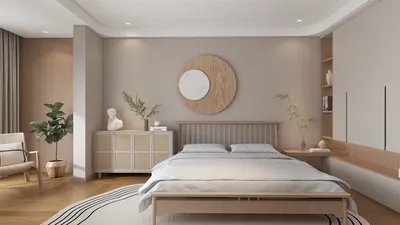


Designing a bedroom that caters to sisters of varying ages is an art of balance, where each space should promote individuality while also supporting distinct routines, all within a harmonious design. In my work, I've noticed that the most effective shared spaces start with a well-thought-out zoning strategy. This method divides the room into distinct areas for sleeping, studying, playing, and storing belongings, avoiding a cluttered feel. Such thoughtful arrangement not only enhances overall well-being but also aligns with the WELL v2 Light guidelines, which suggest using age-appropriate lighting levels—approximately 300–500 lux for general tasks and 500–750 lux for focused homework. This can significantly reduce eye strain and enhance concentration, particularly benefiting the older sibling's study environment. Moreover, research by Steelcase emphasizes the importance of adaptable furniture, showcasing how strategic flexibility can lead to enhanced comfort and productivity in shared spaces that accommodate both children. By incorporating tools like Homestyler, you can visualize these layouts effectively.
The choice of colors and the soundscape within the room plays a crucial role in the overall atmosphere. Insights from Verywell Mind reveal that soft hues such as blues and greens promote tranquility by reducing heart rate, while vibrant shades like coral and sunflower yellow can energize play areas without overwhelming the space. In terms of acoustics, applying the WELL v2 Sound concept can be beneficial; utilizing soft materials helps in sound absorption. Consider incorporating elements like cork boards, fabric headboards, area rugs, and lined curtains to dampen noise, especially when sleep and study times differ. These design elements are not merely decorative; they serve as subtle reminders for positive behavior among sisters.
Establish Zones That Respect Different Routines
I typically define four micro-zones: sleeping, studying, playing, and shared storage. Position the younger sister’s bed where supervision is most accessible, often closer to the door, while the older sister's bed can be placed in a quieter area of the room. For more extensive rearrangements, utilizing an interior layout planner can be beneficial to visualize and confirm the placement of beds and desks before making changes. Test various layouts with a tool like Homestyler to ensure adequate space around drawers, bunk beds, and chairs.
Choose the Right Bed Strategy
Bunk beds are a space-saving strategy, yet they may not be suitable for all age gaps. If there’s a significant difference in ages, consider staggered twin beds with a shared nightstand, making independent bedtimes simpler. For rooms narrower than 9 feet, a lofted bed for the older sister with a play or reading nook below can free up floor space for the younger sibling. Always maintain at least 30 inches of clearance between the upper bunk and the ceiling; adding gentle night lighting alongside the ladder is essential for safety. For versatility, a trundle under the older sister's bed is a clever solution for sleepovers or transitions.
Create Dual-Purpose Desks Without Turf Wars
Opting for two compact desks tends to foster a harmonious sharing environment more than a single long table. Each sister benefits from task lighting of 500–750 lux for their homework activities, utilizing 90+ CRI LED lamps for accurate color representation during art tasks. A shared storage system between the desks can be useful for collective supplies. If space is limited, foldable wall desks by windows can be a practical alternative—ensure glare is managed with top-down/bottom-up shades to maintain readability during study time.
Layer Lighting for Both Calm and Focus
A comprehensive lighting plan should incorporate three layers: ambient, task, and accent. Maintain ambient lighting at 300–500 lux to keep the room bright yet comfortable, avoiding harsh glares. For specific tasks, dedicated lighting should be positioned at desks and beside beds (swing-arm sconces are excellent for bedtime reading). Accent lighting, such as LED strips behind shelves or along a bunk's guardrail, adds a whimsical touch for younger occupants while also serving as a nightlight. Opt for warm-neutral color temperatures around 3000–3500K for relaxation, transitioning to 3500–4000K at desks for productivity. Following IES guidelines, mitigate glare by using diffusers and ensuring angles above 30 degrees do not intersect the eye line.
Build Storage That Teaches Sharing
Designate a personal storage area for each sister—higher cubbies and rods for the older sibling, while the younger one gets lower bins and hooks. Shared items can be centralized for easy access: think board games, art supplies, and seasonal decorations. To maintain a tidy floor, I advocate for a blend of closed and open storage; closed units minimize visual clutter, while open storage provides quick access. Soft-close hardware and user-friendly finger-pull fronts enhance safety for younger kids.
Color Palettes That Bridge Ages
Begin with a calming base using soft sage, dusty lilac, or warm gray tones. Next, differentiate accent colors by zone—for instance, coral and brass near the older sister’s study area, while mint and sky blue enhance the play section. According to Verywell Mind's color psychology findings, cooler couleurs promote relaxation, while warmer shades invigorate play zones, so apply warm tones sparingly in resting areas and more freely in active spaces. A striped rug or contrasting wardrobe doors can also unify the overall color scheme while providing each sister with her unique visual identity.
Acoustic Comfort for Smoother Bedtimes
Hard surfaces amplify sound. To counter this, incorporate a dense area rug, fabric roman shades, and cork or felt panels near the desk wall to absorb noise. Additionally, having a small white-noise device near the younger sister’s bed can effectively mask the older sibling’s late-night activities, adhering to the WELL v2 Sound principles for minimizing disruptions.
Materials That Age Gracefully
Select low-VOC paints and materials to boost indoor air quality. Design features such as rounded corners on furniture, anti-tip straps for taller items, and wipeable performance fabrics on headboards are essential. A durable mid-tone flooring can conceal scuffs well, while washable cotton-linen blends help keep textiles breathable. Consider adding magnet paint or a pinboard for showcasing art to limit wall damage from tape.
Small Room Playbook
In spaces where every square foot counts, think vertically and modularly. Instead of traditional nightstands, wall-mounted shelves can serve bedside needs, while over-door organizers can help manage accessories. Under-bed drawers are perfect for seasonal items. Utilizing mirrored panels on wardrobe doors enhances the feeling of space; a single curtain can delineate a study area, providing psychological privacy without bulk.
Personalization Without Visual Chaos
Allow each sister the freedom to personalize a specific area: a framed poster rail for the older sibling's artwork and a pegboard grid for the younger sibling's crafts. Selecting bedding within the same base color scheme keeps a unified appearance, with each sister swapping out pillow covers and throws to reflect their individual styles. Clearly label shared containers with icons and words to empower younger ones in tidying up.
Layout Scenarios I Recommend
- For long, narrow rooms: arrange beds in a T-shape at one end and place desks by the window, ensuring glare control.
- For square rooms: position beds on adjacent walls with a shared corner canopy for coherence.
- For bay window rooms: float a shared window bench with storage under it; locate a loft on the opposite wall for the older sister. Before shifting heavy items, use a layout simulation tool to check circulation and chair clearances.
Routine Cues That Keep the Peace
Utilize lighting scenes as behavioral signals: employ a warm dim light at 8:00 pm to cue quiet activities; switch off desk lamps post-homework; and turn on accent lights during winding-down time. A small clock on each desk and a weekly cleaning timer foster independence while minimizing disputes over personal messes.
- Beds should be placed to reduce interruptions during nighttime.
- Two desks should have individual lamps along with a shared supply drawer.
- Storage should be zoned by personal use and activity type.
- Incorporate an area rug, lined drapery, and a single acoustic pinboard.
- Use nightlights or LED strips for ladder or pathway illumination.
- Establish glare control for study areas near windows.
- Ensure 30 inches of clearance in front of drawers and 36 inches at door swings.
FAQ
Q1: How can I create privacy for each sister in a shared room?
A1: Utilize partial dividers such as a low bookcase, canopy rails, or a curtain that can be drawn across beds while keeping the ceiling open for light. Distinct storage areas and clear personal zones are crucial for privacy, emphasizing both physical boundaries and personal space.
Q2: Should I choose bunk beds or twin beds for siblings of different ages?
A2: Should routines vary significantly, twin beds or a loft plus a twin provide more flexibility. While bunks conserve floor space, they complicate staggered bedtimes. If bunk beds are chosen, prioritize safety clearances and consider ladder lighting.
Q3: What specific lighting should I aim for homework areas?
A3: Aim for 500–750 lux over work surfaces with LED lights in the 3000–4000K range and a CRI of 90+ or higher. Include ambient lighting ranging from 300–500 lux to minimize eye strain and prevent glare.
Q4: How can I manage noise when one child has an earlier sleeping schedule?
A4: Combine sound-absorbing elements like a thick area rug, lined drapes, felt pinboards, and soft-close hardware. A white-noise machine placed near the younger sister's bed can help mask the sounds of page turning and whispers without increasing overall noise levels.
Q5: What color scheme works well for siblings of varying ages?
A5: Opt for a serene base color like sage, soft gray, or dusty lilac and assign accent colors according to each sister’s area. Cooler tones are ideal for promoting tranquility, while warmer shades invigorate play spaces, so moderate the use of warmer colors in rest areas.
Q6: How can I accommodate two desks in a compact room?
A6: Look for desks measuring 24–30 inches wide or even wall-mounted, fold-down options. Allow for 30–36 inches behind chairs for movement. A shared central drawer unit and shelves above desks can maximize available floor space.
Q7: What long-term storage strategy can minimize clutter?
A7: Personalize vertical storage (upper cubbies for older siblings, lower bins for the younger) alongside shared bins for communal items. Clearly label bins with icons and words so both sisters can participate in tidying up.
Q8: How do I make the room adaptable as the younger sister matures?
A8: Opt for modular furniture, adjustable shelving, and a neutral base color scheme. Acquire timeless furnishings for key pieces and simply swap textiles and small accents as needs and preferences evolve.
Q9: Can you suggest safe, soothing night lighting solutions?
A9: Use low-level warm LED lights (ranging from 2700–3000K) along pathways and ladders, adding motion sensors or dimmers as needed. Avoid using direct line-of-sight bulbs to minimize glare.
Q10: What’s the best method to layout furniture before purchasing?
A10: Mark clearances on the floor with painter's tape to visualize space and test door/drawer movements. Use a digital interior layout planner like Homestyler to simulate heights and access before making a purchase commitment.

INTERGREAT Metal Storage Cabinet,72" Steel

VICITON Modern Narrow Faux Leather Nightstand


Moe's Home Collection Joan Fabric King Storage in
Homestyler is your go-to online platform for transforming your home design dreams into reality. With its user-friendly design tool, stunning 3D renderings, inspiring design projects, and helpful DIY video tutorials, you can unleash your creativity and reimagine your space effortlessly!
Design jetzt kostenlos
































