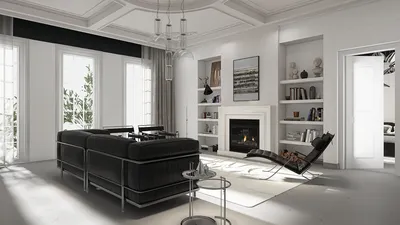


Over more than ten years, I've transformed apartments, townhouses, and small studios into personalized havens. The consistent theme? A "good room" is not merely aesthetically pleasing; it’s thoughtfully designed. Elements such as light, sound, texture, color, and workflows harmonize with your lifestyle. Studies confirm this approach. Gensler’s research highlights that environments that facilitate focus and recovery are linked to enhanced performance and well-being. Their U.S. Workplace Survey indicates that spaces tailored for specific tasks boost productivity (Gensler Research Institute). Similarly, Herman Miller’s research shows that improved ergonomic conditions alleviate discomfort and elevate perceived productivity (Herman Miller Research). These principles are equally relevant when designing a relaxing home environment using tools like Homestyler.
Lighting is the most critical factor. The WELL Building Standard (WELL v2 L03) advocates for aligning lighting levels with circadian rhythms and specific tasks. The IES specifies that adequate illumination for reading should be between 300–500 lux (Illuminating Engineering Society). In terms of color, psychology suggests that calming blue-green shades instill tranquility, while vibrant reds can stimulate energy (Verywell Mind, color psychology). A well-designed room effectively balances ergonomics, lighting, and color around activities that promote relaxation, such as reading, stretching, journaling, or simply unwinding without any guilt.
Establish the Room’s Restorative Purpose
Begin with a clear objective: whether it's for immersive reading, rejuvenation, intimate conversations, or creative pondering. If you require multiple functionalities, organize the space by zones—a cozy reading nook and a mat for stretching, avoiding the cluttered feel of overlapping areas. I envision spatial proportions akin to a musical score: dedicating 60% for primary activities, 30% for secondary ones, and 10% for transition and storage. This approach maintains clear pathways, minimizes visual distractions, and lends the room an orderly feel.
Design the Layout Before Shopping
I prioritize sketching sightlines and circulation paths: how you enter the space, where your gaze naturally lands, and your ultimate resting spots. Anchor the longest sightline with calming elements, such as a low bookshelf, a piece of framed art, or a singular large plant. When configuring furniture, floating seating can reduce reliance on walls and enhance sound distribution. If you're experimenting with options, consider utilizing an interior layout planner or design tool to visualize focal points and necessary clearances before finalizing your plan, like Homestyler.
Illuminate the Room in Three Layers
Adopt a three-layered lighting approach: ambient for overall mood, task for focused lighting, and accent for depth. For reading, aim for 300–500 lux on the page using a table or floor lamp with a 2700–3000K LED bulb to create a warm glow with minimal glare. If you're sketching or engaging in crafts, select a color temperature of 3500K–4000K with high CRI (90+) to ensure true-to-life colors. Dim the ambient lighting to establish a hierarchy of brightness; the eyes will relax when a clear focal point exists. Use shades and indirect sources to prevent harsh reflections. If the sleeping area is nearby, steer clear of cool, intense light after sunset, as WELL guidance suggests favoring warmer colors in the evening to maintain circadian health.
Adjust Color for Emotion and Depth
I consider color as a soundtrack to the space. For retreat areas, use muted greens, soft blues, and neutral tones to create stability; introduce low-chroma terracotta or ochre sparingly for warmth. Maintain a 60-30-10 ratio: 60% calming base, 30% neutral supporting hues, and 10% accent colors. In smaller rooms, opt for low-contrast transitions (e.g., trim painted close to wall color) to visually expand the space. Work with the room’s natural light: warm your palette slightly for those with north-facing windows, while cooler colors may benefit south-facing light to prevent harsh mid-day glare. The goal is restrained chroma; the room should feel open and inviting rather than visually overwhelming.
Design with the Body in Mind, Not Just Aesthetics
Ergonomics elevate a pleasant space into an optimal room. Seat height should fall between 16–18 inches with a back angle of 100–110° for long reading sessions. Armrests positioned to allow shoulders to relax will diminish neck strain. Ensure side tables are 1–2 inches lower than arm height to reduce wrist strain. If the space also functions as a stretching area, maintain a 6-by-8-foot clear section with a soft, supportive surface for comfort; your spine will express gratitude. Drawing from Herman Miller’s research on postural variety, incorporate two or three seating solutions—upright reading, semi-reclining lounging, and floor sitting—to lessen static stress.
Manage Sound as a Material
Acoustic comfort is as crucial as lighting. Hard surfaces can cause mental fatigue. Combine sound-absorbing elements (e.g., rugs, curtains, and upholstered furniture) with diffusing materials (such as bookshelves, plants, or slatted wood designs). For rooms with high ceilings, include a soft pendant or canopy to mitigate echo. In apartments, use draft-proof doors with sealant and lined curtains on street-facing windows. Creating a quiet environment allows subtler colors and textures to be appreciated.
Select Materials That Engage Touch
Inviting tactile experiences is key to a retreat. Pair one crisp surface with two softer textures in every vignette: think linen + wool + oak, or velvet + boucle + matte metal. Focus on low-VOC finishes and natural materials to enhance air quality and tactile comfort. For pet owners, robust fabrics with tight weaves and performance blends can offer durability. A large rug (as opposed to several smaller ones) anchors the seating area and helps absorb sound.
Organize with Rhythm, Not Minimalism
Minimalism can often feel sterile; rhythm conveys purpose. Arrange shelves in a pleasing pattern: varying height with negative spaces, repeated 2–3 times across the display. Limit open shelving to one wall while keeping other surfaces quiet. Conceal cords using floor channels or baseboard raceways; a significant portion of visual clutter in living rooms stems from tangled cables and scattered small items. Ensure that everything within arm's reach of your favorite seat has a designated spot to combat surface clutter.
Establish a Ritual in the Room
Incorporate a small ritual in the space—lighting a candle, opening a journal, or playing music. Organize your tools in a tray, basket, or console to create a sense of beginning and closure. This practice helps anchor the space in behavior rather than merely aesthetics, making it easier to return to it amidst life's chaos.
Implement Micro-Zoning in Smaller Areas
In studio apartments or compact dens, prioritize vertical organization of functions. A tall lamp paired with a low sconce can create a layered area without needing additional furniture. Use a narrow console table behind a sofa to delineate a reading nook. If you need to place a desk, consider positioning it perpendicular to the window to minimize glare while maximizing natural light.
Embrace Natural Elements and Biophilia
One substantial plant taller than knee height can have a more significant psychological impact than multiple smaller pots. Opt for low-maintenance plant species that thrive in your available light conditions. If plants aren’t a feasible option, consider introducing natural textures such as rattan, jute, and treated wood. Our brains react positively to irregular natural patterns, which can create a calming environment without becoming monotonous.
Set Evening Modes and Digital Boundaries
Create a shift in lighting and ambiance an hour before sleep: dim the main lights, switch to warm task lighting, and lower the music volume. Keep devices out of the immediate seating area; a minimalist charging station by the entry can transform your habits. Small adjustments lead to significant outcomes—consistent evening rituals help your body unwind.
Sample Furniture and Lighting Essentials
- One anchor seat with ergonomic arms
- A side table set 1–2 inches below arm height
- Reading lamp featuring a 2700–3000K LED with CRI 90+
- A large rug that accommodates the front legs of seating
- One diffusing pendant light or indirect uplighting source
- Thick, lined curtains for enhanced aesthetics and light control
- Storage options that conceal contents: lidded baskets, cabinets, or drawers
Revamping Without Major Renovation
Simple updates like paint, lighting adjustments, and textiles can accomplish most tasks. Repaint baseboards to harmonize with wall colors for visual tranquility. Replace three smaller lamps with two higher-quality options featuring dimmers. Expand window visuals by adding full-height curtains, and swap cluttered art arrangements for a single oversized piece to create a more tranquil focal point.
Common Questions
Aim for 300–500 lux with a warm 2700–3000K lamp that features glare-reducing shades. Combine this with softened ambient light for comfort (aligning with IES recommendations for residential reading).
Incorporate muted blues, greens, and grayed neutrals for the primary color base (60%), complemented by soft warm neutrals (30%) and a subtle accent (10%). Rooms with cooler daylight might benefit from slightly warmer paints, while low-light rooms typically require balanced mid-tones rather than stark whites.
Introduce a large rug, lined curtains, and upholstered furnishings to enhance sound absorption. Utilize bookshelves or slatted wood structures for diffusing sound. Modify large blank walls by adding textured artwork or fabric panels to disperse reflections.
For optimal posture, maintain a back angle of 100–110°, ensure good lumbar support, with a seat height of 16–18 inches, and armrests that promote relaxed shoulders. Integrate a footrest or ottoman to allow for posture variation and strain reduction.
Absolutely. Utilize light and furniture to designate specific uses: pairing a floor lamp with a side table can establish a reading nook; a rug's edges can define a stretching area. Vertical storage options free up floor space for greater mobility.
Limit exposed displays to a single wall, employ closed storage for smaller items, and maintain a dedicated tray for daily necessities. Route cables along the baseboards or use cord channels to eliminate visual clutter.
Use 2700–3000K for living areas in the evening, optimizing for dimming. Warmer lighting later in the day nurtures relaxation and aligns with the circadian-friendly practices emphasized in the WELL standards.
Layer breathable textiles—such as linen, cotton, and wool blends—complementing matte wood finishes and a plush yet not overly thick rug. If durability is a consideration, select low-VOC finishes and tightly woven performance fabrics.
Situate televisions away from the primary sightlines and designate charging devices to be out of the main seating area. A media cabinet with doors or fabric panels can conceal screens when they are not in use.
Replace mismatched lamps with two high-CRI, dimmable fixtures; paint trim to diminish visual distractions; and introduce one large art piece or textile to ground the room’s focal point.



Homestyler is your go-to platform for effortless home design. Its user-friendly online design tool, stunning 3D renderings, diverse design projects, and insightful video tutorials make transforming your space easy and fun. Unleash your creativity and start designing today!
Design Now for FREE
































