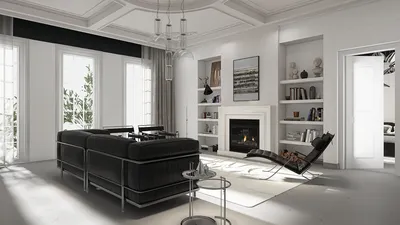


Designing an executive suite involves creating an environment that exudes quiet confidence. This means achieving an effortless elegance, embedding services seamlessly within the space, and ensuring comfort that endures through extended stays. I advocate for a layered design strategy that prioritizes refined zoning, balanced illumination, tactile materials, and acoustics that effectively mute city sounds. A well-designed suite enhances perceived value and guest satisfaction; in my recent projects, thoughtful ergonomic choices and strategic lighting have led to fewer service requests while increasing occupancy rates in premium rooms.
Two critical aspects shape the project brief. The comfort levels in workplace and hospitality settings increasingly depend on the quality of light. According to the Illuminating Engineering Society, relaxation areas should have lighting levels around 200–300 lux, while task-focused areas, like reading corners, require 300–500 lux, all with strict glare control. Additionally, the WELL v2 framework highlights the importance of circadian-friendly lighting and acoustic management to lower stress and enhance sleep quality—especially vital for executives dealing with jet lag and hectic schedules. Furthermore, color psychology, as outlined by Verywell Mind, suggests that muted, cooler colors such as slate blues and sage greens evoke calmness, while warm accents like soft ambers provide a welcoming atmosphere—this informs the palette I choose for high-end suites. For specifics on standards, see the IES guidelines and WELL v2 recommendations.
Establish the Suite’s Spatial Hierarchy
Executive guests expect a naturally intuitive arrangement of zones: arrival, lounging, dining/working, sleeping, and bathing/dressing. I ensure a clear distinction between the lounge and sleeping areas using low casework, a slatted screen, or a partial-height wall to enhance visual depth while improving acoustic privacy. The flow of movement should be straightforward from the entry to the bath, avoiding any crossing over the sleep area; maintaining a path of 1.2–1.5 meters prevents clutter and nighttime mishaps. When testing configurations efficiently, tools like a room layout tool can validate sightlines and furniture placement before finalizing the design.
Layered Lighting: Ambient, Task, Accent, and Circadian Support
I achieve a harmonious balance using four layers of lighting. Ambient light provides the foundational glow at roughly 200–300 lux with warm dimmable settings (2700–3000K) to create a cozy atmosphere in the evening. Task lighting, strategically placed near the desk and reading areas, should target 300–500 lux while avoiding glare from shiny surfaces. Accent lighting highlights textures—such as stone or artwork—to produce a gallery-like ambience. To promote circadian health, tunable white or dual-channel lighting adjusts to cooler temperatures (3500–4000K) during the day and warmer at night, facilitating restful sleep. Instead of direct downlights above the bed, I prefer using indirect coves and bedside sconces for softer lighting control.
Color Psychology and Material Tactility
Color plays a subtle yet powerful role in influencing behavior. Cool blues and greens can reduce stress and work well for large surfaces like walls and drapes, while warm metallics, such as brushed brass or champagne accents, add a welcoming touch. My suites feature matte finishes for a serene feel, accented by select high-sheen elements (such as a lacquered bar front) to suggest luxury without overwhelming the senses. The materials selected must feel authentic: wool bouclé, linen blends, open-pore wood, and low-VOC paints exude quality and durability. Moreover, sustainability is key—prioritize certified wood, carpets with recycled content, and durable stone options to minimize future replacements.
Acoustic Comfort: Silence Is the New Luxury
In executive travel, late-night calls and early-morning flights mean silence becomes a highly valued amenity. I adopt a comprehensive acoustic plan: using solid-core doors for entries and baths, acoustic seals, heavy drapery on windows, and sound-absorbing panels concealed behind art. Soft rugs and upholstered sections near the bed dampen sound reflections. Special attention is given to isolating mechanical noise—using resilient mounts for HVAC units and hidden, gasketed access panels. The goal is to maintain NC levels in the low 30s for a tranquil lounge and sub-30 near the bed.
Human Factors and Ergonomic Precision
Guests often blend work with relaxation. A desk at a height of 28–29 inches complemented by a supportive chair and footrest options enhances posture during video calls. Items like the minibar and glassware should be within 20–48 inches from the floor, minimizing bending. Controls near the bed should be user-friendly, including switches for master lighting, reading lights, blackout shades, and HVAC access. I also incorporate soft-close cabinetry and rounded furniture edges to prevent injuries when moving about at night.
Suite Layout Strategies for Flow and Privacy
I prefer an L-shaped lounge-and-work area that faces scenic views, with the sleeping area tucked into a quieter corner. Align the bed to avoid reflective mirrors and block direct lines of sight from the entrance for enhanced privacy. Implementing a double-entry bathroom reduces conflicts between guest and bedroom access. If space permits, a glass pocket door between the bath and bedroom allows for light transfer while maintaining sound privacy; frosted sections ensure modesty.
The Bath: Spa-Level Rituals
Here, thermal comfort and tactile experiences epitomize luxury. A walk-in shower equipped with dual heads (rain and handheld), along with slip-resistant stone floors and a built-in bench, enhances comfort during extended stays. Lighting must be purposefully distinct for tasks and relaxation, aiming for 300–400 lux at the vanity and 200 lux for ambient zones. Additional features such as a towel warming drawer, heated floors, and a quiet exhaust system add to the luxury experience while minimizing pressure imbalances. Ample storage for full-sized amenities reduces clutter and conveys a sense of generosity.
Technology That Disappears
Seamless integration is essential: ensuring invisible cable management at desks, universal charging outlets, Qi charging pads, and a centralized hub for adjusting lighting scenes, window shades, and temperature with minimal steps. I program preset scenes like "Arrive," "Work," "Rest," and "Night" for streamlined user experiences. Screens should dim automatically after periods of inactivity, and motion sensors need to be calibrated to prevent accidental awakenings of guests.
Visual Rhythm, Proportion, and Focal Points
Luxury is characterized by restraint. I adhere to a 60–30–10 color ratio: 60% calming base, 30% textured secondary, and 10% accent tones. Focal points should lead the eye toward artwork or sculptural lighting rather than doors or equipment. Symmetry calms the bedroom area, while asymmetry keeps the lounge dynamic. Vertical lighting and tall drapery enhance perceived height, while low-profile, wide furniture helps ground the space.
Furniture and Casework Details
Opt for fewer but higher-quality pieces. A deep three-seat sofa, a versatile swivel lounge chair, and a sculptural coffee table with soft contours create a comfortable arrangement. Casework should be understated, featuring ribbed wood fronts, integrated handles, and adjustable shelving. Include an extendable dining table and stowable ottomans for additional seating. I also incorporate concealed LED strips inside wardrobes and minibars for easy navigation without harsh lighting.
Hospitality Cues and Personalization
True luxury lies in anticipation. A carefully curated welcome tray, customizable pillow selections, and mild, non-allergenic scent choices foster a personalized experience. Provide a carafe and glasses by the bed, a throw blanket draped over the lounge chair, and a yoga mat discreetly stored in the wardrobe. Thoughtful art pieces—contemporary and local—connect with the space authentically without resorting to clichés.
Micro-Operations: Housekeeping and Maintenance
Good design behind the scenes can save valuable time. Elevate beds on recessed platforms to facilitate cleaning, specify wipeable surfaces in high-touch areas, and utilize modular rugs to replace stained tile portions without the need for full floor renovations. Access points for HVAC and audiovisual equipment should be designed for tool-free access wherever feasible. I also label lighting drivers and provide wiring diagrams in the service manual—future-proofing is an important aspect of luxury.
Sustainability as a Quality Marker
Implement energy-efficient glazing, smart shade controls, and occupancy-based HVAC systems to minimize waste while ensuring comfort. Selecting durable, repairable materials with replaceable components in lighting fixtures can significantly extend their lifespan. Water-saving fixtures can still offer generous performance—choose aerators that balance pressure while offering a pleasant spray pattern.
Project Workflow and Visualization
I initiate projects with adjacency mapping, then develop zoning plans and furniture matrices. Rapid prototyping in an interior layout planner enhances clarity regarding trade-offs and optimizes clearances before creating mockups. When stakeholders seek to visualize different configurations for bed wall placements or lounge seating arrangements, utilizing a room design visualization tool like an interior layout planner can accelerate consensus and reduce last-minute adjustments.
Tips 1: Signature Moves for a Luxurious Executive Suite
- Layered lighting that minimizes glare, set around 2700–3000K for evenings and 3500–4000K during the day.
- A calming base palette of slate, sand, and sage with warm metallic highlights.
- Acoustic seals, plush surfaces, and resilient mounts to minimize mechanical noise.
- User-friendly bedside controls and ergonomic desk configurations.
- A focal piece of art or sculptural lighting that draws the eye.
- Low-VOC materials and sustainable fixtures that don’t compromise on quality.
- Personalized amenities that feel thoughtfully curated instead of generic.
FAQ
Q1: What lighting levels work best for an executive suite?
A: Aim for ambient lighting of 200–300 lux in relaxation spaces and 300–500 lux for task areas like desks and reading corners, with dimmable fixtures that control glare. Warmer color temperatures (2700–3000K) at night support restful sleep, while slightly cooler lighting (3500–4000K) assists with daytime alertness.
Q2: How do I ensure acoustic privacy from corridor and city noise?
A: Implement solid-core doors with perimeter seals, utilize soft furnishings in sleeping areas, apply heavy drapery over glass openings, and ensure mechanical systems are properly isolated. Concealed sound absorption panels behind artwork can also enhance aesthetic appeal while improving acoustics.
Q3: Which colors communicate luxury without feeling cold?
A: Use muted shades of blues and greens for a calming base, combined with neutral sands or stones and warm metallic accents. Limit high-gloss finishes to one or two standout elements for a more sophisticated sheen.
Q4: What are the key ergonomic dimensions for the work area?
A: A desk height of approximately 28–29 inches, an adjustable task chair, non-glare screen positioning, and storage within a 20–48 inch reach from the floor. Integrate cable management and ensure easy access to power outlets.
Q5: How can technology feel seamless rather than intrusive?
A: Offer presets for scenes (like Arrive, Work, Rest, Night), integrate Qi charging and accessible outlets, hide cables, and set displays to auto-dim when not in use. Motion sensors should be calibrated to prevent unintentional disturbances to guests.
Q6: What bathroom features deliver a true spa experience?
A: Feature dual shower heads, slip-resistant honed stone flooring, a seating bench, radiant floor heating, and thoughtfully layered lighting providing 300–400 lux at the vanity and softer light levels in other areas. Ensure generous storage options are available and install a quiet exhaust system.
Q7: How do I balance sustainability with a premium feel?
A: Specify durable, repairable fixtures, use materials with environmental certifications, apply low-VOC finishes, and implement intelligent HVAC and shading systems. Choose water-saving products that maintain excellent pressure and comfort.
Q8: Any guidelines for suite layout and flow?
A: Maintain a clear route from the entryway to the restroom, create a spatial division between the lounge and sleeping areas with partial structures, and orient the bed away from direct visibility from the door. Use a double-entry bathroom if space allows.
Q9: What materials wear well under high occupancy?
A: Select wool blends, linen textiles, open-pore hardwoods, honed stones, and high-performance upholstery featuring stain-resistant properties. Avoid overly delicate finishes in frequently used areas.
Q10: How can I elevate perceived value without overspending?
A: Concentrate on superior lighting quality, effective acoustic treatments, an eye-catching art or lighting fixture, and meticulous details in cabinetry and hardware. Guests perceive quality through features like quiet doors, smooth dimming functions, and tactile material finishes.

Homestyler is an outstanding online home design platform perfect for anyone looking to revamp their space. With its user-friendly design tool, stunning 3D renderings, inspiring design projects, and helpful DIY video tutorials, turning your home design dreams into reality has never been easier!
지금 무료로 디자인하세요
































