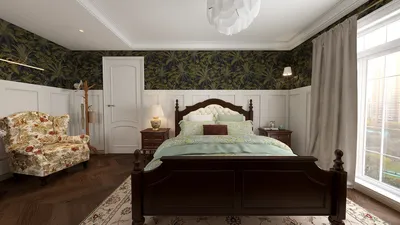


In my experience designing wellness-oriented interiors, I've found that the key to memorable results lies in getting the sensory fundamentals right—like light, sound, materials, and a layout that supports routines. Creating a home spa experience isn't just about indulging in luxury; it's about thoughtfully crafting an environment that promotes relaxation, rejuvenation, and mindfulness. The more deliberate the design process, the more profound the relaxation achieved. Utilizing tools like Homestyler can help visualize these elements effectively.
Two primary data sources inform my design philosophy. The WELL v2 framework emphasizes the importance of controlling glare and providing circadian-friendly lighting, suggesting adjustable ambient lighting and visual comfort approaches to reduce stress. Research from Steelcase also indicates that balanced acoustics, particularly the management of disruptive noise, is essential for fostering cognitive ease and tranquility in restorative environments. My residential projects consistently reflect these insights: well-managed light and sound are essential for creating a home spa sanctuary. Furthermore, according to Verywell Mind's exploration of color psychology, tranquil blues and greens are commonly linked to serenity and renewal—an important aspect when choosing items like towels, wall paint, or décor to set the mood.
Establish Intentions and Fluidity
Begin by outlining the sequence of your wellness rituals—cleanse, soak, steam, apply masks, stretch, hydrate, and reset—and organize your space accordingly. I advocate for a straightforward three-phase approach: the entry ritual (declutter, introduce scents, and set warm lighting), the core treatment area (shower or bath + steam or soak + masks), and a recovery lounge (hydration, breathing exercises, and journaling). If you're working with a small bathroom, consider creating a micro-lounge in an adjacent bedroom corner. An intentional spatial flow minimizes decision fatigue, ensuring a seamless experience.
Calming Lighting for Relaxation
For evening ambiance, aim for warm-white lighting in the range of 2700 to 3000K to aid relaxation. Incorporate various light sources: dimmable overhead lights (reducing glare), wall sconces for vertical softening, and warm candles or salt lamps for a soft glow. The IES recommends avoiding direct views of bright light sources to alleviate discomfort and afterimages; instead, favor indirect lighting techniques and utilize materials that minimize reflections off mirrors or glossy tiles. If your space benefits from natural light, soften it using sheer curtains to mitigate harsh contrasts. A portable dimmer can effortlessly convert a stark bathroom into a soothing haven in moments, especially if you plan the layout with Homestyler for optimal light placement.
Creating Tranquil Soundscapes
Achieving acoustic peace hinges on two strategies: diminishing harsh echoes and masking abrupt noises. By integrating soft textiles—thick towels, bath mats, or fabric screens—you can mitigate echo in tile-rich environments. If external disturbances arise, a low-volume water sound or pink noise can create a steady auditory background, which is less jarring than abrupt silence interrupted by sudden sounds. Position speakers away from reflective surfaces and favor straightforward soundscapes; predictability is preferable to novelty during recovery sessions.
The Psychology of Color and Textural Elements
I prefer to adhere to a soothing color palette: soft greens, muted blues, warm neutrals, complemented by natural materials like linen, cedar, or travertine. Color psychology suggests that cooler tones lower energy levels, whereas warm neutrals foster a sense of safety and grounding. The tactile experience is equally important—choose high-quality cotton towels, a cedar bath bench, and a stone tray for oils to enhance sensory engagement. Sustainability also comes into play: utilizing organic cotton or bamboo fabrics and low-VOC paints contributes to a healthier atmosphere, which can be beautifully maintained over time.
Thermal Comfort, Soaking, and Steaming Techniques
Whether opting for a warm shower, a soaking bath, or handheld steam, ensure that the experience allows for breathable intervals. A warm soak lasting 10–15 minutes followed by a cool rinse can enhance circulation and minimize post-soak grogginess. Have a carafe of cucumber or mint-infused water nearby, and consider keeping a soft, pre-warmed robe ready. In the absence of a bathtub, a foot soak basin with Epsom salts and essential oils, like lavender or eucalyptus, can provide significant restorative effects without much setup.
Aromatherapy: Cultivating Calm Without Overload
Select a singular anchor scent for your ritual to avoid overwhelming your senses—lavender to promote sleep, bergamot for a lift, or eucalyptus to encourage clarity. Utilize a ceramic diffuser or a single candle; mixing several strong fragrances is best avoided. For those with sensitivity, position the diffuser outside the immediate bathing area so that the aroma disperses gently, enhancing the experience without being overpowering.
Safety and Ergonomics
Small ergonomic adjustments can enhance both safety and comfort during rituals. Introduce a non-slip mat both inside and outside the shower, align frequently used items within easy reach (between hip and shoulder height), and use a low stool or bath bench to avoid awkward stretches. Make sure hair care and skin tools are easily accessible to prevent unwanted spills and drips. Installing a small anti-fog film on mirrors can help maintain functionality without the interruption of cleaning mid-ritual.
Organizing Ritual Tools with Minimal Clutter
Curate your essentials: a body brush, a microfiber headband, a mask applicator, bath salts, a multi-use oil, and a carafe with glasses. Keep extras stored away to minimize visual clutter. The enjoyment of rituals increases when the visual chaos is minimized. Employing a lidded basket for soiled laundry and a closed cabinet for less frequently used skincare items can enhance the aesthetic. A single tray can serve as a functional and appealing centerpiece for the day's treatment.
Hydration, Nutrition, and Recovery Space
Stay hydrated before, during, and after your rituals. Keep slices of fruit, herbal tea, or electrolyte water within reach. In the recovery lounge, include a soft throw, a supportive cushion, and seating that maintains proper spinal alignment. Engaging in a few minutes of box breathing (inhale for four counts, hold, exhale, hold) can calm the nervous system before returning to daily life. Journaling a brief note on how the ritual's sensory elements impacted your experience can help refine future sessions.
Micro-Zoning in Compact Spaces
Even in smaller apartments, micro-zoning allows for a viable spa experience: designate a shelf for treatments, a corner for recovery, and a hook station for robes and towels. If you’re contemplating a more permanent spatial layout or would like to visualize the flow around the bathing area and vanity, a tool like Homestyler can assist in testing zoning and spacing before committing to changes.
Affordable Upgrades for a Luxurious Feel
Consider swapping out stark white bulbs for dimmable 2700K LEDs, adding plush towels, a beautiful stone tray, and selecting one standout scent. Layering in a textured bath mat and a fabric shower curtain can soften acoustics. A towel warmer or a compact space heater used with care can significantly enhance comfort without extensive renovations.
Seasonal Adjustments to Enhance Rituals
During winter, focus on warmth with heavier textiles, cozier lighting, and richer scents like cedar. In the summer, pivot to lighter fabrics, fresher aromas like mint, and cooler lighting. By aligning your rituals with the seasons, you maintain a sense of novelty without cluttering the space.
Personalization for All Needs
Customize your setup according to sensitivities: use fragrance-free products, hypoallergenic fabrics, and brighter task lighting where visual clarity is needed. For those facing mobility challenges, incorporate grab bars, a higher bench, and accessible storage solutions. Ensuring wellness is inclusive allows everyone to safely engage with the space.
References for Wellness Design Principles
For deeper insights into the research that underpins environmental wellness, the WELL v2 framework offers substantial guidance regarding lighting and comfort protocols applicable to residential contexts, while research from Steelcase illustrates how sound and sensory overload affect recovery and focus.
Frequently Asked Questions
For relaxation, maintain a warm-white color temperature in the range of 2700–3000K and utilize dimmable sources while avoiding bright, bare bulbs to minimize glare.
Soft blues, gentle greens, and warm neutrals are commonly linked to calm feelings; ensure color saturation is kept moderate and complement these with natural textures like wood or linen.
Implement soft materials: thicker towels, a cloth shower curtain, and a bath mat. Utilize low-volume pink noise or a soothing water track to obscure unexpected external sounds.
Absolutely! Combine a warm shower ritual with a foot soak, a steam session, and an inviting recovery area stocked with abundant hydration options and a cozy robe.
Use lavender to encourage sleep, bergamot for refreshing energy, and eucalyptus for enhancing clarity. Select a singular anchor scent, ensuring its intensity remains low to prevent sensory overload.
To optimize safety, use non-slip mats, consider a bath bench, install grab bars where necessary, and position products within easy reach to avoid stretching and bending during use.
Maintain a flexible schedule: allocate 10-15 minutes for soaking or steaming, 10 minutes for masks, and 5-10 minutes for hydration and recovery breathing. Small, consistent rituals are often more effective than lengthy, infrequent ones.
In the recovery zone, include a cozy throw, supportive cushions, warm lighting, and a carafe of water or tea, maintaining separation from the treatment area to signify a mental shift into relaxation.
Consider dimmable 2700K bulbs, two fluffy towels, a textured bath mat, and one carefully selected scent or diffuser. These elements can noticeably elevate mood and comfort without significant expenditures.
Definitely! Emphasize comfort through temperature regulation, tactile sensations, lighting, and sound. Many clients prefer unscented rituals that promote clarity and lessen sensitivities.
Discover the creativity of home design with Homestyler! This user-friendly platform offers a powerful online design tool, stunning 3D renderings, and an extensive library of design projects and DIY video tutorials. Transform your space effortlessly and ignite your inspiration today!
Дизайн сейчас бесплатно
































