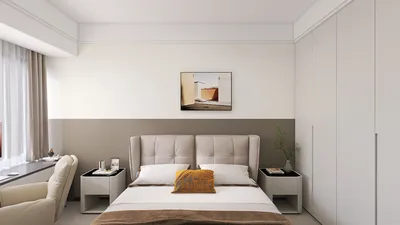


A while back, I was able to persuade a client that incorporating hidden lighting would transform their small kitchen into a boutique-like experience. However, they amusingly requested "lights that wink," leading me to re-evaluate my approach to trims and accents. This experience taught me that decorative recessed lighting trims can be fun, understated, or remarkably architectural. In compact spaces, creativity can flourish, so here are five trims I frequently use in these intimate settings.
1. Reflective Chrome Ring Trim
I particularly admire chrome ring trims for their capacity to reflect light and provide a jewelry-inspired touch to ceilings. These trims excel in kitchens and hallways as their reflective nature visually elevates low ceilings and illuminates corners. However, they can show fingerprints and cause glare, so I recommend pairing them with matte surfaces and dimmer switches for optimum control.
save pin
2. Black Baffle Trim
Black baffle trims offer a sleek, modern appearance while minimizing glare, making them ideal for areas above seating or artwork. I frequently implement them in open-concept living rooms to create distinct zones of focused light without overwhelming the overall atmosphere. It’s best to avoid overuse, as this can weigh down the look; incorporating lighter trims or reflective details can help balance the visual palette.
save pin
3. Decorative Flanged Trim with Pattern
Trims with patterns, such as gentle concentric circles or ribbed edges, introduce textural charm to otherwise plain ceilings. I applied these trims in a compact condo bathroom, where they resembled jewelry around each lighting fixture, significantly enhancing the room within a modest budget. Installation is straightforward; just ensure that the patterns don’t clash with other ceiling features.
save pin
4. Low-Profile Square Trim
Square trims present a contemporary alternative to cylindrical designs, harmonizing beautifully with grid-like ceilings in smaller offices or kitchens. They impart a cleaner, architectural vibe that aligns seamlessly with cabinetry. Precision in layout is critical to avoid misalignment, so I always prepare a mock-up plan beforehand.
save pin
5. Colored Inner Ring Trim
Incorporating a subtly colored inner ring — such as a matte navy or muted brass — adds character without overwhelming the space. I utilized muted brass rings in a narrow entryway, providing warmth without altering the fixtures. It's wise to opt for muted colors, as they can hide dust more effectively, while keeping in mind the need for occasional cleaning.
save pin
Tips 1:
For layout planning in small projects, I often sketch directly onto floor plans and visualize spacing. If you're interested in previewing various fixtures and trims in a 3D layout before making any purchases, consider using a 3D floor planner such as Homestyler, where you can see how different trims influence light and shadow. This approach minimizes last-minute returns and keeps the installation process smoother.
save pin
Tips 2:
Aligning trim finishes with surrounding metal elements — such as faucets, cabinet hardware, or door handles — fosters a unified aesthetic. I suggest using LED-compatible trims along with dimmable drivers for added versatility. When in doubt, neutral trim options that complement various finishes are always a safe choice.
save pin
Tips 3:
When considering spaces where screens are frequently viewed, like home offices or media rooms, opt for baffle or anti-glare trims. For contractors, providing an annotated ceiling layout detailing the specific trim types and beam angles will ensure that the lighting arrangement is intentional and well-thought-out.
save pin
FAQ
Q: What exactly is decorative recessed lighting trim?
A: Decorative recessed trim refers to the visible ring or fascia that encircles a recessed lighting fixture, tailored to impact illumination distribution and the overall aesthetic. These trims can range from minimalistic to ornate and influence glare, beam spread, and overall style.
Q: Which trim finish works best in compact spaces?
A: Choosing reflective or light-colored trims can help create an illusion of space by bouncing light, while darker trims tend to add contrast and focus. For smaller kitchens, I generally prefer chrome rings to brighten darker corners.
Q: Should I consider energy efficiency when selecting trims?
A: While trims themselves don’t greatly affect energy consumption, combining them with LED modules and dimmable drivers ensures both efficiency and longevity. Always verify thermal compatibility with the LED downlights you choose.
Q: Is it acceptable to mix different trim styles within the same room?
A: Absolutely — mixing styles can be effective as long as you maintain a consistent finish family or design theme. I often combine black baffles with chrome accents to add depth while avoiding visual clutter.
Q: Do decorative trims necessitate specialized installation?
A: Most decorative trims are designed to fit standard recessed housings, but it's essential to check their compatibility with your can size and driver placement. Precise alignment may require more attention for geometric trims.
Q: How should I select trims for a bathroom setting?
A: Choose trims and finishes that are rated for dampness and can resist corrosion; decorative flanged trims can enhance visual appeal while still adhering to safety regulations. For detailed guidance on bathroom planning, refer to official building codes and manufacturer specifications—you may find resources from the Illuminating Engineering Society particularly helpful for layout and safety advice.
Q: What kind of maintenance is required for trims?
A: Regular dusting and wiping with a soft cloth can keep your finishes looking new. Keep in mind that colored and metallic trims may accumulate dust sooner, so consider using a gentle cleaner that is recommended by the manufacturer.
Q: How can I visualize different trim styles in my design?
A: You can utilize 3D rendering tools to mock up various trims and observe how they affect the interplay of light and shadow. I often use 3D planning applications like Homestyler to test placements and finishes before making fixture orders.
save pin
Homestyler is your go-to online home design platform! With its easy-to-use design tool, stunning 3D renderings, and a wealth of inspiring design projects and DIY video tutorials, you can effortlessly transform your home into a masterpiece—perfect for both novices and seasoned designers alike!
Desain sekarang Gratis
































