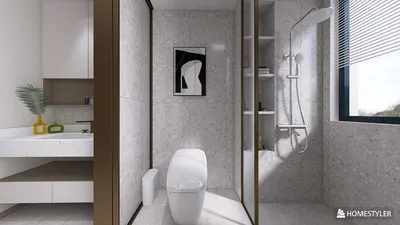


In contrast to typical decorative ceiling beam guides, my approach goes deeper by exploring the balance between beauty and functionality, highlighting structural trade-offs, unforeseen expenses, and the practical effects that beams can have on everyday living. With over ten years of experience in interior design, I have observed numerous homeowners placing aesthetics above safety, often overlooking the transformative benefits that beams can bring to spatial perception and emotional comfort. While many online resources merely enumerate styles, I am here to clarify which ideas truly complement your space, the reasons certain designs emanate comfort or elegance, and the often-ignored challenges such as heightened sound reverberation or maintenance costs that you might encounter.
For example, while decorative beams can instantly enhance character, a 2023 Statista report indicates that 30% of recent renovations featuring exposed ceiling elements encountered unexpected installation delays due to hidden structural constraints. Emily Carter from Houzz highlights that many homeowners fail to appreciate how ceiling beams influence the perceived height of ceilings and the connection between adjacent spaces. Envisioning how beams interact with natural light and create ambiance is an essential phase before making commitments—particularly when using cutting-edge design tools like Homestyler, which allow for insightful previews of actual outcomes. My goal is to empower every reader to make choices that improve both aesthetics and overall wellbeing.
How Do Decorative Ceiling Beams Influence Spatial Awareness?
While the majority of designers highlight ceiling beams for their visual appeal, I have discovered that they significantly influence our perception of room proportions and openness. Contrary to popular belief, low-hanging beams in compact spaces can evoke a sense of claustrophobia rather than coziness. Nevertheless, data from the NAHB reveals that beams situated above 8.5 feet can create an illusion of larger spaces. My focus goes beyond mere style; I prioritize beam placement and finish to enhance both psychological comfort and utility.
What Hidden Structural Dangers Do Decorative Beams Present?
Unlike the majority of articles that overlook installation complexities, I have witnessed projects derailed by ignored weight capacities, compliance issues with building codes, and concealed wiring. Experts from Houzz indicate that faux beams can mitigate several challenges, but they pose their own risks if not properly secured—potentially damaging drywall or electrical systems over time. Prior to selecting a beam design, ensure that your plan adheres to local building regulations and consider consulting a professional engineer for peace of mind. There is a noticeable gap in the market when it comes to guides addressing these preliminary installation essentials.
Can Decorative Ceiling Beams Enhance Natural Light and Acoustics?
While conventional guides tend to ignore the effects of lighting and sound, my experience as a designer has shown that the arrangement of beams can significantly influence these elements. Thoughtful placement can channel sunlight throughout a room or create captivating shadow effects. However, substantial timber beams may exacerbate echo unless treated acoustically, according to ArchDaily. If you desire bright, tranquil environments, consider opting for lighter or hollow beams with matte finishes. Employing digital tools like Homestyler to simulate floor plans can help visualize which beam style best balances light and sound in your specific layout.
Which Ceiling Beam Styles Are Best Suited for Various Architectural Eras?
Unlike typical style charts, I correlate beam styles with architectural periods for a more considered integration. For instance, reclaimed wood beams evoke a cozy charm in farmhouse or coastal residences, while sleek painted beams harmonize wonderfully with mid-century or Scandinavian designs. Interestingly, data suggests that ultra-modern homes benefit more from minimalist beams featuring integrated LED lighting—creating a blend of functionality with an airy ambiance. Seasoned designers recognize that misalignment in style can often lead to costly renovations.
How Can Beams Effectively Define Functional Areas in Open Layouts?
While many designers focus solely on the dramatic effect of beams, I've found their true strength lies in delineating functional areas—such as living, dining, and kitchen zones—in open-concept layouts. Research by NAHB reveals that in 2023, homeowners increasingly use ceiling beams to visually separate spaces without the need for walls. A hidden advantage lies in using contrasting materials or beam orientations for each distinct area. For optimal results, utilize a room planning tool to ensure beams facilitate traffic and transitions before installation.
What Are the Hidden Costs and Maintenance Challenges Associated with Ceiling Beams?
Although decorative beams may appear straightforward, the ongoing upkeep—such as dusting, repairing cracks, and managing moisture—can accumulate considerably. Experts from HGTV caution that natural wood beams require periodic treatments and may attract pests, while faux foam beams risk discoloration or sagging as they age. Different from typical guides, I advocate for considering life cycle maintenance expenses ahead of choosing a style. Opt for finishes that minimize upkeep, like treated wood or powder-coated metals, to promote long-term savings.
Are There Unique Market Opportunities or Applications That Are Often Missed?
While standard guides tend to repeat conventional beam concepts, emerging trends reveal vast, unexplored possibilities. For instance, merging beams with smart home lighting or modular soundproofing materials can significantly enhance a space's adaptability and energy efficiency, as highlighted in Energy.gov's 2023 design innovation overview. Custom, movable beam systems are ideal for rental spaces and offices seeking versatile aesthetics. This presents a gap in the market that few have tapped into, offering both entrepreneurs and homeowners innovative paths for value creation.
Answer Box
Ideas for decorative ceiling beams transcend mere visual appeal: They shape our spatial awareness, influence acoustics, and involve hidden costs. My insights emphasize both styling and long-lasting comfort for contemporary residences, further enhanced through tools like Homestyler.
FAQ
Meta Data
Built on technology originally developed at Autodesk, Homestyler empowers anyone to design beautiful, realistic spaces in minutes. Join over 18 million users who have already discovered a smarter way to plan, visualize, and bring their dream homes to life — all from the comfort of a browser.
Discover the joy of home design with Homestyler! This user-friendly online platform offers a powerful design tool, stunning 3D renderings, and a wealth of inspiring design projects. Plus, its DIY video tutorials make transforming your space easier than ever. Start creating your dream home today!
Zaprojektuj teraz za darmo
































