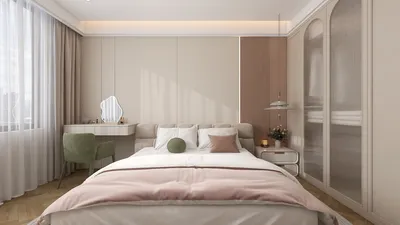


The choice of dark flooring can dramatically alter the visual perception of a room, influencing its overall ambiance depending on the interplay with lighter walls and the overall layout. In my design projects, rich, dark floors contribute a sense of depth and warmth. However, the perceived spaciousness relies on careful considerations of contrast, light reflectance, and vertical proportion. Research, including insights from the WELL Building Standard, underscores the significance of adequate ambient lighting to enhance comfort and perception, offering recommended strategies to optimize visual clarity and spatial awareness; WELL v2 promotes achieving ideal illuminance levels for vital tasks and movement. Furthermore, studies by Steelcase indicate that well-lit environments with good visual clarity contribute to improved focus and well-being, making the space feel more expansive rather than confined.
Light levels play a crucial role when working with dark floors. The Illuminating Engineering Society (IES) recommends typical ambient light levels ranging from 100 to 300 lux for general circulation areas, and 300 to 500 lux for specific tasks, tailored to the type of space. When dark flooring limits reflectance, it's essential to introduce various layers of illumination—ambient, task, and accent—to maintain these standards and prevent an enclosed feel. WELL v2 further highlights the importance of managing glare and contrast, both of which significantly affect the perception of space: lower glare and evenly distributed brightness enhance visual clarity, allowing edges to appear crisp, thereby making rooms feel more spacious.
Contrast serves as a vital factor. For instance, a deep walnut floor combined with soft white walls (with a Light Reflectance Value in the range of 70-80) can create a sense of vertical elevation and spaciousness. In contrast, matching dark flooring with similarly dark walls can make the room feel more constricted. Steelcase's research on visual ergonomics suggests that strong figure-ground relationships enhance navigation and comfort; by allowing the floor to act as the 'ground' and the walls/ceilings as the 'figure,' you maintain a sense of openness and clarity. If darker walls are a must, consider raising the ceiling color—using off-whites or soft neutrals—and adding cove lighting to make the ceiling feel as if it's floating.
How Does Dark Flooring Affect Spatial Perception?
Dark floors tend to absorb light, resulting in lower overall reflectance. While this aspect can bring elegance and sophistication, it might also reduce the perceived room size if other surfaces fail to provide balance. I aim for a well-structured luminance hierarchy: darkest on the floor, mid-tone on the walls, and lightest on the ceiling. This gradient naturally guides the visual flow upwards and outwards. In open-concept living areas, a rich espresso floor paired with light walls, a pale ceiling, and ample window dressings often appears larger compared to mid-tone schemes lacking sufficient lighting and contrast.
Lighting Strategies for Dark Floors
It’s essential to intentionally layer your lighting: ambient (like cove or ceiling-mounted lights), task (such as lamps at seating arrangements or counter lights), and accent (wall wash or art illumination). Strive to meet the IES recommended light levels and mitigate glare to prevent the floor from becoming a visual sinkhole. WELL v2 advocates for a focus on visual comfort and support for circadian rhythms; in spaces with limited daylight, a mix of 2700-3000K for living areas and 3500-4000K for kitchens and workspaces helps maintain clarity without harshness. Additionally, utilizing perimeter wall washing can enhance the perception of width, while uplighting can create an illusion of higher ceilings.
For further insights into design considerations surrounding workplace visual comfort and spatial awareness, you can explore Steelcase’s research library, which offers valuable perspectives on how luminance balance and contrast shape interior perception.
Color Psychology and Material Selection
Employing dark floors can instill feelings of stability and intimacy, qualities well-suited for lounge areas, dining rooms, and bedrooms. Research in color psychology indicates that cooler, lighter walls can effectively counterbalance the weight of dark floors, fostering a serene and spacious atmosphere. If you're inclined towards warm tones, opt for muted, low-saturation shades (like oatmeal or pale taupe) to maintain openness. The finish of materials also plays a role: satin or matte finishes reduce glare while highlighting texture; a semi-gloss option may reflect slightly more light but risks showcasing streaks. Opting for wide-plank formats can lessen visual joint lines, rendering the floor's pattern more tranquil, which can enhance the perception of space.
Layout, Proportions, and Flow
The proportions of a space are just as crucial as color. Ensure clear pathways with generous negative space surrounding key furnishings: a 36-inch walkable width is a solid target for living rooms, while 42 inches is ideal near kitchen work zones. Anchor substantial furnishings with area rugs that subtly contrast with the floor—too dark can make them blend away, while overly light can cause them to seem out of place. Use the furniture arrangement to create an illusion of expanded space: place low-profile seating where it preserves sightlines, and reserve taller storage pieces for shorter walls. If you're experimenting with different layouts, an effective room layout tool, like Homestyler, can assist in visualizing scale and adjacency before making permanent changes.
Ceiling and Wall Directions
To balance out the heaviness of dark floors, opt for high-LRV (Light Reflectance Value) paints on ceilings and upper wall sections. Introducing vertical textures—such as board-and-batten, fluted panels, or tall bookcases—can draw the gaze upward. Employing picture-rail lighting or slender uplights can create a soft glow that enhances the illusion of height. Mirrors, when properly scaled and positioned to catch reflections from bright walls or daylight, can serve well; however, avoid mirroring the floor directly, as it risks creating a cluttered visual effect that detracts from clarity.
Daylight, Window Treatments, and Reflection
Natural light is one of the most efficient methods to expand perception. Keep window treatments light and easily retractable; sheer layers can diffuse glare without sacrificing brightness. For very dark floors, consider using a lighter-colored rug in high-traffic areas to boost reflectance. Glossy dark floors can reflect window highlights, but if these reflections become visually distracting, consider transitioning to a finish with a lower sheen.
Acoustic Comfort with Dark Floors
The perception of space is not solely visual. Hard, dark flooring materials can amplify sound, leading to a more energetic and potentially constricted feel in a room. To reduce echo, layer in acoustic solutions—such as rugs, fabric wall panels, or upholstered furniture—to diminish reverberation. A quieter backdrop results in a more expansive and calming atmosphere.
Practical Guidelines to Consider
- Ensure a luminance gradient is maintained: darkest flooring, mid-tone walls, and lightest ceilings.
- Achieve recommended light levels; supplement natural light with varied lighting layers to attain about 100-300 lux for circulation areas and 300-500 lux for task-oriented spaces, per IES standards.
- Select wide planks and straightforward grain patterns to create a calming visual flow.
- Maintain spacious pathways (36-42 inches recommended).
- Use rugs and furniture that contrast just enough to highlight clear edges.
- Enhance vertical sightlines and apply uplighting to elevate the ceiling plane.
Does Dark Flooring Make Rooms Appear Smaller?
It can create this effect if coupled with inadequate light, low contrast, and bulky furnishings. However, the opposite can be achieved with proper layered lighting, lighter wall and ceiling colors, and layouts that maintain sightlines. In real-world scenarios, dark floors typically convey luxury and deliberation when contrast and brightness are effectively managed.
Common Questions
No, as long as dark flooring is balanced well with lighter walls and ceilings along with sufficient lighting based on IES standards, rooms often feel both grounded and open.
Opt for high-LRV off-whites, soft grays, and pale neutrals. The ceiling should typically be lighter than the walls to enhance the spatial envelope.
Plan for approximately 100-300 lux for ambient lighting and 300-500 lux for task-specific illumination, adjusted based on the type of space, as per IES recommendations. Layer lighting sources to prevent glare.
Satin or matte finishes generally convey a more serene atmosphere and diminish visual distractions. Semi-gloss finishes can enhance light reflection but may reveal streaks or imperfections.
Indeed. Rugs that are slightly lighter than the flooring increase reflectance while defining zones, improving spatial clarity and perceived dimensions.
Maintain clear circulation routes of at least 36 inches, utilize low-profile furniture to preserve sightlines, and position taller items against shorter walls. Test different arrangements with a room layout tool like Homestyler to visualize dimensions.
Hard flooring materials can amplify sound reflections. Incorporating rugs, soft furnishings, and textile panels can effectively absorb sound, fostering an open and peaceful ambiance.
Abundant daylight is one of the most effective countermeasures to low reflectance on floors. Implement sheer treatments to minimize glare while maintaining luminosity.
Yes, when combined with light walls and ceilings, along with judicious use of mirrors or glossy accents, and smart lighting solutions. A streamlined color palette reduces visual clutter.
Warm white (2700-3000K) lighting creates a cozy atmosphere, perfect for living areas, while neutral white (3500-4000K) works well in kitchens and workspaces. Consistent color temperature (CCT) throughout the area avoids jarring visual transitions.
For illuminating standards, reference IES guidelines and consider visual comfort principles from WELL v2; Steelcase's research offers valuable insights into how contrast and clarity impacts perception and attention.
Built on technology originally developed at Autodesk, Homestyler empowers anyone to design beautiful, realistic spaces in minutes. Join over 18 million users who have already discovered a smarter way to plan, visualize, and bring their dream homes to life — all from the comfort of a browser.


Modern Contemporary Tufted Brown Leather Metal Leg Sofa 3D Model

Modern Walnut Marble Top Hexagonal Coffee Table and Side Table 3D Model

Minimalist Walnut Wood Extra Long TV Cabinet Console Table 3D Model
Homestyler is your go-to online platform for stunning home design! Its user-friendly design tool allows you to create and visualize spaces effortlessly. With impressive 3D renderings, inspiring design projects, and helpful DIY video tutorials, transforming your home has never been easier or more enjoyable!
Projete agora para LIVRE
































