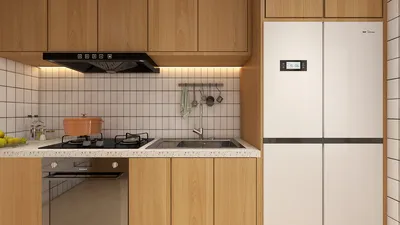


The advent of 3D rendering powered by game engines has fundamentally changed how designers conceptualize and visualize their creations. Whether you are an interior designer, architect, or a game developer, leveraging game engines can significantly improve your workflow and enhance the quality of your visual presentations. With their real-time rendering capabilities, game engines enable you to witness your designs transform into dynamic experiences, thereby facilitating effective communication of ideas and concepts.
An Introduction to 3D Rendering in Game Engines
Before exploring practical uses, it’s vital to grasp the basics of 3D rendering in the context of game engines. Platforms like Unreal Engine and Unity are designed for real-time graphic rendering, allowing users to adjust lighting, materials, and camera perspectives on the fly. This capability is especially beneficial in small space design projects, where every detail is crucial.
Benefits of Employing Game Engines for 3D Rendering
Employing game engines for 3D rendering presents several benefits:
Getting Started with Leading Game Engines
To start your 3D rendering journey with game engines, select one that suits your requirements:
Unreal Engine is celebrated for its stunning graphics and intuitive user experience. It comes with a comprehensive library of assets and tools tailored for rendering projects. Additionally, its Blueprint system enables the creation of intricate interactions without necessitating coding skills, making it accessible for novices.
Unity is another favored option among designers due to its adaptability and strong community backing. It provides a plethora of tutorials and resources that will guide you through the 3D rendering process. Unity's Asset Store is an excellent repository for finding additional tools and features that can elevate your designs.
Best Practices for Successful 3D Rendering
To ensure optimal results for your 3D rendering endeavors, keep the following best practices in mind:
Frequently Asked Questions
The leading game engines for 3D rendering include Unreal Engine and Unity, both of which boast robust rendering functionalities and user-friendly interfaces.
Absolutely, game engines are increasingly utilized for architectural visualization thanks to their capacity for creating interactive and immersive environments.
Both Unreal Engine and Unity provide an abundance of tutorials and community resources that support beginners in mastering 3D rendering basics.
Explore the Best Home Design Software with Homestyler
Progetta ora GRATIS
































