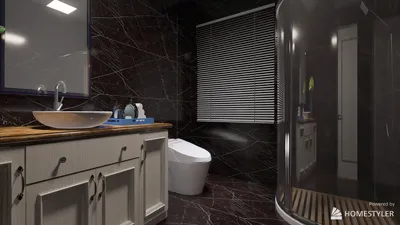


Transforming War Thunder models into 3D printed creations captivates many gamers wishing to materialize their beloved vehicles. This endeavor combines technical expertise, suitable software access, and an understanding of copyright and licensing regulations. Initially, you'll need to extract the 3D vehicle models from War Thunder using compatible extraction tools. After that, import these files—often in formats like .obj or .fbx—into a 3D modeling or slicing program. Popular choices include Blender for mesh editing and Cura or PrusaSlicer for the conversion into printable G-code. It's essential to refine the mesh by eliminating unwanted elements, addressing any holes, and ensuring that non-manifold edges are resolved to facilitate printing. Complex vehicles may require division into smaller segments for easier printing. Adjust the model's scale and orientation to reduce the need for supports and minimize printing time. When you're content with your work, export the model in STL format for your 3D printer. As an interior designer, I often utilize 3D models not just for aesthetics but for effective spatial planning and visualization. If your passion for War Thunder models extends to creating distinctive decor, why not incorporate these prints into themed rooms like gaming spaces or study areas? By utilizing an all-encompassing design platform such as Homestyler, you can visualize how your 3D printed creations fit within your environment, ensuring they blend seamlessly with your design style.
Tips 1:
Always be mindful of intellectual property rights. Many games, including War Thunder, may restrict the commercial exploitation of their assets; however, personal hobby projects are generally acceptable. To achieve optimal printing results, select high-quality filament and calibrate your printer settings based on the intricacy of the model.
FAQ
Q: Is it legal to 3D print War Thunder models for resale?
A: No, the game models are protected by copyright. While personal use is typically permitted, commercial activities are not allowed.
Q: What file format is optimal for 3D printing the extracted models?
A: The STL format is the most commonly utilized for 3D printing.
Q: How can I prepare War Thunder models for 3D printing?
A: Utilize 3D modeling software to fix meshes, adjust scale, and segment the model accordingly before slicing.
Q: What printer settings are recommended for achieving intricate details?
A: Opt for a fine layer height (0.1-0.2mm), moderate printing speed, and high-quality filament to capture the best detail.
Q: Can 3D prints be incorporated into my home decor?
A: Absolutely! 3D printed models make excellent display items, bookends, or decorative accents in themed rooms; leveraging design tools like Homestyler can help you visualize their effective placement.



Homestyler is your go-to online home design platform! With its user-friendly design tool, impressive 3D renderings, and ample design projects, you can effortlessly create your dream space. Plus, the DIY video tutorials will inspire and guide you at every step. Transform your home today!
Zaprojektuj teraz za darmo
































