

Crafting a three-dimensional model of a muscle can be a thrilling endeavor, whether you're an anatomy student, a healthcare professional, or a designer looking to achieve realistic visualizations. 3D muscle modeling enables a deeper understanding of intricate anatomical frameworks, thereby aiding education, research, and even creative design projects that incorporate anatomical elements. Below is a comprehensive approach to developing a muscle model in 3D using tools like Homestyler for enhanced visualization.
As a designer, I've found that grasping the configuration and spatial relationships of various objects—such as muscles—enriches not only academic undertakings but also the aesthetics of interior spaces. Consider the potential of employing 3D rendered home visualizations that exhibit anatomical artwork or health-focused environments, utilizing the precision of muscle models to serve both educational and decorative goals effectively through platforms like Homestyler.
Tips 1:
When embarking on muscle modeling, ensure you work at a real-world scale and use reference images within your software's viewport. This practice maintains accurate proportions and guarantees anatomical authenticity, which is vital for scientific or medical applications.
FAQ
Q: Which software is recommended for crafting 3D muscle models?
A: Programs such as Blender (free), Autodesk Maya, and ZBrush are excellent choices. Blender stands out for its powerful sculpting capabilities and active community resources, making it highly suitable for beginners and experts alike.
Q: Is it easy for newcomers to pick up 3D anatomical modeling?
A: Absolutely. Beginners should start with fundamental modeling tutorials before moving on to guides that focus on anatomy. Consistent practice and patience are essential for mastery.
Q: Are there existing resources for pre-made muscle models?
A: Yes, several 3D asset libraries and anatomy applications provide pre-designed models. However, creating custom models can better serve specific educational or artistic requirements, particularly using tools like Homestyler.
Q: How can 3D muscle models be applied in interior design?
A: They can serve as inspirational elements in health-focused environments such as clinics, fitness centers, or educational institutions, thereby enhancing both functionality and visual appeal.
Q: What file formats are best for sharing 3D muscle models?
A: Commonly used formats include .OBJ, .STL, and .FBX, which are compatible with a majority of 3D platforms and printers, facilitating easy sharing and collaboration.
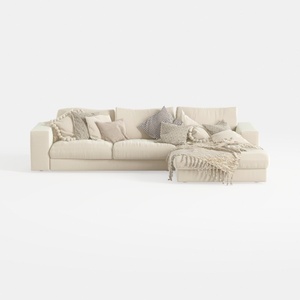
Minimalist Beige Fabric L Shaped Sectional Sofa with Throw Pillows 3D Model
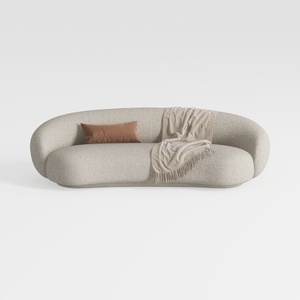

Minimalist Boucle Fabric Curved Sofa With Throw Pillow And Blanket 3D Model
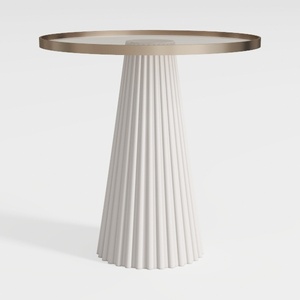
Modern Minimalist Fluted Base Glass Top Side Table 3D Model
Discover the magic of home design with Homestyler! This user-friendly online platform offers a powerful design tool, stunning 3D renderings, and inspiring DIY video tutorials. Whether you're a novice or a pro, Homestyler makes it easy to bring your interior design dreams to life!
Diseño ahora GRATIS
































