


Embarking on the adventure of 3D modeling might initially appear intimidating, but with the appropriate tools and guidance, it can evolve into a delightful creative endeavor. Whether you’re new to the field or aiming to refine your skills, this comprehensive guide will navigate you through the fundamental steps necessary for success.
Getting Started with 3D Modeling:
The very first step in your 3D modeling adventure involves choosing the right software. Popular choices include Blender, SketchUp, and AutoCAD, each offering distinct features catered to different applications. Think about your objectives—are you focused on creating animations, architectural concepts, or product designs?
After picking your software, take time to familiarize yourself with its user interface. This can typically be achieved through tutorials, online courses, or dedicated communities for your selected program. Don’t shy away from exploring various functions and tools that are at your disposal; allowing yourself to experiment will enhance your learning experience!
Choosing Your Subject:
Next, determine what you wish to model. This can range from a straightforward item like a chair to a more intricate cartoon character. Begin with something simple to bolster your confidence. Sketching your concepts on paper before transferring them into the digital world can also be advantageous.
Keep aspects such as proportions and scale in consideration while modeling. Using reference images can aid your work, ensuring accuracy. This becomes especially crucial in fields like product design and character modeling, where achieving a sense of realism is paramount.
Building Your Model:
Now comes the most enjoyable phase: creating your model. Utilizing your chosen software, start by forming basic shapes that resemble your subject. Afterwards, refine these shapes through a technique known as sculpting, where you fine-tune the model to achieve the desired forms and intricacies.
Don't overlook the importance of texture and color! Integrating materials and textures can truly elevate your model to the next level. Experimenting with various finishes and colors will help you discover what aligns best with your vision.
Rendering Your Model:
After completing your model, it’s time to render it. Rendering involves generating a 2D image from your 3D scene, incorporating lighting and materials to showcase your efforts. This step is vital, as it highlights your hard work and can be utilized for presentations or portfolios.
Be patient during the rendering process; it may take some time depending on your model's complexity and your computer's capability. Also, consider experimenting with different lighting setups to further enhance your model—natural light, studio lighting, or dramatic scenes each produce distinct effects.
Sharing Your Work:
Once you have your eye-catching render, think about sharing your accomplishments on the internet! Platforms like ArtStation, Behance, or specific 3D modeling communities provide opportunities to showcase your creations and garner feedback. Engaging with others within these communities can lead to new insights and motivation!
FAQ
Q: What is the best software for beginners in 3D modeling? A: Blender is often highly recommended for newcomers, particularly due to its free accessibility and abundance of resources.
Q: Can I learn 3D modeling without prior art skills? A: Certainly! While having art skills can prove beneficial, numerous modeling techniques can be grasped through consistent practice and tutorials, especially with tools like Homestyler that offer user-friendly interfaces.
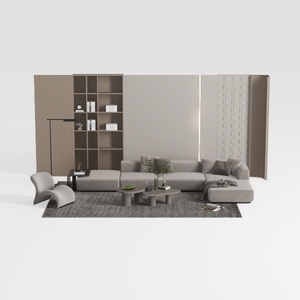

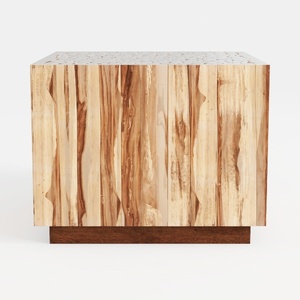

Homestyler is your go-to online home design platform! With its intuitive design tool, stunning 3D renderings, and rich library of DIY tutorials, you can easily transform your space into a masterpiece. Unleash your creativity and start designing today!
Desain sekarang Gratis
































