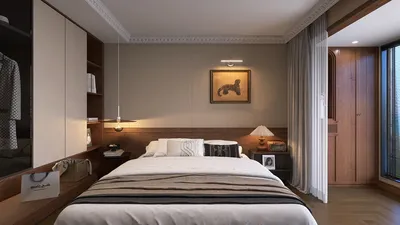


When designing cupboards, I prioritize a harmonious blend of storage capacity, ease of access, and aesthetic appeal. Effective storage solutions focus on the organization of space—facilitating quick retrieval of essentials, creating a sleek facade, and maintaining order long after you've moved in. Throughout the past ten years, I've come to appreciate the significance of proportions, lighting, and ergonomic design alongside material finishes, which play a crucial role in cabinet functionality.
Two key insights drive my foundational choices. The WELL v2 Light concept suggests that optimal illumination and glare management are essential for visual comfort—task lighting should reduce contrast and support natural biological cues. I apply this by including integrated, dimmable lighting in cupboards, utilizing low-glare diffusers to create a comfortable workspace (source: wellcertified.com). Furthermore, research from Herman Miller indicates that individuals can spend as much as 19% of their workday searching for items or switching tasks; thus, implementing clearly labeled, organized storage consistently enhances efficiency and alleviates stress (source: hermanmiller.com/research). When cupboards are organized according to behavioral zones—daily, weekly, and occasional—the home operates with greater efficiency.
Understanding color psychology can significantly influence how cupboards enhance or detract from a room’s ambiance. As noted by Verywell Mind, blue shades can induce a serene focus, while gentle greens contribute to a sense of balance; I strategically apply these colors on cupboard interiors or back panels to encourage organized usage without overwhelming the overall aesthetic (source: verywellmind.com/color-psychology). For appropriate lighting within cupboards, achieving 300–500 lux in task areas complies with IES recommendations for residential spaces, complemented by a color temperature of 2700K–3500K to maintain a warm, inviting atmosphere (source: ies.org/standards). This lighting strategy fosters visibility without causing glare.
Organizing Storage Zones by Usage Patterns
I differentiate shelves and compartments into three distinct zones based on usage: everyday access (eye to waist level), routine items (waist to knee), and infrequently used items (higher or lower spaces). The everyday access zone accommodates frequently accessed clothing, dinnerware, tech gadgets, or pantry essentials. The routine zone is reserved for seasonal items or lesser-used appliances. The infrequent zone serves as storage for archives, luggage, and bulkier linens. By adhering to this vertical zoning technique, I ensure that commonly needed items remain easily accessible within natural reach.
Perfecting Dimensions for Optimal Use
Proportions form the backbone of a satisfying cupboard design. For wardrobes, a hanging space that measures 24 inches (610 mm) deep is well-suited for standard hangers; double-hang setups necessitate roughly 40 inches (1015 mm) of total height divided into two levels. Shelves meant for folded garments should ideally be 12–15 inches (305–380 mm) deep; deeper shelves can lead to disarray. Sock and underwear drawers typically measure 6–8 inches (150–200 mm) high, while more general utility drawers span 8–12 inches (200–305 mm). In pantry designs, it is recommended to maintain a depth of 10–12 inches for dry goods and 14–16 inches for appliances. These dimensional guidelines ensure high visibility and prevent creating "black holes" at the rear of cabinets.
Leveraging Doors, Accessibility, and Quiet Mechanisms
Opting for sliding doors can help save space in compact areas while reducing door interference during movement. Conversely, hinged doors provide complete access but require careful measurement for space clearance during operation. I prefer specifying soft-close hinges and full-extension drawer slides, which minimize noise and maximize accessibility. Consider integrated finger pulls or recessed channels to maintain a clutter-free appearance in tighter spaces.
Innovative Interiors: Pull-Outs, Vertical Dividers, and Customizable Shelves
Internally, the ability to adapt is key. Pull-out trays convert deeper shelves into easily reachable areas for shoes, cooking tools, or hobby supplies. Vertical dividers effectively organize cutting boards, trays, portfolios, and small bags. Having adjustable shelf pins allows the interior organization to adapt over time—spacing changes by at least 1-inch increments for precise adjustments. Utilizing clear bins for smaller items and incorporating discreet labeling transforms organization into a design component that encourages upkeep.
Lighting Strategies for Functional Spaces
Incorporate low-glare LED strips beneath shelves and along framework. Installing motion sensors activates lights upon opening doors, enhancing both convenience and energy efficiency. The Color Rendering Index (CRI) should remain above 90 to accurately display fabrics and finish colors. Combining warm ambient lighting with neutral task lighting (around 3000K) inside cupboards prevents color distortion during outfit selection or while reading labels. To accommodate varying eyesight needs, consider adding a secondary boost button for enhanced visibility.
Color and Material Choices for Functional Design
Employ matte finishes to minimize reflectivity and fingerprints. Interiors painted in light neutral tones improve clarity. For cupboard fronts, natural wood veneer offers warmth, while durable laminates or painted MDF provide a consistently durable and high-performance surface. Choosing recycled materials and low-VOC finishes aligns with sustainability principles; always verify emissions ratings from your supplier. In terms of color choices, utilizing tranquil palettes for larger doors—such as warm gray, taupe, or muted sage—can help in reducing visual weight, while vibrant interior hues can bring joy without overwhelming the atmosphere of the room.
Sound and Operation Comfort
Cupboards also play a role in shaping a room's acoustic quality. Soft-close mechanisms, felt bumpers, and door seals work together to diminish impact sound. In spaces adjacent to sleeping areas, consider incorporating a thin acoustic panel or cork backing behind shelves, effectively reducing reverberations. This silent operation becomes particularly noticeable during nighttime use, enhancing overall comfort.
Ergonomic Adjustments for Accessibility and Function
Position delicate items between 34–52 inches (865–1320 mm) above ground to minimize excessive bending or overhead reaching. Handles should be designed for a comfortable four-finger grip; opting for knobs must ensure sufficient space for larger hands and avoid sharp edges. For family-oriented needs, vary the heights: include lower bins suitable for children, mid-level drawers for everyday items, and upper compartments designated for adult use only.
Room-Specific Cupboard Solutions
Incorporate a diversified design: double-hang sections for shirts and jackets alongside single-hang areas for dresses; shallow drawers lined with velvet for watches and jewelry; vertical cubbies for handbags. Shoe pull-outs at mid-height eliminate the need for bending to floor level. Including a mirror panel within a door conserves wall space, maximizing functionality.
Ensure proper ventilation slots for AV equipment management. Integrated channels help maintain an organized appearance of cables. Adjustable shelving allows for flexibility with changing technology setups. Fabric speaker fronts or perforated panels discreetly house audio equipment without sacrificing sound quality.
To optimize active projects, prioritize quickly accessible shelves followed by archive boxes above. Designate a locking drawer for sensitive documents. If reconfiguring the layout, utilizing an interior layout planner to simulate traffic and reach patterns before construction can help streamline the process. Consider tools like Homestyler for room layout planning.
Combine open shelves for easy visibility with closed cabinets for bulkier or less visually appealing items. Incorporate vertical dividers for organizing baking trays, bins for snacks, and labeled risers for cans to ensure nothing becomes lost in the back of your cupboard.
Managing Airflow and Moisture Levels
In areas prone to humidity—such as kitchens or baths—opt for moisture-resistant materials and properly sealed edges. Introducing discreet ventilated backs or utilizing micro-louvered doors assists in preventing air stagnation. For wardrobes, consider a charcoal filter pad to keep odors at bay without relying on fragrances.
Durability and Eco-friendly Practices
Select strong edge banding and high-durability finishes for lasting use. Prioritize recycled or responsibly sourced materials and verify low-emission quality standards. Employing easily repairable hardware extends the lifespan of your cupboard system. Additionally, modular interior components allow for functional upgrades without necessitating complete replacements.
Establishing Visual Harmony and Balance
Expansive runs of cupboard doors can feel overwhelming. Introduce thoughtful design elements to break up the mass: pair wider doors with slimmer accents, harmonize rails and stiles with surrounding architecture, and maintain consistent reveals. Implementing a horizontal datum line—such as a band of drawers—can ground the overall composition and aid in wayfinding within the space.
Ensuring Precision in Installation and Maintenance
Allow for slight gaps against walls and ceilings to accommodate imperfections. Confirm plumb and level alignment prior to door installation to prevent skewing. After installation, establish a regular maintenance routine every three months: relabel, reorganize, and refresh. Effective storage systems maintain their efficacy only if the user consistently engages with their proper upkeep.
FREQUENTLY ASKED QUESTIONS
Q1: What is the optimal cupboard depth for clothing and linens?
A: For hanging clothes, a depth of 24 inches (610 mm) is ideal for standard hangers. Folded items are best kept at depths between 12–15 inches (305–380 mm), while linens require depths of 14–16 inches to prevent toppling.
Q2: How much lighting should I incorporate inside cupboards?
A: Target a lighting level between 300–500 lux on shelf surfaces, utilizing low-glare LED strips with a color temperature of 2700K–3500K to ensure comfort in compliance with IES recommendations for residential uses.
Q3: Are motion sensors for cupboard lighting beneficial?
A: Absolutely. Motion-activated lighting eliminates the frustration of searching for switches while conserving energy, especially invaluable in spaces like pantries or wardrobes. Combining these with soft-start drivers prevents sudden bursts of brightness.
Q4: Which finishes are best for door durability?
A: High-pressure laminates and quality painted MDF are both excellent choices for longevity. Matte or satin finishes help hide fingerprint marks, while natural wood veneer with protective coatings offers warmth without sacrificing durability.
Q5: How do I minimize visual clutter in open-plan designs?
A: Aim for a serene facade using integrated pulls, maintain consistent reveals, and organize interiors based on behavior to facilitate easy return of items. Employing bolder colors within the cupboard can create visual interest, while keeping exterior fronts subdued adds to a calm environment.
Q6: What is the best approach to manage deep shelves effectively?
A: Opt for pull-out trays or baskets instead of static shelving, employ clear bins for small items, and ensure all fronts are labeled for quick identification. Vertical dividers can convert stackable materials into easily accessible files.
Q7: How do ergonomic considerations affect shelf placement?
A: Store frequently used items between eye and waist level, keeping low and high spots for occasional items, and ensure handles or channels are comfortable to operate for all users.
Q8: Can cupboard designs improve room acoustics?
A: Indeed. Utilizing soft-close mechanisms, felt bumpers, and acoustic panels can significantly reduce sound impact and resonance, providing a quieter environment especially beneficial in spaces adjacent to bedrooms or study areas.
Q9: What steps should I take to manage humidity in sensitive areas?
A: Implement moisture-resistant materials, sealed edges, and discreet venting solutions, along with charcoal filters to combat odors in wardrobe spaces.
Q10: How can I ensure my storage options adapt to future needs?
A: Specify adjustable shelves, modular insert systems, and easy-to-repair hardware. Maintain some versatile compartments that can transition between different storage requirements as your life changes.
What began as an Autodesk innovation has evolved into a design platform used by more than 18 million people around the globe. Homestyler combines powerful rendering, an intuitive editor, and a vast furniture library to help you turn inspiration into photorealistic designs — whether you're redesigning a single room or planning an entire home.


Cartoon Space Themed Kids Ceiling Lamp With Astronaut Decor 3D Model
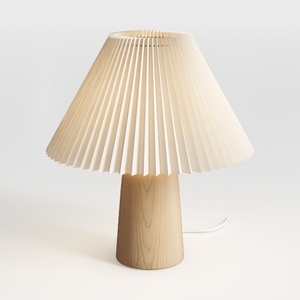
Minimalist Oak Fabric Pleated Table Lamp 3D Model

Minimalist Natural Wood Caged Pendant Lamp 3D Model
Homestyler is your go-to online home design platform! With its easy-to-use design tool, stunning 3D renderings, and a variety of design projects, you can create your dream space effortlessly. Plus, helpful video tutorials guide you every step of the way—perfect for both beginners and seasoned designers!
立即免费设计
































