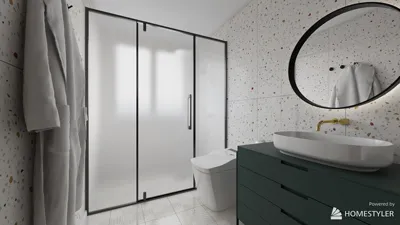


A past client once requested that their 10 x 10 bathroom fan cover be disguised as a tiny skylight, even bringing in magazine clippings as inspiration. This unusual demand reminded me of two important lessons: that subtle vents can make a significant impact and that early planning of ventilation can prevent future complications. To creatively intertwine form and function, consider bathroom ventilation ideas that prioritize airflow and adhere to building codes.
1. Decorative metal grille — a contemporary touch that maximizes airflow
Replacing a standard plastic cover with a decorative perforated metal grille is a quick way to elevate a ceiling's design, all while maintaining existing ductwork. Advantages include durability, ease of painting, and improved airflow; however, custom metalwork may come at a higher price, although simple laser-cut designs are often budget-friendly when shopping around.
save pin
2. Integrated LED diffuser — merging light and ventilation seamlessly
For a 10 x 10 fan cover, an integrated LED panel can provide both essential lighting and effective ventilation in one tidy rectangle. I've utilized recessed LED kits that align perfectly with the fan housing — this reduces visual clutter but requires careful timing with electricians and adherence to heat clearance standards.
save pin
3. Framed mirror vent — making the cover a stylish feature
In a tight 10 x 10 bathroom, I creatively framed a mirror around the vent, transforming it into an appealing vanity accent from various angles. This approach enhances the perception of space while disguising the practical aspects of the vent, although maintaining it requires diligence, including keeping the mirror moisture-sealed. If you're contemplating design layouts prior to purchasing materials, sketching out a DIY layout can assist in visualizing sightlines and clearances.
save pin
4. Painted pattern or wallpapered insert — a bold, cost-effective option
Utilizing painted geometric patterns or wallpaper tucked within a shallow frame can transform a standard 10 x 10 vent into an intentional centerpiece. This style is budget-friendly and ideal for renters, especially with removable vinyl, but be cautious that porous wallpaper near a humid vent might require a protective sealant to prevent mildew growth.
save pin
5. Sustainable slat cover — adding warmth and sound dampening
Wood or bamboo slats installed over a vent introduce warmth and can help slightly reduce fan noise without compromising airflow, provided they are properly spaced. I’ve opted for thin cedar slats treated for moisture resistance; they offer a luxurious appearance but necessitate precise craftsmanship and occasional re-sealing in high-humidity conditions. If you’re uncertain about the aesthetics, utilizing a 3D render can help visualize the final outcome before making a commitment.
save pin
FAQ
Q1: What dimensions define a 10 x 10 bathroom fan cover?
The term "10 x 10" generally refers to the nominal dimensions of the grille or cover in inches, typically indicating a visible face of 10" x 10". It's advisable to measure both the fan housing and the rough opening before procuring a cover to avoid unexpected issues.
Q2: Is a 10 x 10 vent cover capable of managing typical bathroom airflow?
Yes, especially in smaller bathrooms—the crucial factors are the fan's CFM rating and the free area of the grille. An effectively designed grille featuring slots or perforations will permit the rated CFM to pass through without generating excessive noise or back pressure.
Q3: Are there specific code regulations concerning bathroom ventilation?
Indeed, adhering to local regulations is essential. The International Residential Code (IRC) Section M1507.3 outlines guidelines regarding necessary ventilation rates, typically recommending 50 CFM for continuous operation or 100 CFM for intermittent use in many bathrooms.
Q4: How can I paint or finish a vent cover effectively?
Begin with a primer that matches the vent's material (metal, plastic, or wood) and apply semi-gloss paint using a spray or brush for durability. Be cautious not to obstruct perforations; you can cover small openings with flexible tape while painting and remove it carefully once dry.
Q5: Is it feasible to replace a plastic 10 x 10 cover with a heavier metal version?
Typically yes, but it's important to confirm the mount type and weight capacity. Heavier covers might necessitate different screws or anchors, so verify that the fan housing can support the additional weight without straining the fasteners.
Q6: How can I minimize fan noise with a decorative cover?
Opt for designs featuring ample free area—wider slots or larger perforations help diminish turbulence. Additionally, softening perceived noise with wooden slats or incorporating sound-absorbing materials on the attic side can be effective, provided airflow remains unblocked.
Q7: Is it possible to create a custom 10 x 10 cover myself?
Absolutely—simple tasks such as painting a metal grille or affixing slats lend themselves well to DIY projects. For more intricate designs, like integrated LED or detailed carpentry, it’s advisable to consult with a professional to address electrical and moisture management.
Q8: Where can I visualize design options before making a purchase?
Utilizing design mock-ups, whether through sketches or online 3D modeling tools, is highly beneficial; many platforms provide the opportunity to place elements like ceiling fixtures and experiment with various finishes, helping to prevent dissatisfaction post-installation.
save pin
Discover your dream home with Homestyler! This user-friendly online design platform offers a powerful design tool, stunning 3D renderings, and a wealth of design projects. Plus, with easy-to-follow video tutorials, you’ll be inspired to create beautiful spaces in no time. Get started today!
Дизайн сейчас бесплатно
































