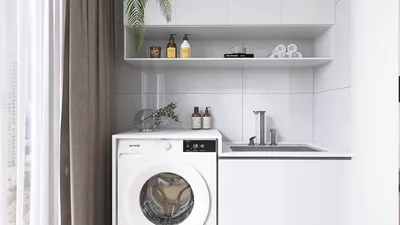


I often reminisce about a specific moment when a client requested that their small entryway embody a spaceship theme, complete with silver-painted walls designed to "glow at night." My initial reaction was to raise an eyebrow, yet after painting a test patch, I was pleasantly surprised by the captivating atmosphere it created under warm LED lighting. We decided to proceed with the idea and successfully avoided any potential disasters. For quick evaluations, I frequently utilize 3D visualizations to preview the effects of sheen and reflection prior to the actual painting process, ensuring everything aligns with the vision.
1. Subtle Metallic Accent Walls
Instead of coating every wall with metallic paint, I suggest opting for a single soft metallic accent wall. This approach allows the silver to shine intentionally rather than feeling overwhelming, while also giving the small space an illusion of depth without a heavy-handed finish. However, precise masking and selecting a mild sheen are essential to avoid creating an overly reflective glare.
save pin
2. Neutrals Layered with Silver Accents
I personally enjoy combining warm taupe or cool greige with silver-painted trim or floating shelves, allowing the metallic paint to serve as an accent rather than overwhelming the overall finish. This method is wallet-friendly since it reduces the amount of metallic paint needed, but testing samples throughout various times of day is vital to ensure a warm and inviting atmosphere instead of a cold feel.
save pin
3. Harmonizing Silver with Wood (Ideal for Kitchens)
The blend of silver-painted backsplashes or panels with warm wooden cabinets creates an elevated aesthetic, merging Scandinavian and industrial styles. I often prototype placements and finishes of cabinets to see how silver elements harmonize with storage solutions and lighting. If you're reimagining a kitchen, consider using custom kitchen layouts to visualize these interactions effectively.
save pin
4. Engaging Patterns and Textures
If a flat silver finish feels too stark, introducing texture can elevate the design — the use of stencils, limewash, or subtle geometric patterns can add tactile quality to the finish. The downside is it may involve additional labor and costs; however, the result is a distinctive wall that not only conceals smudges but also beautifully reflects light.
save pin
5. Spa-like Bathroom Retreats
Bathrooms are well-equipped to handle moisture when appropriate paint and sheen are selected; cabinets painted silver or recessed niches can evoke a luxurious, spa-like ambiance. I recommend using satin or semi-gloss finishes for added durability and for tricky layouts, utilizing a bathroom styling guide can help you experiment with reflective elements without overdoing them.
save pin
Tips 1:
Maintain sample boards and conduct tests near the final light sources. Consider pairing metallics with warm textiles, and remember that less can often be more — just a touch of silver can make a significant impact.
save pin
FAQ
1. Do silver-painted walls work well in small spaces?
Yes! Silver can enhance the perception of depth and promote light reflection in compact areas. Utilize it as an accent or in a lower sheen to prevent overwhelming the space.
2. What sheen is ideal for silver paint?
Satin or eggshell finishes provide a gentle metallic glow while semi-gloss offers more reflectivity and ease of cleaning. For moisture-prone areas, semi-gloss is typically the safer option.
3. How can I avoid a cold, sterile aesthetic?
Balance the silver with warm woods, textured fabrics, and cozy lighting. Using small amounts of metallic alongside warm tones will maintain a comfortable ambiance.
4. Is it possible to mix regular paint with metallic additives?
Yes, you can effectively use metallic additives or pre-mixed metallic paints. However, stirring thoroughly is essential to prevent pigment separation and achieve a uniform finish.
5. Are metallic finishes durable in bathrooms?
When selecting paint suited for high-humidity environments, along with the right sheen, metallic finishes can be quite durable. Proper priming and ventilation also play critical roles.
6. What is the additional cost of metallic paint?
Metallic paints and specialty finishes are generally more expensive than standard latex. Expect to invest more in quality pigments and primer, but you will typically need less coverage to achieve similar visual effects.
7. Where can I find information about paint types and finishes?
Reputable paint manufacturers offer comprehensive guides; for instance, Benjamin Moore provides detailed explanations of finishes and optimal applications on their website. Referring to these resources aids in selecting the appropriate product.
8. Should I trial samples before making a final decision?
Absolutely! Always create sample boards and evaluate them in the space under various lighting conditions. Testing small areas can save costs and help in fine-tuning the desired shade and sheen.
save pin
Looking to transform your home with ease? Homestyler offers a user-friendly online design tool, stunning 3D renderings, and a wealth of design projects. Plus, its DIY video tutorials guide you every step of the way. Unleash your creativity and bring your vision to life effortlessly!
Concevez maintenant gratuitement
































