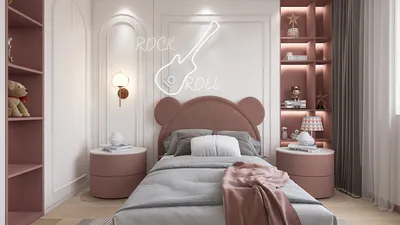


I once worked with a client who dreamt of transforming their diminutive studio into a Parisian salon, all while sticking to a tight college budget. Initially, I was hesitant, but soon I realized that art should be approached like seasoning in cooking: less is often more. To optimize the space, I created a quick layout sketch, which ultimately saved us both time and disappointment.
1. Use a large painting as a central focus
I enjoy placing a striking canvas above a sofa or bed; it establishes a strong focal point for the room. The benefit lies in its simplicity — a single statement artwork captures attention effectively in photographs and in person. The only challenge is ensuring the size is appropriate to avoid overwhelming a small space.
save pin
2. Create a cohesive gallery wall using a limited color palette
In tight spaces, I select prints that harmonize around two or three colors, using various frame sizes to maintain visual rhythm. This approach is both budget-friendly and versatile — swapping prints later is a breeze — but it can create a cluttered look if not executed with a consistent visual theme.
save pin
3. Utilize art to define areas in open floor plans
In studio apartments or open layouts, a series of small artworks or a horizontal triptych can effectively delineate the living area without the need for additional furniture. After examining some valuable kitchen layout ideas, I successfully combined art with lighting and rugs in a kitchen-dining space, clarifying sightlines and allowing the artwork to breathe.
save pin
4. Combine framed artwork with ledges, textiles, and plants
Imagine a narrow picture ledge showcasing a framed print, a textile piece, and a trailing plant — it creates an inviting curated look rather than a cluttered one. This layered style allows for easy updates, though it requires periodic tidying to prevent dust accumulation.
save pin
5. Rotate artwork seasonally and utilize AI-assisted design tools
I like to change out small prints according to the seasons to keep the room feeling rejuvenated. Recently, I employed an AI design tool to experiment with color temperatures and frame styles before making purchases — a huge time-saver. While the learning curve can be a hurdle, the assurance gained in your buying choices often outweighs this initial challenge.
save pin
Tips 1:
other content...
save pin
FAQ
Q1: Can you include paintings in a styled room?
Absolutely — adding paintings is among the quickest methods to infuse personality and mood into your styled space. Select sizes, colors, and frame styles that complement the overall ambiance.
Q2: What size painting is ideal?
Measure your wall and furniture: a good rule is that a painting should be about two-thirds the width of your sofa, or a series should fill the empty space without touching the edges. For smaller areas, one medium-to-large piece is preferable over multiple tiny artworks.
Q3: At what height should art be hung?
Art should be hung so that its center is about 57 inches (145 cm) from the ground for most residential settings; this standard is widely endorsed by museums and many designers. The Museum of Modern Art (MoMA) cites 57 inches as an accepted eye-level reference (https://www.moma.org).
Q4: How can I light paintings in a compact space?
Use adjustable directional lighting or picture lights with warm LEDs to minimize glare; dimmers can enhance mood. Be cautious of the heat and UV exposure on originals; generally, LEDs are safe to use.
Q5: Is it acceptable to mix prints with original pieces?
Yes — mixing is effective as long as you maintain a cohesive color or frame theme to connect everything. Original artwork adds value and texture, while prints provide flexibility and affordability.
Q6: Do frames matter in a styled space?
Frames serve as the finishing touches for artwork; a sleek frame can modernize a classic piece, while ornate frames can elevate a simple print. Coordinating frame finishes with other metals or woods in the room fosters harmony.
Q7: How frequently should I update my artwork?
Rotating art seasonally (every 3 to 6 months) keeps your space feeling vibrant and allows you to experiment with new pairings without acquiring new pieces. For collectors, this practice helps shield originals from excessive light exposure.
Q8: Where can I experiment with art placement before purchasing?
Mockups can be helpful: utilize paper templates, temporary command strips, or digital room-planning tools like Homestyler to visualize scale and arrangements. This testing phase prevents returns and ensures the artwork complements your aesthetic perfectly.
save pin
Homestyler is your go-to online home design platform! With its user-friendly design tool, stunning 3D renderings, and a wealth of inspiring design projects and video tutorials, you can effortlessly create and visualize your dream spaces. Transform your home with ease today!
Design Now for FREE
































