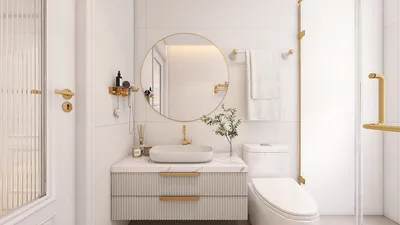


I once had the opportunity to install a charming set of mismatched wall sconces for a client, who desired a look inspired by items from a Paris flea market. Despite their arrival in a crooked state, with one bulb buzzing incessantly, the client adored the imperfect aesthetic—showing me that even small spaces can embrace and celebrate uniqueness. Working with compact rooms encourages creative solutions, and utilizing wall sconces remains one of my preferred strategies when working with limited square footage.
1. Swing-Arm Sconces for Versatile Task Illumination
Swing-arm wall sconces offer targeted lighting without consuming precious floor or table space, making them an ideal choice next to a reading chair or above a kitchen prep area. In a compact 28sqm apartment, I employed them to avoid cluttering a tiny nightstand with a bedside lamp; however, care must be taken during installation to ensure they’re securely mounted and positioned correctly to avoid accidental bumps to the head.
save pin
2. Sleek LED Sconces for Minimal Visual Footprint
In micro-apartments, I am drawn to ultra-slim LED sconces, which often resemble delicate pieces of art on the wall. These fixtures provide uniform ambient lighting and help reduce energy costs; however, choosing the wrong LED temperature can lead to cooler, less inviting light. Always remember to test bulbs prior to installation.
save pin
3. Accent Sconces to Enhance Textural Features and Artworks
Incorporating small accent sconces to bathe a brick wall or highlight a piece of artwork can dramatically increase the perception of space and depth. I applied this technique to transform a narrow hallway into an inviting gallery-like corridor; while visually stunning, this approach necessitates careful planning to prevent glare on reflective surfaces. To strategize placement and visualize the anticipated effects, I recommend utilizing Homestyler's 3D floor planning tools.
save pin
4. Shelf-Sconce Combinations for Practical Functionality
Combining sconces with a narrow shelf has become one of my favorite solutions: it provides both illumination and a convenient spot for keys or decorative plants, which is perfect for entryways. This setup minimizes the need for additional furniture while also injecting personality into the space; however, be cautious, as heavy items can exceed weight limits. I once attempted to support a client’s entire shoe collection on one, which turned out not to be the best idea.
save pin
5. Dimmable Sconces for Layered Lighting Options
Installing dimmable wall sconces allows for flexibility in creating distinct zones within open studios—bright illumination for tasks and soft, warm light for relaxing evenings. While integrating a compatible dimmer may require a slightly higher initial investment, the ability to control ambiance is truly worthwhile. I always follow the rule of pairing dimmable sconces with bulbs that dim evenly to prevent flickering.
save pin
FAQ
Q1: What is the ideal height for mounting wall sconces?
A1: Position sconces approximately 60–66 inches (152–168 cm) from the floor to the fixture's center for general use; adjust higher for above-art installations.
Q2: Can wall sconces serve as the sole light source?
A2: In compact spaces, combining multiple sconces with additional ambient sources can provide adequate illumination; layering lights effectively helps avoid shadows.
Q3: Are LED sconces superior to incandescent options?
A3: LEDs are not only more energy-efficient but also longer-lasting; however, it’s advisable to select warm-colored LEDs (2700–3000K) to create a cozy atmosphere akin to incandescent bulbs.
Q4: What’s the difference between hardwiring a sconce and using plug-in models?
A4: Hardwired sconces necessitate electrical work and a dedicated switch, while plug-in sconces are more straightforward to install—be sure to consult a licensed electrician for hardwired options to ensure compliance with safety codes.
Q5: Which type of bulb is best suited for sconces?
A5: Opt for LED bulbs with a color rendering index (CRI) of over 90 for precise color representation; also check for size and base compatibility with your fixtures.
Q6: Are sconces appropriate to use in kitchens and bathrooms?
A6: Absolutely—just ensure to select damp- or wet-rated fixtures for bathrooms and areas prone to moisture, and carefully position them to reduce glare from mirrors. For specific layout guidance in kitchen lighting, consider utilizing a kitchen layout planner.
Q7: How do I determine the number of sconces needed?
A7: Assess the lumen requirements for the room (e.g., 1500–3000 lumens for smaller living areas) and divide that by the lumen output of each sconce; also think about layering with ambient and task lighting. A free floor plan creator can assist in visualizing placements accurately.
Q8: What design guidelines exist for mixing different sconce styles?
A8: Strive for a common element—such as finish, silhouette, or size—to unify contrasting sconces; mixing can create an exciting atmosphere as long as balance is maintained.
save pin
Originally incubated at Autodesk, Homestyler has grown into one of the most widely adopted home design platforms in the world, now trusted by over 18 million users. Whether you're a homeowner exploring ideas or a professional designer delivering client-ready renders, Homestyler brings industry-leading 3D technology to your fingertips — no experience required.
Homestyler is your go-to online home design platform! With its user-friendly design tool, stunning 3D renderings, a wealth of design projects, and informative DIY video tutorials, you can effortlessly transform your spaces and unleash your creativity—perfect for everyone, from beginners to experts!
지금 무료로 디자인하세요
































