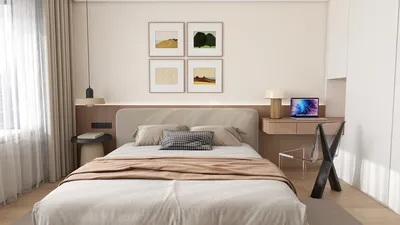


In my experience, I once placed three large wall sconces in a narrow hallway based on a client's assurance that they would "elevate the ambiance." However, the result was more akin to a disco hallway—this taught me the significant impact of scale. With smaller spaces, unique and innovative solutions often emerge; throughout the years, I've transformed tight corners into standout features using thoughtful sconce selections, sometimes utilizing the design tool Homestyler for inspiration.
1. Slim Vertical Sconces to Extend Wall Perception
Slim vertical sconces are excellent for creating the illusion of height on narrow walls. For instance, I incorporated them into a condo foyer with just 60 cm of space, and the elongated fixtures drew the gaze upward, making the ceiling feel more expansive. They offer a sleek, architectural aesthetic and provide ambient lighting, but keep in mind the limited glare control; opt for diffused shades or a dimmer switch for added comfort.
save pin
2. Swing-Arm Sconces Provide Flexible Task Lighting
Swing-arm sconces are ideal when floor space is at a premium. I installed a pair next to a cozy reading nook to allow the homeowner to adjust the light for reading and then tuck it away when entertaining. They are very functional, but precision in mounting and wiring can be a bit more challenging if you prefer a hardwired design.
save pin
3. Grouped Mini Sconces as Decorative Wall Elements
Arranging two or three small sconces can create an artistic feature without overwhelming a compact wall. In one studio, I staggered three brass mini-sconces at varying heights to mimic floating art; this not only provided layered illumination but also a striking focal point. The downside is cost, as multiple fixtures can be pricier, but the design reward is substantial.
save pin
4. Backlit Mirrors with Built-In Sconces
Combining a mirror with integrated sconces addresses two issues: providing light and reflection that enhances the room's perception. I suggested this to a client with a narrow bathroom, leading to brighter mornings and a remarkably larger feel. Although installation might be more complex and costly, it is indeed a smart, space-efficient choice.
save pin
5. Plug-In Sconces for Ease of Use in Rentals
For those in rented spaces or seeking a no-drill solution, plug-in sconces present a stylish option without the need for permanent alterations. I assisted a young tenant in replacing harsh overhead lighting with warm, inviting plug-in sconces, instantly creating a cozier atmosphere. They are simple to install and can be moved easily, though visible cords may require attention through covers or clever routing.
save pin
Helpful Tips:
If you're looking to experiment with sconce layouts before finalizing your choice, I frequently simulate placements using painter’s tape and cardboard cutouts shaped like lampshades to prevent costly errors. When selecting color temperature, aim for 2700K–3000K to achieve a warm and welcoming glow.
save pin
Frequently Asked Questions
Q1: What is the recommended height for wall sconces?
A1: A useful guideline is to mount sconces 60–66 inches (152–168 cm) from the floor to the center of the fixture, though this may vary based on ceiling height and the furniture below.
Q2: Can sconces serve as the main source of illumination in small rooms?
A2: Absolutely! When paired with layered lighting (ambient and task), sconces can effectively provide primary lighting in small spaces, especially if they emit wide, diffused lighting.
Q3: Is hardwiring necessary for sconces?
A3: Not at all. Many contemporary sconces are available in plug-in formats, making them perfect for rentals, while hardwired options lend a neater appearance and are preferable for permanent setups.
Q4: What type of bulbs should I use for sconces?
A4: LED bulbs are the best choice for energy efficiency and durability; opt for a Color Rendering Index (CRI) of 90+ to ensure accurate color representation, especially for illuminating art or in areas where makeup application occurs.
Q5: What is the best spacing for paired sconces above a mirror?
A5: For mirrors in bathrooms, sconces should be positioned 75–90 cm apart and approximately at eye level to reduce shadows, typically around 60–66 inches from the floor.
Q6: Can sconces be utilized outdoors?
A6: Yes, choose fixtures designed for wet or damp locations, ensuring proper sealing; it’s wise to consult an electrician for safe exterior wiring.
Q7: Are there any design guidelines for mixing different sconce finishes?
A7: Mixing metals can be effective if you establish a dominant finish while using the secondary finish as an accent. Repeating the smaller accent finish in hardware can also unify the overall look.
Q8: Where can I find tools to help plan sconce layouts?
A8: For practical layout planning, I recommend a reliable floor planning tool; for examples and insights, resources like Homestyler can be extremely beneficial.
save pin
Homestyler is your go-to online home design platform! With its user-friendly design tool, stunning 3D renderings, and a wealth of design projects and DIY video tutorials, you can effortlessly create and visualize your dream spaces. Transform your home design journey today!
Design jetzt kostenlos
































