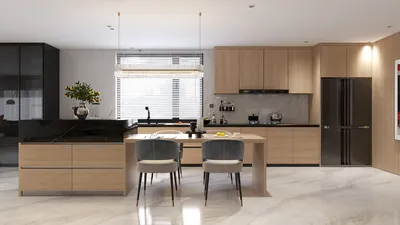


I still chuckle over the client who insisted on a sunrise wall by 3 p.m. and departed by 6 p.m.—thanks to our testing of colors on a spare board and utilizing AI-driven layout suggestions via Homestyler, we successfully achieved the desired look before the paint brush ever made contact with the wall.
Working in compact areas always encourages creativity; a narrow hallway taught me that using scale, contrast, and the right tools can transform a closet-sized space into something special. Here, I present five paint-kit inspirations I implement in actual projects, along with lessons learned regarding tricks and budget-friendly tips that were hard-earned.
1. Soft ombré for depth
Ombre gradients are my preferred technique when dealing with low ceilings: begin with a darker color at the bottom and gradually transition to a lighter shade to draw the eye upward. This technique is forgiving with brush strokes, and a typical beginner’s painting kit usually features a sponge or blending brush—just be mindful of lap marks and remember to practice on a test board.
save pin
2. Tape-and-block geometric accents
I once taped off a bedroom to resemble a gallery using cost-effective paint and a steady hand—quality painter’s tape is crucial, and opting for pre-mixed accent colors in a kit can save time. This method yields a clean and modern appearance, though patience is necessary when removing tape to prevent peeling.
save pin
3. Mini mural with stencils
Stencils can transform a small wall into a focal point without the lengthy process of freehand murals; kits that include stencils, tiny rollers, and corner brushes simplify this for renters. To ensure complex designs align correctly, I sometimes merge the mockup with Homestyler’s 3D renderings to verify scale, thereby avoiding any last-minute surprises.
save pin
4. Chalk or magnetic paint panel
Installing a chalkboard or magnetic area is ideal for kitchens or children’s spaces—many kits come with small sample cans that allow you to test adhesion on existing finishes. It’s both fun and functional, but keep in mind that chalk finishes tend to accumulate dust and require periodic touch-ups.
save pin
5. Two-tone rails and color-blocking
Employing two-tone walls with a mid-rail can invigorate dull, small rooms while safeguarding lower walls from scuffs—this technique utilizes less paint than full coverage and appears deliberate. The key is to measure accurately and utilize an affordable level and tape setup; I maintain a spare roller in my kit for quick touch-ups once clients shift their furniture.
save pin
FAQ
Q: What does a typical wall painting kit consist of?
A: Most kits come with sample paints, a small roller, an angled brush, painter's tape, and basic sanding sheets. More premium kits may include stencils or a blending sponge for gradients.
Q: Which paint finish works best for small spaces?
A: I usually suggest an eggshell or satin finish—these types reflect some light without highlighting every flaw, contributing to a brighter and cleaner feel within a compact area.
Q: Is it possible to use a wall painting kit in a rental?
A: Absolutely—look for reversible options like removable wallpaper-style stencils or chalkboard panels; stick to neutral base coats to allow for easy repaints upon moving out.
Q: What is the cost of a basic kit?
A: A reasonably priced starter kit can range from budget to mid-tier depending on the included tools—expect to pay less than buying each item separately, especially if it includes sample paints and tape.
Q: Must I prime before using a kit?
A: If the walls are stained, glossy, or bare drywall, priming is advisable to maintain color accuracy and adhesion. Many kits are designed with the assumption that the surface has been primed, so check what is included before starting.
Q: How should I select colors for a small room?
A: I usually choose a dominant light shade paired with an accent that is one or two tones darker; creating sample patches in various lighting conditions can help avoid regret later on.
Q: Are there environmentally friendly wall painting kits available?
A: Yes—look for low-VOC or zero-VOC paints and recyclable packaging; these options are safer for homes, particularly those with children or individuals sensitive to chemicals.
Q: What are the best practices for reducing fumes while painting?
A: Ensure proper ventilation by opening windows, using fans for cross-ventilation, and adhering to manufacturer recommended drying times; for detailed guidance on indoor air quality and VOCs, visit the U.S. EPA's website at https://www.epa.gov.
save pin
Homestyler is your go-to online home design platform, perfect for turning your ideas into reality. With its user-friendly design tool, stunning 3D renderings, diverse design projects, and helpful video tutorials, you can effortlessly create and visualize your dream space. Start designing today!
Design Now for FREE
































