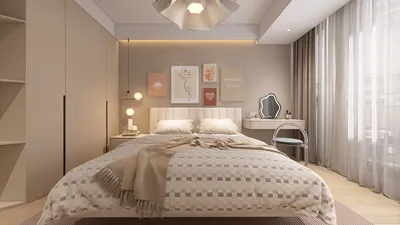


In my early days of installation, I once set up a pendant light so low that the client ended up banging their head — a classic rookie mistake that taught me the importance of checking clearances meticulously. Such small oversights sparked my passion for innovative wall-mounted solutions. When dealing with limited spaces, you’re driven to think creatively: wall brackets for pendant lights can declutter ceilings and inject character into a room, all without breaking the bank.
1. Adjustable Arm Wall Bracket
Adjustable arm brackets are a favorite of mine because they allow you to position the pendant light as needed — perfect for reading corners or above a kitchen prep area. The flexibility they offer is a significant advantage, enabling you to move the light out of the way or pull it closer when required. A minor drawback is that the hardware can be somewhat noticeable, yet opting for a sleek, complementary finish keeps the look sophisticated. A pro tip is to mount it at least 30–36 inches above a work surface to prevent glare.
save pin
2. Fold-flat Bracket
Fold-flat brackets are my go-to choice in extremely cramped layouts or rental properties. They conveniently fold flat against the wall when not in use, optimizing headroom and traffic flow. These brackets are economical and straightforward to install, although some models might have limited reach. I once installed one for a studio client, and it transformed the tiny living space, providing much-needed versatility.
save pin
3. Decorative Swing-Arm Bracket
Looking to make the bracket a standout feature? A decorative swing-arm can turn a simple pendant into a striking focal point. While the investment may be slightly higher and the installation more complex, the end result is rewarding, especially if you appreciate vintage or industrial aesthetics. I remember matching a brass swing-arm with a recycled brass pendant, creating a custom feel without the hefty price tag.
save pin
4. Ceiling-to-Wall Tension Rod Bracket
If running wiring to the wall is not feasible, tension-rod style brackets that extend from the ceiling to the wall can be an ingenious solution while avoiding invasive electrical work. These options are renter-friendly but require strong anchor points and precise alignment. In a mid-century studio, I implemented one of these systems to conceal wiring while preserving the original moldings.
save pin
5. Magnetic or Clamp-On Bracket
Magnetic or clamp-on brackets are ideal for metal surfaces or temporary arrangements, making them a great choice for pop-up displays or for those who enjoy frequently changing layouts. They offer unparalleled flexibility but depend on compatible surfaces and robust magnets or clamps. I suggested this solution for a client who often rearranged their home office; it provided instant lighting without the need to drill into walls.
save pin
Tips 1:
The height at which you mount the light, the type of bulb you choose, and the size of the shade are all critical factors, just as important as the bracket style. For task lighting, aim for 30–40 inches above the surface; for ambient setups, consider mounting even higher. Opt for LED bulbs to minimize heat and reduce the size of the fixture. Always test the swing path before finalizing the placement. Want a visual layout? Utilize a 3D room planner like Homestyler to experiment with positions and clearances effectively.
save pin
FAQ
Q1: What is the ideal height for a wall-mounted pendant above a table? A1: Strive for a height between 30–36 inches above the table surface to ensure balanced illumination and avoid glare.
Q2: Is it possible to install a wall bracket pendant on my own? A2: If you feel comfortable with basic wiring and have adequate mounting points, you can; else, it’s wise to hire a licensed electrician for safe wiring and secure installations.
Q3: Are wall brackets a suitable option for renters? A3: Definitely — options like fold-flat, magnetic, and clamp-on brackets are renter-friendly and minimize wall damage.
Q4: Which types of bulbs work best with pendant brackets? A4: LED bulbs are the best choice due to their low heat production and energy efficiency; choose a color temperature of 2700K–3000K for a warm, ambient glow.
Q5: Do I need an electrician for wall-mounted pendants? A5: If new wiring or junction boxes are necessary, it’s advisable to hire a certified electrician to ensure compliance with safety standards.
Q6: What are some ways to hide wiring on a wall bracket? A6: Conceal wiring using decorative cable covers, integrate it within molding, or apply surface-mounted conduit; for authoritative guidelines, consult the National Electrical Code (NEC) standards (NFPA 70).
Q7: Will adjustable brackets alter light quality? A7: They may modify the beam direction and throw, which can be beneficial for task lighting; just keep the shade size and bulb lumen output in mind when making adjustments.
Q8: How can I visualize various bracket layouts in 3D? A8: You can easily create mock-ups and test different positions with a 3D floor planner like Homestyler to evaluate clearances and aesthetics.
save pin
Discover your home’s potential with Homestyler! This user-friendly online design tool allows you to create stunning interiors with its advanced 3D rendering. Explore design projects and enhance your skills with DIY video tutorials—perfect for anyone looking to transform their space effortlessly!
Diseño ahora GRATIS
































