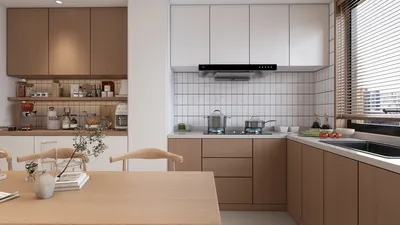


One of the intriguing design challenges I've faced in my professional journey involves optimizing the layout of a lengthy living room, particularly when it comes to positioning the TV. Modern interior design trends emphasize multifunctional environments, gentle zoning, and cozy, lifestyle-oriented furnishings, transforming a long space into a creative opportunity rather than a limitation. It's often true that unconventional or confined areas can inspire the most innovative solutions. Today, I'm excited to present 10 creative ideas for arranging a TV in a long living room, based on my experiences and research from interior design professionals, all while incorporating the versatility of Homestyler.
1. Floating TV Unit with Wall Storage
My Insight: In one of my latest renovations, a floating TV console combined with sleek wall-mounted storage turned a narrow area into a functional gallery-like zone. This design not only creates a sense of spaciousness but also keeps the floor clear and open.
Advantages: It utilizes vertical storage effectively and maintains an open feel; this setup is particularly effective in long living rooms where clutter can create a tunnel-like atmosphere.
Drawbacks: It necessitates secure wall mounting, which may not be suitable for renters without landlord permission.
Advice: Pairing it with concealed cable management results in a tidy finish—similar to the minimalist living area with smart wall storage I designed.
2. Sectional Sofa as a Room Divider
My Insight: I have positioned a low-profile sectional couch against the long wall to subtly delineate the TV area from a cozy reading nook or play space.
Advantages: This method creates distinct zones without the need for building walls; the back of the sofa can serve as a spot for a console table or shelves.
Drawbacks: Accurate measurements are crucial—too large can encroach on circulation space.
Advice: Think about using modular sectionals that can be adjusted as your needs evolve.
3. Wall-to-Wall Media Cabinet
My Insight: For a client with an extensive movie collection, we constructed a full-length media cabinet along one wall, incorporating both display shelves and enclosed storage.
Advantages: It transforms a potentially awkward wall into a striking design element; it's perfect for housing media equipment, books, and decorative items.
Drawbacks: A dark color or heavy materials might overwhelm the room.
Advice: Opt for lighter finishes or incorporate open shelving to alleviate the visual weight.
4. Off-Center TV Placement
My Insight: In particularly elongated spaces, centering the TV isn’t always optimal; I’ve crafted inviting corners by positioning the TV slightly off-center and arranging seating around it.
Advantages: This setup allows for multiple functional areas; it's great for achieving balance in asymmetrical spaces.
Drawbacks: It can appear visually unbalanced without appropriate decor or lighting adjustments.
Advice: Consider using a floor lamp or art piece on the opposite side to enhance the balance of the arrangement.
5. Back-to-Back Layout
My Insight: I designed a long living/dining area where one side faced the TV, while the back was oriented toward a small dining table—ideal for open-plan apartments.
Advantages: It makes the most of long rooms; ideal for enhancing social interactions.
Drawbacks: This layout limits furniture flexibility, creating a more fixed arrangement.
Advice: Select a sofa with an aesthetically pleasing back for added visual appeal.
6. Statement Rug to Anchor the TV Zone
My Insight: Incorporating a patterned or textured area rug beneath the main seating helps to visually define the TV area in a long room.
Advantages: This is an economical way to delineate space; it introduces texture and character.
Drawbacks: Requires regular maintenance, especially in high-traffic areas.
Advice: Layering rugs can also enhance the appeal in bohemian or eclectic designs.
7. Opposite Wall Gallery Display
My Insight: When one wall houses the TV, the opposite can be transformed into a curated gallery, balancing visual interest and enhancing the character of the room.
Advantages: Provides guests with engaging visual stimuli beyond the TV, diminishing the hallway effect.
Drawbacks: It necessitates regular dusting and maintenance to keep it looking fresh.
Advice: Mixing various frame sizes can lend a modern touch.
8. Sliding Door TV Concealment
My Insight: A built-in sliding panel allows for complete concealment of the TV when it's not in use, a concept I’ve enjoyed integrating into long rooms that function as formal lounges.
Advantages: This design maintains flexibility; fantastic if your long living room also serves as a home office.
Drawbacks: It can increase construction costs and complexity.
Advice: Lightweight panels or fabric curtains can achieve a similar effect without excessive costs—this approach was employed in a mixed-use project we executed with Homestyler.
9. Parallel Seating Arrangement
My Insight: Arranging two sofas across from each other with the TV at one short end fosters intimacy, despite the room's length.
Advantages: It promotes conversation; perfect for families or frequent entertainers.
Drawbacks: This layout may not work well if the TV is the main focus for those in the space.
Advice: Adding armchairs at angles can offer greater flexibility.
10. Elevated Platform TV Zone
My Insight: In one project, we created a slight platform beneath the TV area, which distinguishes the entertainment zone without erecting a physical wall.
Advantages: This visually separates different areas and opens up opportunities for integrated lighting features.
Drawbacks: Introducing fixed elements can limit future layout modifications.
Advice: Subtle height differences (2–4 inches) work best for elevation; for design inspiration, check out this multifunctional space we developed with related level changes.
Conclusion
Designing a long living room with a TV is all about embracing the layout rather than resisting it. By employing smart zoning, innovative storage solutions, and thoughtful furniture arrangement, you can transform a challenging room shape into your favorite space—an approach supported by the latest trend report from the American Society of Interior Designers. Which of today's creative ideas featuring Homestyler would you like to explore first?
FAQ
Q1: How can I create a cozy atmosphere in a long living room with a TV?
Utilize rugs, effective lighting, and sectional furniture arrangements to visually segment the area into zones.
Q2: Should the TV be centered in a long living room?
Not necessarily; off-center placement can foster exciting secondary spaces.
Q3: What TV size is ideal for a long living room?
Adhere to SMPTE viewing distance guidelines—typically between 55 to 65 inches for average long rooms.
Q4: How can I stop my long living room from feeling like a corridor?
Incorporate furniture placed perpendicular to the length and layered decor to create depth.
Q5: Can I mount the TV on a partial wall in a long room?
Yes, a partial-height wall or shelving unit can delineate areas without closing off the space.
Q6: What are the best solutions for hiding cables in a long living room setup?
Employ wall-mounted raceways or integrated cable channels for a neat finish—similar to many designer homes built using Homestyler.
Q7: Are sliding panels for concealing the TV costly?
They can be pricey, but alternatives in fabric or wood veneer are more budget-friendly.
Q8: What’s the optimal lighting strategy for a long living room with a TV?
Layering lighting through overheads, sconces, and table lamps prevents dark corners and enhances ambiance.
Looking to transform your home? Homestyler is your go-to online design platform! With its user-friendly design tool, stunning 3D renderings, and a treasure trove of DIY video tutorials, you can effortlessly create and visualize your dream spaces—all from the comfort of your home!
Design Now for FREE
































