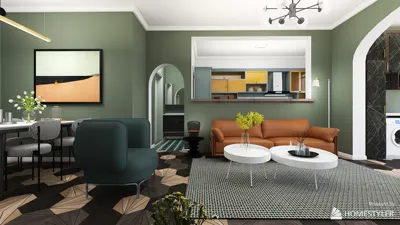


I once designed a living room for a client featuring a bookcase that took an entire afternoon for setup, only to realize it obstructed the radiator and turned into an area for forgotten toys. This experience taught me to focus on smaller, clever solutions and treat the room as a complete layout challenge rather than merely addressing furniture placement. Incorporating tools like Homestyler can further assist in visualizing and executing these ideas effectively.
1. Tall cubbies and stackable bins
I am a fan of vertical cubbies because they utilize otherwise wasted vertical space without compromising the play area. By labeling clear stackable bins for different categories (cars, dolls, craft supplies), children can participate in the cleanup process — however, you will need a safe step-stool for accessing the top shelf and regularly swap out bins to manage overflow.
save pin
2. Roll-out drawers and mobile crates
Bringing storage out from underneath beds works wonders — it transforms an overlooked area into significant storage space. Mobile crates are affordable, customizable, and ideal for toys that get moved frequently; just ensure you measure the clearance and consider soft-close rails for an elegant touch.
save pin
3. Hanging pockets and pegboard stations
Wall-mounted storage solutions like pockets and pegboards keep toys visible and off the ground, which facilitates swift cleanups for small hands. I once set up a vibrant pegboard craft area for a family passionate about art — it’s easily adjustable, but if you're renting, utilize lightweight alternatives such as adhesive rails in combination with a 3D floor planner like Homestyler to visualize before drilling.
save pin
4. Multi-functional furniture: benches, ottomans, and steps
My favorite space-saving technique involves the use of seating that also provides storage — think benches with hinged lids or ottomans that house board games, which keep living spaces tidy and offer kids a cozy spot during story time. The downside is that soft-lidded storage can conceal messes, so I advise using translucent inner bins for organization and air circulation.
save pin
5. Kitchen-style pull-outs and cabinet inserts
In compact living spaces, customizing narrow kitchen-style pull-outs for toy storage creates an organized drawer system in tight gaps. I revamped a shallow closet with pull-out trays for one client’s toy cars and puzzles — it’s tidy, accessible, and has an upscale feel, although custom inserts can add to the expense. For those who prefer planning, sketching these solutions using visuals or tools like Homestyler can expedite decision-making and mitigate surprises.
save pin
Tips 1:
Budget tip: start with economical bins and hooks, then gradually invest in built-in features as your needs become clearer. A practical suggestion would be to rotate toys monthly into out-of-sight storage to refresh playtime and keep storage manageable.
save pin
FAQ
Q1: What are the ideal toy storage options for very small bedrooms?
A1: Opt for vertical shelving, under-bed drawers, and wall-mounted pockets. Focus on daily essentials while stowing away less frequently used items to minimize clutter.
Q2: How can I ensure toy storage is safe for toddlers?
A2: Secure tall units to the wall, eliminate detachable small parts in low drawers, and store heavier toys lower. Soft-close lids will help avoid finger pinches.
Q3: How much storage space per child should I plan?
A3: Aim to provide at least one medium-sized bin (30–40 L) and a few smaller organizers per child initially, and then adjust based on toy volume and rotation needs.
Q4: Can regular furniture work for toy storage?
A4: Certainly — benches, storage coffee tables, and dressers are all effective. Just make sure to add internal partitions or bins to keep categories organized.
Q5: What can I do to motivate kids to tidy up?
A5: Make storage solutions visible and within children's reach, use clear containers with labels, and establish a brief tidying routine with a timer. Commend their small successes to build the habit.
Q6: What are the easiest materials to maintain?
A6: Materials like plastic bins, coated wood, and canvas pockets are easy to clean and resist stains. For durability, opt for plywood or solid wood for any built-in furniture.
Q7: Are there safety guidelines for toy storage to adhere to?
A7: Yes, the U.S. Consumer Product Safety Commission (CPSC) advises anchoring furniture and avoiding top-heavy arrangements; check their website at https://www.cpsc.gov for comprehensive safety guidelines and recalls.
Q8: Is it possible to design toy storage virtually prior to purchasing or building?
A8: Definitely — creating mockups and simple floor layouts allows you to test sizes and arrangement efficiently. I often draft a quick plan to ensure clearance and sightlines are satisfactory before making any purchases.
save pin
What began as an Autodesk innovation has evolved into a design platform used by more than 18 million people around the globe. Homestyler combines powerful rendering, an intuitive editor, and a vast furniture library to help you turn inspiration into photorealistic designs — whether you're redesigning a single room or planning an entire home.
Homestyler is your go-to online home design platform! With its user-friendly design tool, stunning 3D renderings, and a wealth of design projects and DIY video tutorials, you can effortlessly create and visualize your dream spaces. Transform your home design ideas into reality today!
Design Now for FREE
































