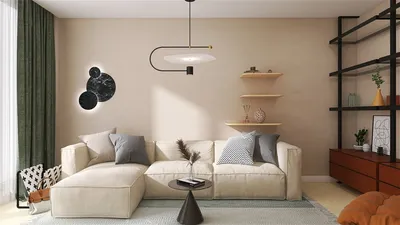


I once entered a living room where a foam dinosaur was meticulously guarding the TV remote as if it were a treasured artifact. That’s when I realized the chaos of toys cannot be ignored. To tackle the disorder, I began zoning the space into areas designated for play, display, and storage. This approach led me to create several efficient toy zones that function beautifully even in compact living rooms.
Small living spaces demand creativity; their limited footprint often inspires the most innovative solutions. Here, I share five effective strategies I apply in my projects to organize toys while ensuring your living room remains stylish rather than transforming into a storage facility.
1. Utilize vertical space: wall storage and hanging bins
When floor space is limited, look upwards. Installing slim wall-mounted shelves, pegboard baskets, and hanging mesh bins keeps toys accessible and off the flooring. This inexpensive upgrade not only enhances the aesthetics but also facilitates easy toy rotation. However, for very active children, make sure you secure everything properly to prevent mishaps.
2. Choose multifunctional furniture for toy concealment
Storage ottomans and coffee tables with lift tops are invaluable — they serve as seating primarily while discreetly hiding toys. For instance, I replaced a glass coffee table with a cushioned storage bench, instantly making the room feel cozier. Although this may require occasional rearranging, the immediate tidiness it brings is invaluable for many families.
3. Incorporate built-in seating and cubby storage
A built-in bench placed by the window, complete with cubbies underneath, offers both comfort and organized toy storage. While this option does require a slightly larger investment, it maximizes every inch of space and maintains order over time. If you aren’t ready for built-ins, affordable modular cubes with labeled bins serve a similar purpose — just be prepared to replace the cheaper options sooner than expected.
4. Define spaces with rugs and baskets
Create a designated play area with a washable rug accompanied by three baskets: one for larger toys, another for smaller items, and a third for art supplies. This setup not only teaches kids to sort their toys but also simplifies the cleanup process. While baskets are flexible and budget-friendly, it’s crucial to commit to brief daily tidying to avoid a messy look.
5. Explore low-profile solutions alongside visual planning
Maintain clean sightlines by using low-profile storage options such as under-sofa drawers, slim media consoles, or wall-mounted toy rails. Before I suggest a layout, I often create a sketch using Homestyler to help homeowners visualize the design, reducing potential surprises. These chic solutions may sometimes limit capacity, so it’s wise to combine them with a plan for toy rotation.
FAQ
Q: How can I begin organizing toys in a small living area?
A: Start by decluttering — remove any broken or outgrown toys, then sort what remains by type and how frequently they are used. Ensure that daily items are easily accessible, while less frequently used toys can be stored higher or hidden away.
Q: What type of furniture best conceals toys?
A: Storage ottomans, benches with cubbies, and coffee tables with lift-top designs are ideal, as they serve dual purposes: offering seating or surfaces while discreetly hiding toys. Versatile and stylish, they cater to various design aesthetics.
Q: Are built-in units worth the investment?
A: Built-ins are a wise long-lasting investment if you intend to stay in your home, as they optimize space and provide a seamless appearance. For renters, modular units represent a cost-effective, flexible solution.
Q: How can I make toy storage more accessible for kids?
A: Opt for low, open bins with clear labels or images to enable children to put their toys away independently. Including cleanup as part of their routine encourages them to maintain the organization system.
Q: What safety measures should I consider for toy storage?
A: Store heavier items at lower levels, anchor shelves to the wall, and avoid placing small parts within reach of toddlers. The American Academy of Pediatrics suggests that securing furniture and selecting age-appropriate storage solutions will help minimize injury risks.
Q: How can I keep my living room from resembling a daycare?
A: Employ a cohesive color scheme for storage bins and integrate toys with decor elements. Utilizing closed storage and well-curated displays preserves an adult-friendly ambiance. Additionally, rotating toys can help minimize clutter while maintaining interest.
Q: Is it possible to find stylish storage solutions on a budget?
A: Certainly! You can paint affordable shelves to match your color scheme, utilize coordinated baskets, or repurpose items like trunks or vintage crates for added character. Often, small DIY projects can yield significant visual enhancements.
Q: How often should I rotate my child's toys?
A: Changing out toys every 2 to 4 weeks keeps the experience fresh and reduces the number of toys scattered around at any one time. Label your rotation bins, and store extras out of sight to facilitate easy swaps.
Homestyler is your go-to online home design platform, perfect for transforming your ideas into reality. With an easy-to-use design tool, stunning 3D renderings, a vast collection of design projects, and helpful video tutorials, creating your dream space has never been easier!
Design Now for FREE
































