

I once had a client with a vision for a living room wall that mimicked the look of a turbulent sea, all within the confines of a 9m² apartment. To achieve this effect, we utilized layered textured paint combined with a delicate glaze. This technique provided depth without overpowering the limited space, highlighting how texture can truly shine even in the smallest of rooms. For a more tangible illustration of texture applications in compact kitchen designs, take a look at this detailed kitchen case study.
1. Subtle Sand Finish for Comfy Corners
I find that a fine sand texture works wonders in compact reading nooks because it has a matte finish that feels inviting, effectively concealing minor wall flaws while introducing tactile appeal. It's a cost-effective and DIY-friendly option when using a sand additive; however, caution is advised, as overly dark sand finishes can make a snug corner appear even smaller if used excessively.
save pin
2. Venetian Plaster Accent for Vertical Elegance
Venetian plaster is my top choice for clients wanting sophistication without intricate patterns. An individual polished plaster wall can gently reflect light and create the illusion of height in a narrow hallway; however, it does come with a higher price tag and necessitates a skilled applicator to avoid unsightly streaks.
save pin
3. Horizontal Raked Texture to Enhance Room Width
For narrow spaces, applying a horizontal raked texture in a soft, warm hue can visually widen the area. This technique requires patience to apply consistently but results in a subtle architectural enhancement that complements minimalist furnishings beautifully.
save pin
4. Layered Color Wash on Light Texture for Fun Effects
One of my favorite playful techniques involves creating a very light knockdown texture and then layering it with two tones of a color wash to create shifts that appear with movement. This adds character without overwhelming patterns; however, touch-ups can be challenging — it's wise to keep a small sample patch for future repairs. For layout ideas that combine texture with furniture arrangement, I frequently reference a 3D layout showcase.
save pin
5. Wet Room-Compatible Textures for Bathrooms
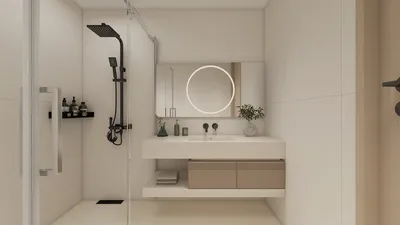
In bathrooms, textured paints should be water-resistant; options like micro-cement or specially designed textured coatings are excellent for adding depth while remaining easily wipeable. While they may cost a bit more and require proper sealing, they effectively conceal water stains better than flat paint. If you're interested in how AI-driven designs can assist in positioning wet fixtures alongside textured finishes, check out this AI interior design case.
save pin
FAQ
Q1: Is textured indoor wall paint appropriate for small spaces?
A: Absolutely — when applied judiciously. Opting for lighter colors and having a single accent wall prevents texture from dominating a small area while still adding depth and personality.
Q2: What materials are commonly used for textured paint?
A: Popular additives include sand or marble dust, knockdown mixtures, micro-cement, and Venetian plaster. Each material presents a unique appearance and varying maintenance needs.
Q3: Can textured paint be applied over existing layers?
A: In many cases, yes—provided the existing surface is clean, intact, and primed. Any rough or peeling paint must be removed to ensure proper adhesion.
Q4: How can I maintain textured walls?
A: Regularly dust with a soft brush and perform spot cleans with a damp cloth; sealed textures, like micro-cement, are generally easier to clean than unsealed plaster.
Q5: Are textured paints indoor-friendly in terms of VOCs?
A: Many contemporary textured coatings are low in VOCs, but it is always advisable to check labels and ensure good ventilation during application. As per the U.S. EPA, appropriate ventilation can help minimize exposure to indoor air pollutants during the painting process.
Q6: Will I be able to repaint textured walls a different shade later on?
A: Yes, but keep in mind the texture will still be visible, leading to slight tonal variations and requiring extra paint for even coverage.
Q7: Do textured finishes influence lighting choices?
A: Indeed. Textures will cast shadows and highlights, making softer, diffuse lighting preferable as it showcases the textures better than harsh, direct lighting.
Q8: What’s an economical tip for incorporating texture?
A: Start by adding a single accent wall using a sand additive or glaze technique; it’s a cost-effective approach compared to treating an entire room and provides significant visual impact.
What began as an Autodesk innovation has evolved into a design platform used by more than 18 million people around the globe. Homestyler combines powerful rendering, an intuitive editor, and a vast furniture library to help you turn inspiration into photorealistic designs — whether you're redesigning a single room or planning an entire home.
Looking to transform your space? Homestyler is your go-to online home design platform! With a user-friendly design tool, stunning 3D renderings, a wealth of design projects, and helpful DIY video tutorials, bringing your dream home to life has never been easier. Start designing today!
Concevez maintenant gratuitement
































