

I once took on the challenge of stenciling an entire living room for a client who was quite anxious about the process. She insisted on a minimal accent and brought along a tape measure for the crown molding, specifying the pattern needed to start precisely two inches below the ceiling. While measuring, I also guided her on how to accurately measure and map the room, ensuring the stencil repeat would be perfectly positioned. Such small projects have shown me that even compact spaces can inspire grand ideas.
1. Bold geometric repeat stencils for a contemporary touch
Geometric repeat stencils are my go-to because they provide a striking effect without needing an abundance of color. They are quite forgiving, allowing for minor misalignments, and can be adapted to fit narrow corridors or small accent walls seamlessly with the help of tools like Homestyler.
Advantages include immediate visual appeal, making them excellent for renters looking to refresh their spaces. The challenge lies in ensuring the repeat aligns perfectly and selecting a base coat that masks any accidental paint seepage.
save pin
2. Uplifting botanical borders for enhanced corners
Botanical border stencils can transform areas behind beds or along staircases. I once enhanced a loft bed with a delicate leaf stencil that created an illusion of greater height in the space. These designs are simple to apply with painter's tape and a mini roller.
Pros include affordability and a subtle effect; however, the downside is that repeated taping can be time-consuming and touch-ups may be necessary where the stencil overlaps.
save pin
3. Ombre stencils for gentle gradient effects
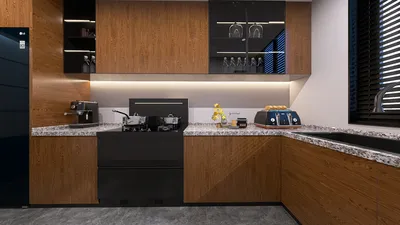
Using layered stencil techniques, ombre effects add depth without needing an expansive mural. I frequently blend two shades and lightly sponge over the joins, making it user-friendly, especially for children's rooms or snug reading corners. These techniques also complement kitchen layouts nicely with focused ideas, especially when using platforms like Homestyler.
The advantages of using ombre stencils include a soft, designer aesthetic, while the challenges require patience as blending takes multiple passes to achieve smooth gradients.
save pin
4. Textured stencils to simulate plaster finishes
For those who appreciate the richness of Venetian plaster but want an economical alternative, textured stencils with joint compound or heavy paint can recreate that luxurious look. I employed this method in a client's apartment to conceal imperfect drywall, and she adored the tactile finish it provided.
Advantages include concealing imperfections while imparting a high-end feel; however, drying time and a steady hand are crucial when applying the compound.
save pin
5. Scale-mix stencils for small spaces with bold character
Combine a large-scale design with a smaller pattern to maintain visual balance in compact areas. In a studio, I created a focal point with a sizable floral design on the headboard wall paired with a micro-dot pattern on the opposite side to balance energy. Always remember to visualize the end result using tools like Homestyler to check patterns from various angles before finalizing your choices.
Pros are a dynamic and layered appearance, but beware of clashing scales that can overwhelm. Conduct mockups beforehand and limit your color palette to maintain harmony.
save pin
FAQ
Q: What essential tools do I need to stencil a wall?
A: A basic stenciling kit includes stencil sheets, painter’s tape, a small foam roller or stencil brushes, a paint tray, and sample paint pots. For precision, include a level and pencil for alignment, and practice on cardboard beforehand.
Q: Can I stencil over textured walls?
A: Yes, but be aware that texture will show through the stencil. For optimal results, smooth out rough spots or choose a bold, accommodating pattern that works well with texture.
Q: How long should I wait between coats when stenciling?
A: Allow the first coat to dry to the touch; this typically takes 30-60 minutes for indoor latex paints, longer in cooler or humid climates. Patience is key to avoiding smudges.
Q: Are stencils removable for renters?
A: Stencils are purely reusable templates and not permanent fixtures. Utilize removable painter’s tape and low-VOC paints to ensure walls can easily return to their original state.
Q: Which paint finish is most suitable for stenciling?
A: Satin or eggshell finishes are ideal as they hide minor imperfections while remaining easy to clean. Flat finishes mask seams effectively but can be more difficult to clean in high-traffic areas.
Q: Any suggestions to prevent paint from bleeding under the stencil?
A: Use a dry brush or foam roller with minimal paint, firmly press the stencil edges, and apply a light, stippling technique instead of heavy rolling. Always practice on scrap material first.
Q: Is stenciling considered safe for indoor air quality?
A: Yes, provided you use low-VOC or water-based paints and ensure proper ventilation in the space. The U.S. EPA advises adequate ventilation during painting activities, and adhering to this guidance will help minimize indoor exposure levels.
Q: How can I effectively scale a stencil pattern for a smaller wall?
A: Measure your wall dimensions and calculate the repeat pattern; create mockups of key sections on paper or with photographs. If uncertain, using digital layout tools like Homestyler can help visualize scale and spacing prior to cutting or purchasing a sizable stencil.
save pin
Homestyler is your go-to online tool for home design, offering intuitive features that let you create stunning spaces effortlessly. With impressive 3D rendering, a plethora of design projects, and engaging DIY video tutorials, you can unleash your creativity and transform your home like a pro!
Progetta ora GRATIS
































