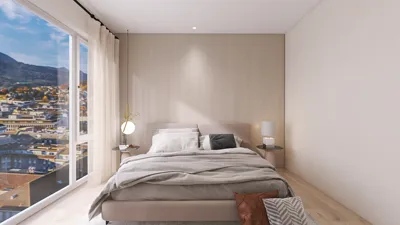


Once, in a compact rental unit, I applied spray paint to a test area and neglected to shield the thermostat — it blazed with neon orange for a week, and my client humorously claimed it made the hallway feel more inviting. That inexpensive mishap instilled in me the importance of bold choices and the value of using masking tape. I truly believe that smaller spaces foster immense creativity, and using spray wall paint is among my favorite speedy tools for making a significant impact quickly, delivering expansive visual outcomes.
In this guide, I'll share five practical inspirations for using spray wall paint that I've effectively implemented in real projects, explaining their effectiveness, potential pitfalls, and budget-friendly tips. If you're like me and enjoy sketching beforehand, I often start with makeover designs to secure the proportions before applying any spray paint.
1. Ombre Fade to Enhance a Nook
Creating a soft ombre effect from the floor to the ceiling can visually elongate a low-ceilinged nook. The gradient blurs the seam where the wall meets the ceiling, giving the impression of height — ideal for cozy reading corners or small home offices. The key is to maintain even spray passes and work from top to bottom; although the prep might take a bit longer than a flat coat, the results are dramatically transformative.
save pin
2. Textured Speckle for Added Character
A light speckle applied over a matte base introduces a tactile richness without incurring high costs. I've achieved this effect using diluted texture additives along with a fan nozzle to prevent drips. This technique conceals blemishes and hides marks in busy areas, though it may require a bit of practice first on cardboard for improved control.
save pin
3. Geometric Masks for Striking Accent Walls
By crafting simple geometric masks such as triangles or diagonal stripes and spraying them with contrasting shades, you can create a modern accent that requires minimal changes to your furniture. It's a quick and highly customizable option; the only downside is that achieving sharp edges relies heavily on precise tape application. In kitchen alcoves, this technique becomes revolutionary — I often combine the paint with layout planning, similar to my kitchen refresh ideas, to ensure the colors align with focal points.
save pin
4. Metallic Mist for a Touch of Luxury
A subtle metallic spray applied around shoulder height can add an element of luxury without being overwhelming. I tend to use it judiciously on a feature stripe or behind floating shelves; it beautifully catches light in narrow hallways. From a budgeting perspective, metallic paints may cost more per can, but you use significantly less compared to traditional metallic wallpapers, making it a balanced choice.
save pin
5. Simplifying Murals with Stencils
Large murals can be daunting for tight budgets, so I prefer using stencils with repeating motifs and lightly airbrushing to create depth. This approach offers a handcrafted appearance without the high costs associated with hiring an artist. The trade-off is the setup time needed for precise alignment, but the final result appears custom and whimsical — plus, with tools like Homestyler, you can preview how different finishes might look in your space.
save pin
FAQ
Q: Is spray wall paint suitable for small apartments?
A: Absolutely — it dries quickly, applies evenly, and can create visual tricks to make a space appear larger. Proper masking and ample ventilation are crucial to prevent overspray and fumes.
Q: What preparation is most critical?
A: Begin by cleaning the wall, filling any dents, and using high-quality painter's tape. Light sanding and a primer layer enhance adhesion and reduce the number of spray applications needed.
Q: How do I manage overspray in tight spaces?
A: Utilize lower-pressure nozzles, perform short controlled bursts, and create temporary barriers with cardboard or drop cloths; a spray shield can also help with edges.
Q: Can I spray paint over wallpaper?
A: Typically no — paint might not adhere well to textured or loose wallpaper. It's advisable to remove the wallpaper or apply a stable primer as a base before spraying.
Q: Are spray paints safe for indoor use?
A: Only with sufficient ventilation and respiratory protection rated for VOCs, along with sealing off adjacent rooms. For health considerations, consult EPA guidelines on indoor air quality and VOCs (https://www.epa.gov).
Q: How does the durability of a sprayed finish compare to rolled paint?
A: When applied correctly, sprayed finishes can be just as durable and often smoother than rolled options; durability is more dependent on paint quality and topcoats than the application technique.
Q: What budget should I allocate for a DIY spray wall project?
A: Anticipate costs for high-quality spray cans or a small HVLP sprayer, primer, drop cloths, and tape — this is usually cheaper than enlisting a professional for custom finishes, but remember to account for practice runs and masking materials.
Q: Is it easy to remove or repaint sprayed walls?
A: Yes — most sprayed finishes can be sanded and repainted similarly to standard paint. For strong metallics or textured layers, applying a primer might be necessary to prevent show-through.
Homestyler is your go-to online home design platform, perfect for anyone looking to create stunning interiors. With its user-friendly design tool, impressive 3D rendering features, and a wealth of DIY video tutorials, you can effortlessly transform your design ideas into reality. Start your creative journey today!
지금 무료로 디자인하세요
































